
How Flood Restoration Helps Homes in Satellite Beach After Plumbing Leaks
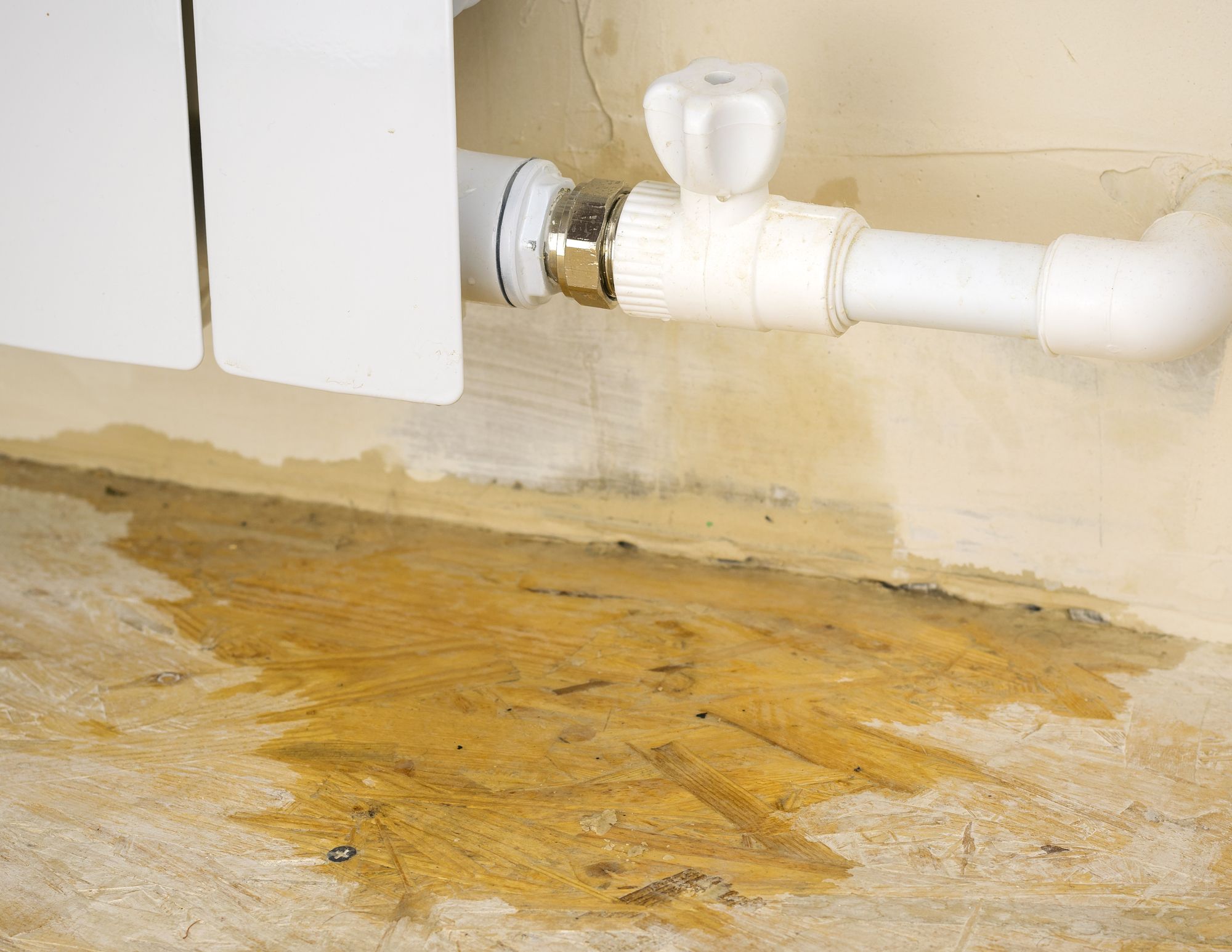
For homeowners in Satellite Beach, even minor plumbing leaks can quickly lead to significant water damage due to the region’s high humidity, coastal storms, and older construction. When water infiltrates walls, floors, or crawlspaces, it creates conditions that compromise both property integrity and indoor air quality. Flood restoration is a critical service that addresses these issues, preventing long-term structural damage, mold growth, and costly repairs.
This guide explains how flood restoration works, why it is essential after plumbing leaks, and what homeowners can do to protect their homes in Satellite Beach.
Understanding Water Damage from Plumbing Leaks
Plumbing leaks can occur in visible or hidden areas, including:
- Burst or corroded pipes
- Faulty joints or seals
- Water heaters, dishwashers, washing machines, or ice makers
- Sinks, toilets, and showers
Even slow leaks over time can saturate drywall, insulation, wood, and flooring. Moisture accumulation not only damages materials but also fosters microbial growth, including mold and bacteria, which degrade indoor air quality.
Why Flood Restoration Is Critical in Coastal Homes
Satellite Beach homes face unique challenges that make flood restoration more than just water removal:
1. High Humidity
Even without active leaks, the coastal environment keeps indoor humidity elevated, increasing the risk of mold and structural decay.
2. Salt-Laden Air
Salt in the air accelerates corrosion on metal pipes, fasteners, and HVAC components, complicating repairs and increasing long-term costs.
3. Flood-Prone Areas
Low-lying or slab foundation homes may experience pooling in crawlspaces or basements, especially after plumbing leaks combined with heavy rainfall.
4. Rapid Microbial Growth
Warm, damp conditions allow mold and bacteria to establish within 24–48 hours, highlighting the need for swift restoration.
5. Hidden Damage
Leaks behind walls, under floors, or in attics can remain undetected, leading to widespread damage that is harder to remediate without professional intervention.
Early Signs Homeowners Should Watch For
Early recognition of water damage ensures timely restoration:
- Visible Water Stains – Brown or yellow marks on walls, ceilings, or floors.
- Warping or Bubbling Materials – Wood floors, drywall, or paint showing distortion.
- Musty Odors – A strong, damp smell often indicates mold growth.
- Pooling or Damp Flooring – Water accumulation near appliances, sinks, or plumbing fixtures.
- HVAC or Duct Issues – Condensation or water accumulation in ducts.
Prompt action prevents these small issues from escalating into extensive damage.
Step-by-Step Flood Restoration Process
Professional flood restoration is a structured, comprehensive approach:
Step 1: Emergency Response
Upon discovery of a leak or water damage, immediate response is essential:
- Shut off water sources to prevent further flooding.
- Remove standing water with pumps or wet/dry vacuums.
- Begin temporary drying measures using fans or dehumidifiers.
Step 2: Water Extraction
Advanced equipment efficiently removes residual water from flooring, subflooring, and cavities. Rapid extraction limits saturation of walls, insulation, and structural components.
Step 3: Moisture Detection
Moisture meters, thermal imaging, and inspection identify hidden water behind walls, under floors, or within attics and crawlspaces. Identifying all affected areas is crucial to prevent mold growth.
Step 4: Drying and Dehumidification
Industrial-grade air movers, dehumidifiers, and heaters accelerate drying of structural elements. Continuous monitoring ensures materials reach safe moisture levels before repairs.
Step 5: Cleaning and Disinfection
Floodwater, particularly from plumbing leaks, can introduce bacteria, fungi, and other contaminants. Professionals disinfect surfaces, including floors, walls, and cabinets, to prevent microbial proliferation.
Step 6: Mold Prevention
Areas at risk for mold growth receive antimicrobial treatments. Porous materials that cannot be salvaged, such as carpet padding or insulation, are removed to eliminate spores and contaminants.
Step 7: Structural Repairs and Restoration
After drying and cleaning, reconstruction restores the home:
- Replace drywall, insulation, and flooring
- Repair baseboards, trim, or cabinets
- Restore electrical and plumbing components affected by water
- Ensure ventilation improvements to prevent future moisture accumulation
Step 8: Post-Restoration Verification
Final inspections verify moisture levels, structural integrity, and indoor air quality, ensuring the home is safe and ready for occupancy.
Benefits of Professional Flood Restoration
1. Prevents Structural Damage
Prompt restoration preserves wood framing, subflooring, and drywall from long-term degradation, avoiding costly reconstruction.
2. Reduces Mold and Bacterial Growth
Immediate water removal and disinfection prevent microbial contamination, protecting health and indoor air quality.
3. Protects HVAC Systems
HVAC components exposed to moisture can harbor mold and bacteria. Professional restoration ensures ducts, vents, and coils are cleaned and sanitized.
4. Saves Costs Long-Term
Early intervention reduces the need for extensive repairs, preventing small leaks from turning into major structural problems.
5. Enhances Indoor Air Quality
Removing excess moisture and treating affected areas improves overall air quality, making living spaces safer and more comfortable.
Common Challenges in Satellite Beach Homes
- Hidden Water Damage – Behind walls or under flooring, water can remain undetected for weeks.
- High Humidity Environment – Coastal humidity complicates drying and requires continuous monitoring.
- AC and Duct Contamination – Air systems can distribute spores if not addressed promptly.
- Storm Influence – Even minor plumbing leaks can be exacerbated by seasonal storms or high tides.
Preventive Measures Post-Restoration
After flood restoration, homeowners can implement strategies to minimize future risk:
- Regular Plumbing Inspections – Check pipes, seals, and fixtures periodically.
- Install Moisture Detectors – Sensors alert homeowners to leaks before extensive damage occurs.
- Maintain Proper Ventilation – Ensure attics, crawlspaces, and bathrooms have sufficient airflow.
- Humidity Control – Use dehumidifiers and AC settings to maintain relative humidity below 50%.
- Routine HVAC Maintenance – Clean coils, drip pans, and ducts to prevent water accumulation.
- Seal Vulnerable Areas – Repair foundation cracks, roofing issues, or window leaks to prevent water intrusion.
Proactive measures significantly reduce the likelihood of recurring water damage.
Costs Associated With Flood Restoration
Costs depend on the severity and scope of damage:
- Minor Plumbing Leak Damage – $500–$1,500
- Moderate Water Damage with Mold Prevention – $1,500–$4,000
- Extensive Flood Restoration (Multiple Rooms, HVAC Involvement) – $4,000–$10,000+
Early response reduces costs and prevents secondary damage such as mold, structural decay, and electrical hazards.
Health Considerations
Water damage from plumbing leaks can impact occupant health through:
- Mold and microbial growth causing allergic reactions
- Bacteria from contaminated water leading to infections
- Poor indoor air quality affecting respiratory health
Professional flood restoration ensures safe removal of water, contaminants, and mold prevention to maintain a healthy living environment.
Local Expertise Matters
Satellite Beach homeowners benefit from working with restoration professionals familiar with local conditions:
- Coastal humidity and storm patterns
- Common construction practices in Florida homes
- AC systems and ductwork typical to the area
- Regional best practices for water damage restoration and mold prevention
Local expertise ensures efficient, thorough restoration and tailored solutions to prevent future issues.
Conclusion
Plumbing leaks in Satellite Beach homes can quickly escalate into water damage, mold growth, and compromised indoor air quality. Professional flood restoration addresses these issues through rapid water removal, drying, disinfection, and structural restoration.
Homeowners should monitor for water stains, damp odors, warping surfaces, and HVAC irregularities. Timely intervention not only prevents structural damage but also protects health and improves indoor air quality.
By combining professional restoration with preventive measures—such as plumbing maintenance, humidity control, and improved ventilation—Satellite Beach homeowners can safeguard their homes against future water damage, mold growth, and costly repairs.