
Mold Removal in Merritt Island from Poor Ventilation: A Local Homeowner Guide
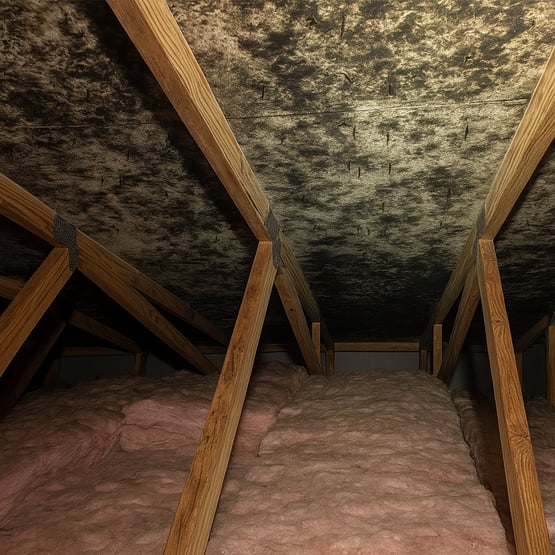
For homeowners in Merritt Island, mold growth is a persistent concern, particularly in coastal homes with poor ventilation. Florida’s humid climate, combined with enclosed spaces and older construction, creates the perfect conditions for mold to thrive. Even minor ventilation issues in attics, crawlspaces, or bathrooms can allow moisture to accumulate, resulting in mold colonization that affects indoor air quality, building materials, and homeowner comfort.
This guide provides a comprehensive, step-by-step overview of identifying, addressing, and preventing mold growth in Merritt Island homes caused by inadequate ventilation.
Understanding Mold and Its Impact
Mold is a type of fungus that reproduces via spores, which are naturally present in the environment. While outdoor spores are generally harmless, indoor mold growth can present multiple challenges:
- Property Damage – Mold can deteriorate drywall, insulation, wood framing, and ceilings.
- Poor Indoor Air Quality – Airborne spores circulate through HVAC systems, impacting health.
- Health Concerns – Exposure may aggravate allergies, asthma, or respiratory irritation.
- Hidden Growth – Mold often develops in concealed areas such as behind walls, under flooring, or inside ducts.
Mold caused by poor ventilation tends to grow in areas where moist air stagnates, highlighting the importance of airflow in preventing its spread.
Why Poor Ventilation Leads to Mold in Merritt Island Homes
Several factors in coastal Florida contribute to mold growth in poorly ventilated homes:
1. High Humidity
Humidity levels in Merritt Island regularly exceed 60%, creating moisture-rich environments. Without proper ventilation, this moisture accumulates on walls, ceilings, and in attics.
2. Enclosed Spaces
Attics, crawlspaces, and closets often lack sufficient airflow. Trapped humid air condenses on surfaces, providing the moisture mold needs to thrive.
3. AC Condensation
Air conditioning is essential in coastal homes but can create localized moisture in poorly ventilated ductwork, drip pans, or coil units.
4. Older or Improperly Designed Homes
Many homes have ventilation systems that are either outdated or insufficient, leading to uneven airflow and pockets of humidity.
5. Coastal Environmental Factors
Salt-laden air and storm exposure can increase moisture intrusion, particularly during the rainy season, further exacerbating ventilation-related mold risks.
Early Signs of Mold Caused by Poor Ventilation
Homeowners should watch for these warning signs:
1. Musty Odors
A persistent musty smell in attics, closets, bathrooms, or near HVAC vents is a strong indicator of mold growth.
2. Visible Mold or Staining
Look for black, green, or white patches on ceilings, walls, baseboards, or inside vent openings.
3. Condensation or Water Stains
Windows, walls, or duct surfaces showing condensation suggest high humidity levels and potential mold risk.
4. Health Symptoms
Increased sneezing, coughing, or respiratory discomfort indoors may indicate airborne mold spores circulating due to stagnant air.
5. HVAC System Issues
Clogged or dusty vents, unusual odors, or uneven airflow are often signs that ductwork or coils may harbor mold growth.
Common Areas of Concern in Poorly Ventilated Homes
- Attics and Crawlspaces – Often enclosed with minimal airflow, allowing heat and humidity to condense on insulation and wooden beams.
- Bathrooms and Kitchens – High moisture areas without exhaust fans or with restricted airflow can accumulate mold behind tiles or under cabinets.
- HVAC Systems and Air Ducts – Mold can colonize inside ducts, coils, and drip pans if condensation is not properly drained.
- Closets and Storage Areas – Limited ventilation and occasional moisture intrusion create ideal spots for hidden growth.
Addressing these areas during inspections is essential to prevent widespread contamination.
Why DIY Mold Removal Often Fails
While some homeowners attempt DIY mold cleaning with sprays or scrubbing, this approach is frequently inadequate:
- Hidden Mold Remains – Behind walls, inside ducts, or under insulation, mold is often unreachable without professional equipment.
- Spore Spread – Improper cleaning can release spores into living spaces, worsening indoor air quality.
- Incomplete Moisture Control – Without addressing the ventilation or underlying moisture problem, mold is likely to return.
- Health Risks – Direct contact with mold spores can irritate eyes, skin, and respiratory systems.
Professional mold removal ensures thorough cleaning, safe containment, and long-term prevention.
Professional Mold Inspection and Testing
A certified mold specialist typically follows these steps:
- Visual Inspection – Examine ceilings, walls, attics, crawlspaces, HVAC systems, and any areas showing signs of moisture.
- Moisture Detection – Use moisture meters and thermal imaging to locate hidden dampness behind walls or under flooring.
- Air and Surface Sampling – Collect samples from indoor air and surfaces to confirm mold presence and species identification.
- HVAC Evaluation – Inspect ducts, vents, and AC coils for mold contamination that could affect air quality.
Accurate assessment ensures remediation addresses the root cause and not just the visible mold.
Professional Mold Removal Process
Professional remediation typically follows these steps:
Step 1: Containment
Affected areas are sealed with plastic sheeting and negative air machines to prevent spores from spreading.
Step 2: Removal of Contaminated Materials
Porous materials such as drywall, insulation, carpet padding, and ceiling tiles are removed if heavily contaminated.
Step 3: Cleaning and Disinfection
Non-porous surfaces, ducts, and HVAC components are cleaned with HEPA vacuums and antimicrobial solutions.
Step 4: Drying
Industrial air movers and dehumidifiers eliminate residual moisture from attics, crawlspaces, and walls.
Step 5: HVAC System Cleaning
Air ducts, registers, and coils are sanitized to prevent recirculation of mold spores.
Step 6: Post-Remediation Verification
Clearance testing confirms mold levels are within safe limits before restoration or occupancy.
Step 7: Restoration
Reinstalling removed materials and repairing structural elements restores the home to its pre-contamination condition.
Preventive Measures for Coastal Homes
Long-term prevention of mold from poor ventilation includes:
- Improve Ventilation – Install exhaust fans, attic vents, and ensure HVAC systems circulate air efficiently.
- Maintain HVAC Systems – Regular cleaning, filter replacement, and condensate line checks reduce moisture accumulation.
- Control Indoor Humidity – Keep indoor humidity below 50% with dehumidifiers or proper ventilation.
- Inspect Attics and Crawlspaces – Ensure proper insulation and airflow to prevent moisture buildup.
- Prompt Leak Repair – Address roof, plumbing, or AC leaks immediately to prevent hidden moisture.
- Mold-Resistant Materials – Consider moisture-resistant drywall, paint, and insulation in high-risk areas.
Health Considerations
Exposure to mold can cause:
- Respiratory irritation and coughing
- Allergic reactions, asthma flare-ups
- Eye or skin irritation
- Fatigue and headaches
Professional mold removal and ventilation improvements restore safe indoor air quality and reduce long-term health risks.
Costs of Mold Remediation in Merritt Island
Costs depend on size, severity, and materials affected:
- Small Areas (10–25 sq. ft.) – $500–$1,500
- Medium Areas (25–100 sq. ft.) – $1,500–$4,000
- Extensive Contamination (entire rooms or HVAC system) – $4,000–$10,000+
Early detection and proactive ventilation upgrades reduce overall expenses and prevent recurring mold growth.
Local Expertise Matters
Merritt Island homeowners benefit from working with local professionals familiar with:
- Coastal humidity and storm patterns
- Florida construction practices
- Common HVAC and AC system designs
- Regional standards for mold removal and indoor air quality
Expert knowledge ensures targeted inspection, effective remediation, and guidance for long-term prevention tailored to coastal homes.
Conclusion
Mold caused by poor ventilation is a common and serious issue in Merritt Island coastal homes. High humidity, AC condensation, enclosed spaces, and aging construction materials create ideal conditions for mold growth.
Homeowners should watch for musty odors, visible growth, water stains, warped surfaces, and HVAC irregularities. Professional inspection and remediation involve containment, material removal, cleaning, drying, HVAC treatment, and post-remediation verification.
Long-term prevention relies on improved ventilation, humidity control, regular HVAC maintenance, and moisture-resistant materials. By addressing mold early and implementing preventive strategies, Merritt Island homeowners can protect indoor air quality, safeguard property value, and ensure a safe, healthy living environment.