
What Homeowners Should Know: Mold Removal in Viera Coastal Homes
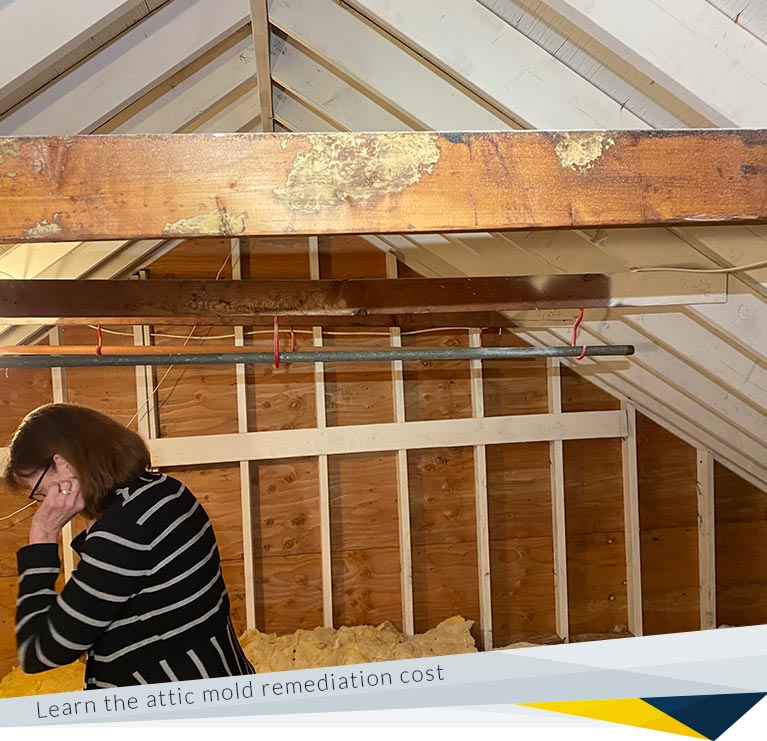
For homeowners in Viera, living near the coast offers scenic views, recreational opportunities, and warm breezes—but it also comes with unique maintenance challenges. High humidity, salt-laden air, and frequent storms create ideal conditions for mold growth in homes. Mold is more than just an aesthetic concern; it can compromise indoor air quality, damage structural materials, and pose health risks if left unaddressed.
Understanding the causes, early signs, and proper mold removal procedures is critical for protecting both property and family. This guide provides a comprehensive look at mold remediation in coastal Viera homes, offering practical advice on prevention, detection, and professional solutions.
Why Coastal Homes Are Vulnerable to Mold
Mold thrives in warm, damp environments, making Florida’s coastal homes particularly susceptible. Several factors contribute to this increased risk:
1. High Humidity
Viera experiences high year-round humidity, which allows moisture to accumulate inside walls, attics, crawl spaces, and HVAC systems. Even small water leaks can lead to mold colonization.
2. Salt Air Exposure
Salt in the atmosphere can accelerate material corrosion and create microenvironments that trap moisture in construction materials. Over time, this fosters mold growth on wood, drywall, and ceiling tiles.
3. Heavy Rainfall and Storms
Tropical storms, hurricanes, and heavy seasonal rains can introduce water through roof leaks, windows, and foundation seepage. Flooded or damp areas provide an ideal breeding ground for mold spores.
4. Air Conditioning and HVAC Systems
AC units are essential in Viera homes but can inadvertently create moisture accumulation. Condensation in drain pans, ducts, or coil units may lead to hidden mold if not regularly inspected and maintained.
5. Aging Construction Materials
Older insulation, vapor barriers, or poorly sealed materials can retain moisture, creating conditions for mold growth behind walls, under flooring, or in attics.
Common Causes of Mold in Viera Homes
Understanding the root causes of mold is essential to preventing recurrence after removal:
- Roof Leaks and Flashing Failures – Damaged shingles or flashing allow water into ceilings and attics.
- Plumbing Leaks – Burst pipes, faulty seals, or condensation can saturate floors, walls, or cabinets.
- Flooding or Stormwater Intrusion – Coastal storms increase moisture exposure in basements, crawlspaces, and ground-level areas.
- Poor Ventilation – Enclosed attics, crawlspaces, or bathrooms without proper airflow trap humidity.
- HVAC Condensation – Air conditioning units and ductwork can accumulate water, promoting mold growth inside vents or on coils.
These conditions, combined with Florida’s warm climate, make proactive detection and maintenance critical.
Early Signs of Mold Homeowners Should Watch For
Recognizing early indicators of mold can prevent larger problems and reduce remediation costs. Common warning signs include:
1. Musty Odors
A persistent, damp, or earthy smell, especially when AC units run, often indicates hidden mold behind walls or inside ducts.
2. Visible Mold Growth
Look for black, green, or white patches on:
- Walls and ceilings
- Baseboards and window sills
- Attic insulation or crawlspace flooring
- HVAC ducts and vent registers
3. Water Stains or Discoloration
Yellow, brown, or gray streaks on walls, ceilings, or floors suggest water intrusion that may foster mold growth.
4. Bubbling or Warping Surfaces
Moisture-laden drywall, paint, or wood can warp, bubble, or peel, signaling underlying mold issues.
5. Health Symptoms
Increased sneezing, coughing, congestion, or eye irritation in household members may indicate exposure to airborne mold spores.
6. Recurring AC or Duct Issues
Clogged condensate lines, visible duct dust accumulation, or damp air supply points often coincide with mold growth.
Why DIY Mold Removal Often Fails
Homeowners may attempt to clean mold themselves using bleach, sprays, or scrubbing, but this approach is frequently ineffective:
- Hidden Mold Remains – Mold often grows in concealed spaces like behind drywall, inside ducts, or within insulation.
- Spore Spread – Improper cleaning can release spores into living areas, worsening contamination.
- Health Risks – Direct contact with mold or inhalation of spores can cause irritation or respiratory problems.
- Temporary Solutions – Without addressing moisture sources, mold will return even after cleaning.
Professional remediation ensures thorough removal, safety, and long-term prevention.
The Professional Mold Removal Process
Professional mold remediation follows a structured, step-by-step approach:
Step 1: Inspection and Assessment
Technicians visually inspect walls, ceilings, ducts, and attics. Moisture meters and thermal imaging detect hidden damp areas. Proper assessment identifies both visible and concealed mold.
Step 2: Containment
Plastic barriers and negative air machines prevent spores from spreading to unaffected areas of the home. This is especially important in occupied spaces.
Step 3: Removal of Contaminated Materials
Porous materials such as drywall, insulation, ceiling tiles, and carpet padding that are heavily contaminated are removed and safely disposed of.
Step 4: Cleaning Non-Porous Surfaces
Walls, floors, metal ductwork, and other non-porous surfaces are cleaned with HEPA vacuums and antimicrobial solutions to remove remaining spores and debris.
Step 5: Drying and Dehumidification
Industrial air movers and dehumidifiers remove residual moisture from structural cavities, walls, and flooring to prevent mold regrowth.
Step 6: HVAC Cleaning
Air ducts, vents, and AC units are cleaned to remove spores that could circulate throughout the home. Filters may be replaced and systems sanitized to restore healthy airflow.
Step 7: Post-Remediation Verification
Clearance testing ensures mold levels are reduced to safe, background levels before reconstruction or reoccupation.
Step 8: Restoration
After remediation, removed materials are replaced, and cosmetic repairs restore the home to pre-damage condition.
Costs of Mold Removal in Coastal Viera Homes
Mold remediation costs vary based on size, severity, and affected materials:
- Small Areas (10–25 sq. ft.) – $500–$1,500
- Medium Areas (25–100 sq. ft.) – $1,500–$4,000
- Extensive Contamination (entire rooms or multiple areas) – $4,000–$10,000+
Factors influencing costs include mold type, moisture source, accessibility, and the need for HVAC cleaning or structural repairs. Early detection significantly reduces expenses.
Preventive Measures for Coastal Homeowners
After remediation, homeowners should implement measures to reduce future mold growth:
- Control Indoor Humidity – Use dehumidifiers and maintain relative humidity between 30–50%.
- Improve Ventilation – Ensure attics, crawlspaces, and bathrooms are properly ventilated.
- Inspect AC and HVAC Systems – Regular maintenance, coil cleaning, and condensate line flushing prevent moisture buildup.
- Seal Roof and Plumbing Leaks – Prevent water intrusion from storms or plumbing failures.
- Monitor Attics and Crawlspaces – Address water intrusion promptly and maintain dry conditions.
- Use Mold-Resistant Materials – Consider moisture-resistant drywall or insulation in high-risk areas.
Health Considerations
Mold exposure can cause respiratory issues, allergic reactions, and irritation for sensitive individuals. Professional removal ensures spores are safely contained and eliminated, reducing the risk of health problems and improving indoor air quality.
Local Expertise Matters
Viera homeowners benefit from working with local professionals who understand coastal climate impacts, storm patterns, high humidity, and regional construction practices. Experienced local companies, such as Palm Bay Mold Removal, provide tailored inspection, remediation, and preventive solutions specific to Viera’s environmental conditions.
Conclusion
Mold in coastal Viera homes is a serious concern, but early recognition and professional intervention can prevent extensive damage, costly repairs, and health issues. Musty odors, visible growth, water stains, and HVAC-related problems are early warning signs that homeowners should not ignore.
Professional mold remediation follows a thorough process of inspection, containment, removal, cleaning, drying, HVAC treatment, and verification. Preventive measures—including humidity control, ventilation, and regular AC maintenance—reduce future risk.
By staying vigilant and addressing mold promptly, Viera homeowners can maintain healthy indoor environments, protect property value, and ensure long-term comfort and safety in their coastal homes.