
Early Signs You Should Not Ignore: Air Duct Cleaning in West Melbourne Coastal Homes
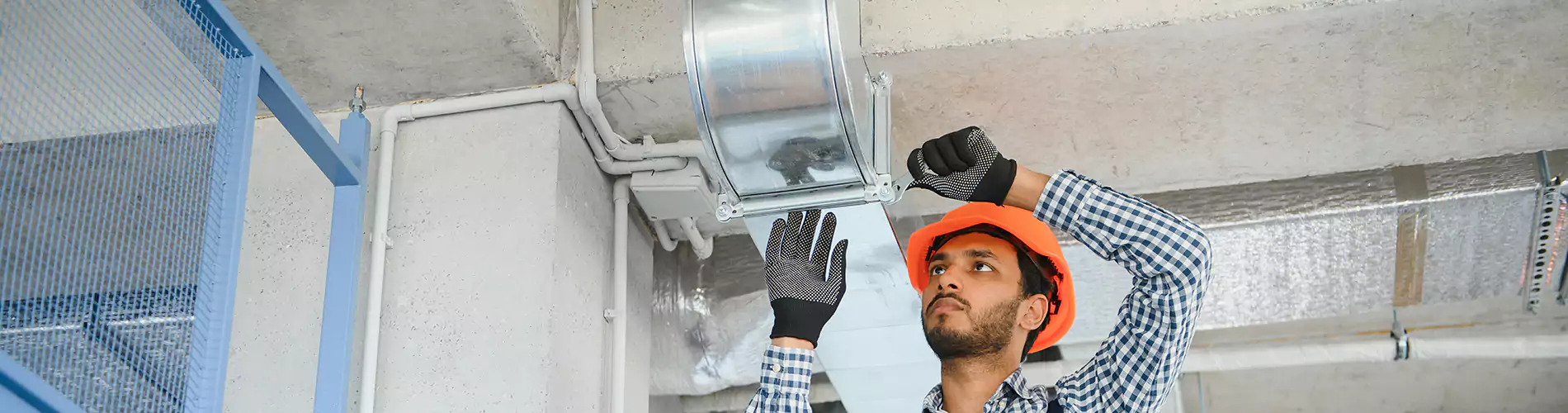
For homeowners in West Melbourne, coastal living brings beautiful views and ocean breezes—but it also comes with unique maintenance challenges. One area often overlooked until it causes problems is air duct cleanliness. Coastal humidity, salt air, and frequent AC use can allow dust, debris, and mold to accumulate inside HVAC systems. When left unchecked, dirty air ducts can reduce system efficiency, degrade indoor air quality, and contribute to long-term health issues.
Recognizing the early warning signs that indicate a need for air duct cleaning is critical for maintaining a safe, comfortable home environment. This guide provides an in-depth look at why air ducts in West Melbourne’s coastal homes require attention, common causes of contamination, early indicators, and effective cleaning strategies.
Why Coastal Homes Are Prone to Air Duct Contamination
Several environmental and structural factors make West Melbourne’s coastal homes more susceptible to air duct issues:
1. High Humidity
Coastal Florida homes experience consistently high humidity. Moisture in the air can condense inside air ducts, especially in uninsulated or poorly ventilated systems. This creates an ideal environment for mold and bacterial growth.
2. Salt-Laden Air
Salt in the atmosphere can accelerate corrosion in metal ductwork. Rust and deterioration can create rough surfaces where dust and debris accumulate more quickly.
3. Frequent AC Usage
Year-round cooling means the HVAC system runs nearly continuously. Airborne particles, dust, and pollen are circulated through ducts, gradually building up on interior surfaces.
4. Aging Ductwork and Poor Maintenance
Older homes may have ductwork with gaps, leaks, or poorly sealed joints, allowing contaminants to enter and accumulate. Deferred maintenance worsens these issues over time.
5. Coastal Construction and Ventilation
Homes built near the coast often rely on centralized HVAC systems in enclosed spaces like attics and crawlspaces. Limited ventilation in these areas can trap dust and moisture, feeding mold growth in ducts.
Early Signs Homeowners Should Not Ignore
Recognizing these warning signs early can prevent larger, more costly problems:
1. Musty or Moldy Odors
Persistent odors coming from vents often indicate mold or microbial growth inside the duct system. Musty smells may intensify when the AC runs.
2. Visible Dust or Debris
Dust or particles blowing from vents, especially after cleaning the home, suggest the duct interiors are contaminated.
3. Reduced Airflow
Clogged or heavily contaminated ducts restrict airflow, causing uneven cooling, increased energy bills, and strain on HVAC components.
4. Increased Allergy or Respiratory Symptoms
Sneezing, coughing, congestion, or eye irritation that worsens indoors may indicate airborne dust, mold spores, or microbial contaminants circulating through ducts.
5. Water Stains or Condensation Evidence
Moisture accumulation in ducts, often from AC condensation or high humidity, can lead to rust, corrosion, and mold growth.
6. Noisy HVAC Operation
Excess debris inside ducts may create whistling, rattling, or vibration noises as air passes through the system.
7. Recurring Cleaning Needs
If your home requires more frequent dusting or cleaning despite regular housekeeping, the ductwork may be circulating dirt and allergens.
Common Causes of Air Duct Contamination in West Melbourne
Understanding the sources of contamination helps homeowners address the root problems rather than only symptoms:
- Mold from Moisture Accumulation – AC condensation, roof leaks, or high humidity promotes fungal growth.
- Dust and Debris – Accumulates over years of operation, especially in systems without high-quality filters.
- Pollen and Coastal Particles – Salt spray, pollen, and fine dust can enter ducts through poorly sealed intake vents.
- Rodent or Insect Activity – Pests sometimes leave debris and droppings in attic or crawlspace duct sections.
- Neglected Filters and Maintenance – Dirty filters allow particles to bypass the system and coat duct surfaces.
Addressing these causes often involves a combination of cleaning, repair, and ongoing preventive maintenance.
Why DIY Duct Cleaning Often Fails
Homeowners may attempt DIY duct cleaning using vacuum attachments or air compressors, but this approach is usually ineffective.
- DIY methods rarely reach the full length of ductwork or remove contaminants embedded in coil surfaces.
- Without proper containment, dust and mold spores can spread throughout the home during cleaning.
- Professional cleaning uses HEPA vacuums, specialized brushes, and air pressure equipment to remove deeply embedded debris and microbial growth.
Professional service ensures complete cleaning, minimizes contamination, and addresses hidden problems.
The Professional Air Duct Cleaning Process
A certified duct cleaning service typically follows these steps:
Step 1: Inspection
Technicians visually inspect ducts, registers, and air handlers. Moisture meters and sometimes infrared imaging are used to detect damp areas or hidden mold.
Step 2: Containment
Affected areas may be isolated with plastic sheeting to prevent spores or dust from spreading during cleaning.
Step 3: Debris Removal
HEPA-filtered vacuums remove dust, pollen, and microbial particles from duct surfaces. Rotating brushes and compressed air help dislodge stubborn buildup.
Step 4: Coil and Air Handler Cleaning
Indoor coil units, condensate pans, and filters are cleaned to prevent microbial regrowth and improve system efficiency.
Step 5: Post-Cleaning Inspection
Technicians confirm that ducts are clean and free of mold, dust, or other debris.
Step 6: Preventive Recommendations
Recommendations may include upgraded filtration, improved ventilation, humidity control, and periodic inspections to prevent future buildup.
Costs of Air Duct Cleaning in Coastal West Melbourne Homes
Costs vary based on home size, duct length, and contamination level:
- Small Homes (1–2 vents) – $250–$500
- Medium Homes (3–6 vents, standard HVAC system) – $500–$1,200
- Large or Multi-Level Homes – $1,200–$2,500+
Additional costs may arise if mold remediation or duct repair is required. Early detection and cleaning often reduce long-term expenses by preventing extensive mold growth or system damage.
Preventive Measures for Coastal Homeowners
Maintaining clean ducts and preventing contamination involves:
- Regular HVAC Maintenance – Annual inspections and servicing reduce dust accumulation and prevent leaks.
- High-Quality Air Filters – Replace filters according to manufacturer recommendations; consider MERV 8–13 filters.
- Monitor Indoor Humidity – Keep humidity below 50% with dehumidifiers or ventilation improvements.
- Inspect Attics and Crawl Spaces – Ensure proper ventilation and dry conditions to prevent moisture entering ducts.
- Seal Leaks and Insulate Ductwork – Properly sealed ducts prevent infiltration of dust, salt, and humidity.
- Prompt Cleaning After Water Events – Any AC leaks or minor flooding should trigger immediate inspection and potential cleaning.
Combining these measures with professional cleaning ensures long-term air quality and system efficiency.
Health Considerations
Dirty or moldy ducts can affect indoor air quality and pose health risks:
- Allergic reactions or asthma triggers
- Respiratory irritation and sinus issues
- Circulation of spores and dust into living spaces
Professional cleaning restores a safe, healthy indoor environment for families, especially in coastal climates where humidity and mold risk are higher.
Local Expertise Matters
West Melbourne homeowners benefit from working with local HVAC and mold specialists. Coastal climate patterns, high humidity, and local building styles influence how ducts accumulate dust and mold. Professionals familiar with regional conditions provide effective cleaning, moisture mitigation, and tailored maintenance advice.
Conclusion
Air duct cleaning is often overlooked until problems become severe, but early recognition of warning signs can prevent costly repairs and health issues. Musty odors, visible dust, reduced airflow, and recurring cleaning needs indicate that professional inspection and cleaning may be necessary.
Professional duct cleaning, combined with preventive measures like regular maintenance, humidity control, and filter upgrades, ensures efficient HVAC performance, improved indoor air quality, and a safer living environment. For coastal homes in West Melbourne, staying vigilant about duct health is a key part of responsible homeownership and long-term property protection.