
Mold Testing in Merritt Island After Flooding: Costs, Causes, and Solutions
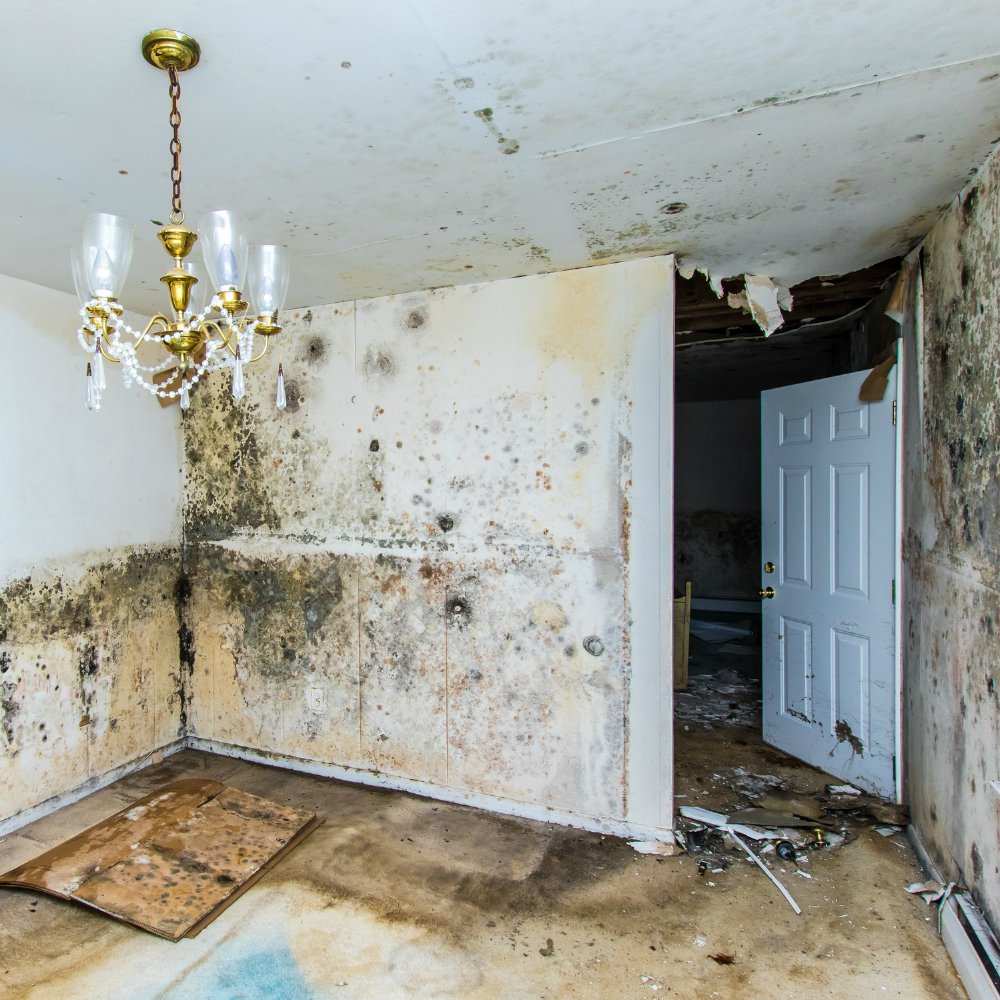
Flooding is a frequent concern for homeowners in Merritt Island due to its coastal location, low-lying terrain, and proximity to waterways. Beyond immediate water damage, floods create a hidden but serious problem: mold growth. Mold can develop quickly in wet and humid environments, often within 24–48 hours after water intrusion. For property owners, mold testing is a critical step in assessing contamination, preventing long-term damage, and ensuring healthy indoor air quality.
This comprehensive guide explores the causes of mold after flooding, early warning signs, the mold testing process, potential costs, and solutions for remediation. The insights are geared toward homeowners, landlords, and property managers who want to protect their Merritt Island homes and investments.
Understanding Mold Growth After Flooding
Mold is a naturally occurring fungus that thrives in damp, warm, and poorly ventilated environments. After a flood, building materials such as drywall, carpet, insulation, and wood framing retain moisture, creating an ideal environment for mold spores to proliferate.
Mold spores are microscopic and present in both indoor and outdoor air. Flooding increases spore concentration and provides the perfect conditions for growth:
- High moisture content in walls, floors, and ceilings
- Stagnant air due to limited ventilation
- Organic materials such as wood, paper, and fabric as food sources
Even if water recedes quickly, residual moisture in hidden cavities can allow mold to take hold, often out of sight. Testing identifies the extent of contamination and helps guide targeted remediation.
Common Causes of Mold After Flooding in Merritt Island Homes
1. Stormwater Intrusion
Merritt Island frequently experiences storms and hurricanes. Water entering through windows, doors, or damaged roofs can saturate walls and floors, introducing mold risks.
2. Plumbing Failures
Burst pipes, backed-up drains, or faulty water heaters can contribute to significant indoor flooding.
3. Poor Drainage Around Foundations
Standing water near slab foundations or crawl spaces increases the likelihood of moisture seepage into the home’s structure.
4. Delayed Water Removal
Even minor delays in extracting water after a flood allow mold to begin developing in hidden areas.
5. High Humidity and Coastal Climate
Persistent humidity accelerates moisture absorption into building materials, creating ideal conditions for mold colonization.
Early Signs of Mold Growth After Flooding
Recognizing early signs can prevent widespread contamination:
- Musty Odors: Often the first indicator of hidden mold.
- Visible Mold: Black, green, or white spots on walls, ceilings, and floors.
- Discoloration: Yellow or brown water stains where moisture accumulated.
- Warped or Bubbling Surfaces: Drywall, flooring, or cabinetry that buckles due to moisture.
- Health Symptoms: Sneezing, coughing, or eye irritation may indicate mold spores circulating indoors.
Even if no visible signs are present, testing is essential after any significant flood exposure, because mold often develops in concealed cavities or behind walls.
The Importance of Professional Mold Testing
Professional mold testing provides a clear understanding of contamination and guides effective remediation:
Benefits of Testing
- Identifies Hidden Growth: Detects mold inside walls, ceilings, and HVAC systems.
- Determines Mold Species: Some species, like Stachybotrys chartarum (black mold), require stricter containment.
- Quantifies Spore Levels: Helps differentiate between normal background spores and elevated indoor concentrations.
- Supports Insurance Claims: Documentation can assist with flood damage claims.
- Guides Targeted Remediation: Reduces unnecessary demolition by focusing on affected areas.
Homeowners who skip testing may only treat visible mold, leaving hidden colonies behind that will return.
How Mold Testing Is Performed
Mold testing involves several steps using specialized equipment:
1. Visual Inspection
Technicians look for water stains, discoloration, sagging materials, and visible mold growth.
2. Moisture Assessment
Moisture meters and thermal imaging cameras detect damp areas in walls, flooring, and ceilings.
3. Sample Collection
- Air Sampling: Measures airborne mold spores and compares indoor levels to outdoor baselines.
- Surface Sampling: Swabs or tape lift samples from walls, floors, or HVAC components to identify mold types.
- Bulk Material Sampling: In some cases, sections of drywall or insulation are collected for laboratory analysis.
4. Laboratory Analysis
Samples are sent to accredited labs to determine species and spore concentration. This provides objective data for remediation planning.
5. Interpretation and Reporting
Technicians provide a clear report detailing findings, affected areas, and recommended actions.
Costs of Mold Testing After Flooding
Mold testing costs in Merritt Island vary based on the size of the home, number of samples, and complexity of the flood damage:
- Small Homes (1–2 samples): $200–$400
- Medium Homes (3–5 samples): $400–$700
- Large Homes or Commercial Properties: $700–$1,200+
Additional costs may apply if extensive laboratory analysis or specialized testing (such as HVAC sampling) is required. Testing is an investment that can prevent far higher remediation expenses later.
Solutions for Mold Remediation After Flooding
Once mold is identified, remediation should follow professional protocols:
Step 1: Containment
Affected areas are sealed with plastic barriers and negative air machines to prevent spore spread.
Step 2: Removal of Contaminated Materials
Porous materials such as drywall, insulation, carpet padding, and ceiling tiles may need to be removed and replaced.
Step 3: Cleaning Non-Porous Surfaces
Walls, floors, and ducts are cleaned with HEPA vacuums and antimicrobial solutions.
Step 4: Drying and Dehumidification
Industrial-grade air movers and dehumidifiers reduce residual moisture, preventing regrowth.
Step 5: HVAC Cleaning
Ductwork, air handlers, and filters are cleaned to ensure indoor air quality is restored.
Step 6: Post-Remediation Verification
Clearance testing confirms that mold levels have returned to safe conditions.
Preventing Future Mold Problems
After remediation, homeowners should implement preventive measures:
- Maintain Proper Ventilation: Ensure attics, crawl spaces, and bathrooms are adequately ventilated.
- Use Dehumidifiers: Keep indoor humidity below 50%.
- Inspect and Maintain Roofs and Gutters: Prevent water intrusion from storms.
- Promptly Remove Floodwater: Extract water within 24 hours whenever possible.
- Schedule Regular HVAC Maintenance: Prevent condensation and mold growth inside air handlers and ducts.
Local Expertise in Merritt Island
Merritt Island’s coastal homes face specific challenges:
- Frequent flooding due to storms and tidal influence
- High humidity that accelerates mold growth
- Coastal construction practices that can trap moisture
Local professionals, such as Palm Bay Mold Removal, combine knowledge of regional climate, home construction, and moisture behavior to provide accurate testing and effective remediation strategies.
Conclusion
Flooding poses more than immediate water damage for Merritt Island homeowners — it sets the stage for hidden mold growth that can threaten health, indoor air quality, and property integrity. Early detection through professional mold testing allows property owners to identify affected areas, determine mold species, and implement targeted remediation before the problem escalates.
Costs vary depending on home size, sampling requirements, and flood severity, but investing in testing and preventive solutions is far more cost-effective than addressing widespread mold damage later. By combining professional testing, timely remediation, and proactive moisture management, Merritt Island property owners can protect their homes and families while maintaining a healthy, safe indoor environment.