
Rockledge AC Mold Cleaning from Poor Ventilation: Early Signs You Should Not Ignore
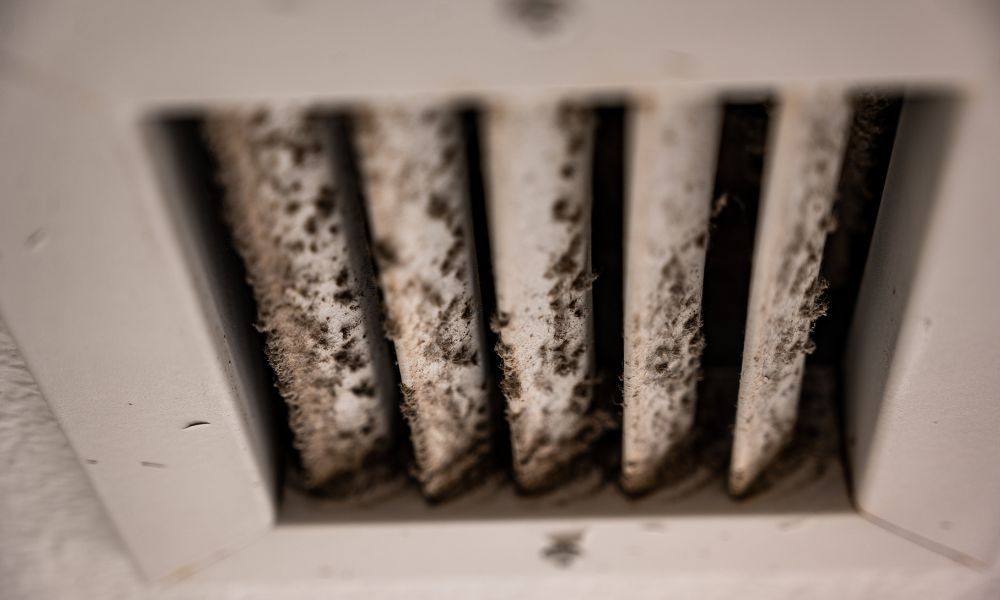
In Rockledge, homeowners rely on air conditioning almost year-round due to the warm, humid climate. While AC systems provide essential comfort, poor ventilation or neglected maintenance can create the perfect environment for mold growth. AC mold is not only unsightly but can compromise indoor air quality, damage ductwork, and pose health risks if left unaddressed.
Recognizing early signs of AC mold is essential. Acting promptly helps prevent costly remediation, protects the home’s structural integrity, and maintains healthy indoor air. This guide explores common causes, warning signs, and professional cleaning approaches tailored to Rockledge homes.
Why AC Mold Develops in Rockledge Homes
Air conditioning systems can inadvertently contribute to mold growth when moisture and ventilation issues coincide. Several factors specific to Rockledge and the Florida region increase this risk:
1. High Humidity Levels
Humidity often remains elevated above 60% in Rockledge homes. Excess moisture condenses on AC coils, within ductwork, or in poorly ventilated attic spaces, creating an ideal breeding ground for mold.
2. Poor Ventilation
Insufficient airflow through ductwork or inadequately ventilated spaces traps humid air. Stagnant moisture accumulates, especially near supply vents and in ceilings.
3. AC Condensation Issues
Drain pans, condensate lines, or coil issues can lead to water pooling. Unchecked moisture often seeps into insulation or sheetrock, promoting hidden mold growth.
4. Aging Ductwork
Older HVAC systems may have insulated ducts that trap moisture or deteriorate internally, creating additional mold-prone areas.
5. Coastal Environment
Rockledge’s proximity to the Indian River Lagoon introduces salt-laden, humid air that accelerates corrosion in metal components and increases condensation risk.
Early Signs of AC Mold That Should Not Be Ignored
Identifying mold growth in AC systems early prevents escalation into more severe damage. Homeowners should monitor for the following:
1. Musty Odors
Persistent, damp, or musty smells near vents or registers often indicate mold inside ducts or on coil surfaces.
2. Visible Mold Growth
- Around supply or return vents
- On ceiling diffusers
- Near condensate lines or pans
- Inside attic-mounted air handlers
Even small patches suggest moisture problems that may extend deeper into the HVAC system.
3. Increased Allergy Symptoms
Sneezing, coughing, watery eyes, or nasal congestion that worsens indoors can signal mold spores circulating through the AC system.
4. Water Stains or Condensation Buildup
Visible water on ceiling surfaces, ducts, or near registers can point to ongoing moisture accumulation feeding mold growth.
5. Reduced Airflow or AC Efficiency
Blocked coils, mold accumulation, and clogged condensate lines can restrict airflow, leading to uneven cooling and higher energy bills.
Common Causes Behind AC Mold in Rockledge Homes
Understanding the root causes helps homeowners and technicians address the problem effectively:
- Clogged Condensate Lines – algae, dirt, and debris block drainage, causing water to back up.
- Dirty or Clogged Coils – restrict airflow and retain moisture on surfaces.
- Leaky or Poorly Insulated Ducts – condensation forms where cold air contacts warm, humid attic air.
- Improper Ventilation in Attics or Crawl Spaces – trapped moisture accelerates mold development.
- Deferred HVAC Maintenance – skipped inspections or filter changes allow moisture to accumulate unchecked.
Each factor contributes to conditions favorable for mold growth, often in hard-to-reach areas where it spreads unnoticed.
Risks of Ignoring AC Mold
Neglecting early signs can lead to:
- Structural Damage – moisture can degrade drywall, insulation, and wooden supports.
- Health Issues – mold spores circulating indoors may trigger respiratory problems or allergies.
- Higher Remediation Costs – extensive contamination requires more labor, materials, and time.
- System Inefficiency – mold buildup reduces HVAC performance and increases energy consumption.
- Recurring Mold – without addressing moisture sources, mold will return even after superficial cleaning.
Early recognition and prompt professional intervention are critical to preventing long-term issues.
Professional AC Mold Cleaning Process
Professional mold remediation focuses on removing contamination safely and preventing recurrence. Here’s what homeowners can expect:
Step 1: Inspection and Assessment
- Technicians inspect ductwork, air handlers, coils, and surrounding areas.
- Moisture meters, thermal imaging, and visual inspections identify damp areas and hidden mold.
- Proper assessment determines the extent of remediation needed.
Step 2: Containment
- Affected areas may be isolated using plastic sheeting.
- Negative air pressure systems prevent spores from spreading into living spaces.
- HEPA air filtration captures airborne mold during cleaning.
Step 3: Removal and Cleaning
- Non-porous surfaces are scrubbed with antimicrobial solutions.
- HEPA vacuums remove spores from duct interiors and surrounding materials.
- Porous materials heavily contaminated with mold may require replacement.
Step 4: Drying and Dehumidification
- Air movers and dehumidifiers ensure complete drying of ducts, air handlers, and surrounding structures.
- Reduces moisture that could allow mold regrowth.
Step 5: HVAC Maintenance
- Coils are cleaned, condensate lines flushed, and filters replaced.
- Ductwork may be sealed or insulated to prevent future condensation.
- In some cases, UV light systems or upgraded filtration are installed to maintain air quality.
Step 6: Post-Remediation Verification
- Technicians perform clearance testing or visual confirmation to ensure mold levels are safe.
- Homeowners receive guidance on ongoing monitoring and maintenance.
Costs of AC Mold Cleaning in Rockledge
The cost of remediation varies depending on the extent of contamination and affected areas:
- Small-scale duct cleaning – typically $300–$800.
- Moderate mold removal in air handlers and limited duct sections – $800–$2,000.
- Extensive contamination affecting multiple ducts, coils, and structural components – $2,000–$5,000 or more.
Early detection often reduces labor and material costs while limiting the impact on indoor air quality and property value.
Preventive Measures for AC Mold in Rockledge Homes
Maintaining the HVAC system and controlling indoor moisture are the best ways to prevent mold:
- Schedule Regular HVAC Maintenance – annual inspections ensure condensate lines and coils are clear.
- Monitor Indoor Humidity – use dehumidifiers or ventilation to keep humidity below 50%.
- Ensure Proper Ventilation in Attics and Crawl Spaces – reduces trapped moisture around ducts.
- Replace Air Filters Regularly – prevents airflow restrictions and reduces dust accumulation.
- Inspect AC Drain Pans and Lines – check for standing water and clean as needed.
- Upgrade Insulation or Seal Leaky Ducts – minimizes condensation points and protects against future mold.
Proactive measures reduce the likelihood of mold growth and minimize future remediation costs.
Health and Safety Considerations
Mold in AC systems can negatively affect indoor air quality:
- Respiratory irritation or allergy symptoms
- Aggravation of asthma or chronic conditions
- Long-term exposure risks in sensitive individuals
Professional remediation ensures spores are removed safely and the indoor environment is restored to healthy conditions.
Local Expertise Matters
Rockledge homeowners benefit from working with professionals familiar with local climate challenges:
- High humidity and coastal weather patterns
- Common construction and HVAC designs in the area
- Frequent storm and rain exposure
- Local building codes and remediation standards
Local experts provide targeted solutions, combining mold remediation, AC maintenance, and moisture control tailored to the Rockledge environment.
Conclusion
AC mold caused by poor ventilation is a common but often overlooked issue in Rockledge homes. Early signs such as musty odors, visible mold, condensation, and unexplained allergy symptoms should never be ignored. Prompt detection and professional cleaning prevent extensive structural damage, protect health, and maintain indoor air quality.
Professional AC mold remediation follows a systematic process, including inspection, containment, cleaning, drying, and post-remediation verification. Combined with preventive maintenance — regular HVAC servicing, humidity control, and duct inspections — these measures ensure Rockledge homeowners enjoy safe, healthy, and comfortable indoor environments year-round.
Recognizing the early signs and acting quickly is the key to protecting both your home and family from the costly consequences of AC-related mold.