
Merritt Island Mold Remediation from AC Condensation: Costs, Causes, and Solutions
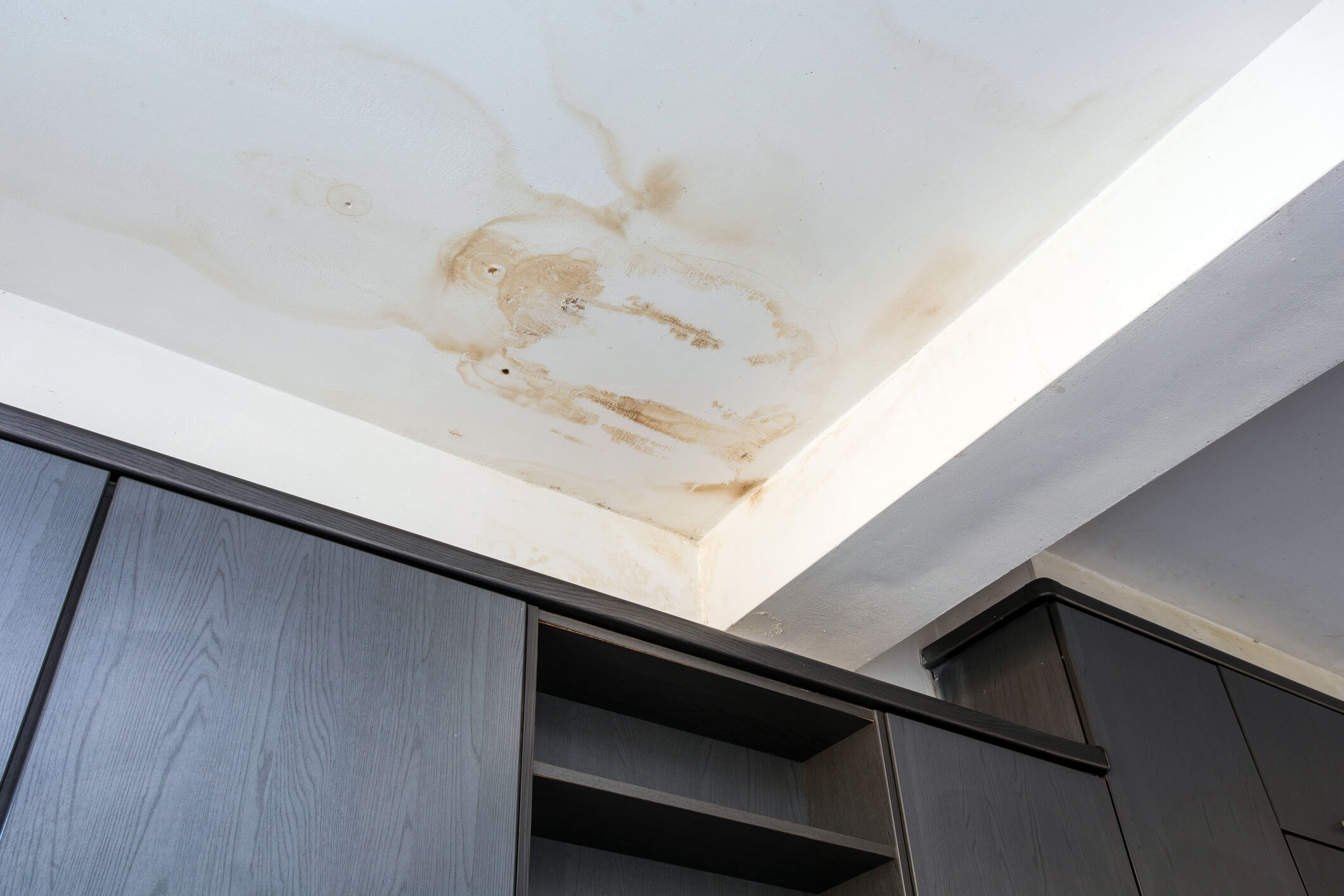
In Merritt Island, residential and commercial properties face a unique combination of humidity, heat, and frequent AC usage that makes them particularly vulnerable to mold growth. While air conditioning systems provide comfort and regulate indoor temperatures, they also generate condensation — a hidden source of moisture that can feed mold colonies when drainage systems fail or maintenance is neglected.
Understanding the causes, costs, and solutions associated with mold remediation from AC condensation is essential for property owners. This guide provides a comprehensive overview of the issue, offering practical insights for identifying problems, estimating costs, and implementing effective remediation strategies.
How AC Condensation Leads to Mold Growth
Air conditioners work by cooling indoor air, which causes moisture in the air to condense on the evaporator coils. This condensate typically flows into a drain pan and through a drain line to the outside. When this system malfunctions, water can accumulate and saturate nearby materials, creating ideal conditions for mold growth.
Common AC Condensation Issues
- Clogged Condensate Lines – Algae, dirt, and debris can block the drain line, causing water to back up into the pan or overflow into ceilings and walls.
- Rust or Cracked Drain Pans – Metal or plastic pans can corrode or crack over time, leading to leaks beneath the AC unit.
- Frozen Evaporator Coils – Improper airflow or low refrigerant levels can freeze coils, and when they thaw, excess water can spill into the home.
- Poor Installation – Incorrect slope of the drain line or improperly sealed connections can lead to water pooling.
- High Humidity Conditions – Merritt Island’s coastal climate contributes to increased condensation volumes and persistent moisture in attics and wall cavities.
Even minor leaks can go unnoticed for weeks, allowing mold to spread behind walls, inside ceilings, and into HVAC systems.
Recognizing the Signs of Mold from AC Condensation
Early detection is key to minimizing damage and controlling remediation costs. Property owners should watch for the following warning signs:
- Musty Odors – Often the first sign of hidden mold growth.
- Visible Mold – Black, green, or white patches on walls, ceilings, or ductwork.
- Water Stains – Yellow or brown discoloration around AC units or ceiling areas.
- Sagging Drywall or Ceiling Tiles – Indicates prolonged moisture exposure.
- Increased Allergy or Respiratory Symptoms – Mold spores circulating in indoor air can affect sensitive individuals.
- Condensation Around Vents or Ducts – Visible moisture on or near air supply points.
Prompt professional inspection is recommended if any of these signs appear, especially in homes with high humidity or frequent AC use.
Causes and Contributing Factors in Merritt Island
Several factors make Merritt Island homes more susceptible to AC-related mold:
1. Coastal Climate
Warm, humid air increases the amount of condensation produced by air conditioning units. Even small leaks can quickly become a breeding ground for mold.
2. Aging HVAC Systems
Older air handlers, condensate pans, and ductwork may not function efficiently, leading to water buildup and undetected leaks.
3. Poor Ventilation
Limited attic ventilation and inadequate air circulation can trap moisture, promoting mold growth behind walls and ceilings.
4. Deferred Maintenance
Failure to clean drain lines, replace filters, or inspect AC units regularly often results in small leaks escalating into significant moisture problems.
5. Construction and Insulation Factors
Homes built with older insulation or vapor barriers may trap moisture within walls, amplifying the effect of AC condensation leaks.
The Mold Remediation Process
Professional mold remediation involves several key steps, designed to remove mold safely and prevent recurrence.
Step 1: Inspection and Moisture Assessment
Technicians assess the extent of mold contamination and identify moisture sources. Tools commonly used include:
- Moisture meters
- Thermal imaging cameras
- Hygrometers
- Visual inspections of ductwork and attic spaces
Accurate identification ensures that remediation targets both visible and hidden mold.
Step 2: Containment
Affected areas are isolated to prevent spores from spreading. Measures include:
- Plastic sheeting barriers
- Negative air pressure machines
- HEPA air scrubbers
Containment is especially important in residential homes where living spaces are occupied during remediation.
Step 3: Removal of Contaminated Materials
Porous materials heavily affected by mold, such as drywall, insulation, ceiling tiles, or carpet padding, are safely removed and disposed of.
Step 4: Cleaning and Surface Treatment
Non-porous surfaces are cleaned with HEPA vacuums and antimicrobial solutions. This prevents spores from persisting and reduces the risk of regrowth.
Step 5: Drying and Dehumidification
Industrial-grade air movers and dehumidifiers reduce residual moisture in structural cavities, walls, and flooring. Achieving proper dryness is crucial to preventing mold from returning.
Step 6: Air Filtration and HVAC Cleaning
AC ductwork and air handlers are often cleaned and treated to remove trapped spores. HEPA filters and UV light systems may be installed to maintain healthy indoor air quality.
Step 7: Post-Remediation Verification
Clearance testing ensures that mold levels have returned to safe background conditions, confirming the success of remediation before reconstruction begins.
Step 8: Reconstruction and Restoration
After remediation, removed drywall, insulation, and ceiling materials are replaced. Painting, flooring repairs, and minor carpentry restore the home to pre-damage condition.
Costs Associated with AC-Related Mold Remediation
Mold remediation costs vary based on several factors:
- Extent of Contamination – Larger areas or hidden mold in walls and ceilings require more labor and materials.
- Type of Mold – Black mold (Stachybotrys chartarum) may necessitate stricter containment and removal protocols.
- Severity of Water Damage – Saturated materials increase drying, disposal, and replacement costs.
- Accessibility – Mold in attics, behind walls, or within HVAC systems is more labor-intensive to address.
- Local Labor Rates – Coastal communities like Merritt Island may have slightly higher rates due to demand for experienced remediation specialists.
Typical residential remediation costs in Merritt Island range from $1,000 to $6,000, though extensive damage affecting multiple areas can exceed $10,000. Early detection and prompt remediation often reduce overall expenses.
Preventing Mold Growth from AC Condensation
While professional remediation addresses existing issues, preventive measures reduce the likelihood of future problems.
1. Schedule Regular AC Maintenance
Annual inspections of coils, drain lines, and pans help identify potential leaks before they cause mold.
2. Keep Condensate Lines Clear
Periodic cleaning of drain lines prevents blockages that lead to overflow.
3. Monitor Indoor Humidity
Maintain indoor humidity between 30–50% using dehumidifiers if necessary.
4. Inspect Attics and Crawl Spaces
Proper ventilation reduces trapped moisture in hidden areas, limiting mold growth potential.
5. Upgrade HVAC Components
Modern AC systems with corrosion-resistant pans and properly sloped drain lines are less prone to leaks.
Health Considerations
Mold from AC condensation can impact indoor air quality and pose health risks, particularly for:
- Individuals with allergies or asthma
- Children and elderly residents
- Those with compromised immune systems
Exposure may lead to respiratory irritation, coughing, sneezing, watery eyes, or persistent headaches. Proper remediation restores healthy indoor air and prevents ongoing exposure.
Choosing a Local Mold Remediation Specialist
Local expertise matters in Merritt Island due to specific environmental conditions:
- Coastal humidity patterns
- Salt air effects on building materials
- Common HVAC installation types
- Regional storm and rainfall trends
Experienced local professionals, like Palm Bay Mold Removal, integrate moisture detection, inspection, and remediation services tailored to the area, ensuring thorough and effective treatment.
Final Thoughts
AC condensation is an often-overlooked source of mold in Merritt Island homes. Its impact on indoor air quality, structural materials, and health can be significant if left unchecked. Understanding the causes, recognizing early signs, and taking prompt action is crucial for homeowners and property managers.
Professional mold remediation follows a structured, step-by-step process, from inspection and containment to cleaning, drying, and reconstruction. Costs vary depending on severity and complexity, but early detection and prevention measures often reduce both expenses and property risk.
By addressing AC-related mold proactively and maintaining AC systems properly, Merritt Island homeowners can protect their homes, safeguard their families, and preserve the long-term value of their coastal properties.