Mold Inspection in Merritt Island in Rental Properties: A Local Homeowner Guide
Rental properties in Merritt Island face unique challenges when it comes to moisture and mold. Coastal humidity, frequent storms, and year-round air-conditioning use can create conditions where mold develops quietly behind walls, inside ducts, or in attic spaces. Because tenants may not notice early warning signs—or may assume minor issues are normal—mold sometimes spreads before property owners become aware of the problem.
Mold inspection is one of the most effective ways to identify hidden moisture, locate contamination early, and prevent expensive repairs. Understanding how inspections work and why they matter helps landlords and property managers protect their properties and maintain safe indoor environments.
What Mold Problems in Rental Properties Are
Mold forms when moisture remains on surfaces long enough for spores to grow. In rental homes, moisture can come from a variety of sources, including plumbing leaks, roof leaks, condensation, or high humidity.
Mold often develops in:
- Bathrooms and laundry rooms
- Around air conditioning systems
- Behind drywall after leaks
- Under sinks or near plumbing lines
- Inside closets or storage areas
- Attics and ceiling cavities
Because mold often develops in hidden areas, inspections are essential for detecting problems early.
Why Rental Properties in Merritt Island Are Vulnerable
Several factors make rental properties in Merritt Island more susceptible to mold problems than homes in drier climates.
High coastal humidity
Moist air slows drying and allows damp materials to remain wet longer.
Frequent storms and heavy rain
Roof leaks, window leaks, and minor flooding can introduce moisture.
Continuous AC operation
Air conditioning systems produce condensation that must drain properly.
Tenant turnover and varied habits
Different occupants may use ventilation systems differently or delay reporting small leaks.
Nearby areas such as Cocoa Beach, Satellite Beach, and Titusville experience similar conditions, making routine inspections especially important across Brevard County.
Early Warning Signs Property Owners Should Watch For
Mold often develops gradually, and early warning signs may appear before visible growth spreads.
Common signs include:
- Musty or damp odors
- Dark spots on walls or ceilings
- Peeling paint or bubbling drywall
- Persistent humidity indoors
- Condensation around vents or windows
- Reports of stale or heavy air from tenants
These signs usually indicate hidden moisture that should be investigated promptly.
Hidden Areas Where Mold Often Develops
Many mold problems in rental properties occur in areas that are not visible during routine maintenance.
Behind drywall
Small plumbing leaks or condensation can keep insulation damp for long periods.
Attics
Poor ventilation or roof leaks may dampen insulation and framing.
Air ducts and HVAC systems
Dust and condensation inside ducts create conditions where mold can grow and spread.
Under flooring
Moisture trapped beneath carpet or laminate may remain unnoticed for weeks.
Professional inspections often reveal moisture in these areas even when surfaces appear dry.
Why Visual Checks Alone Are Not Enough
Property owners sometimes rely on visual inspections between tenants or during maintenance visits. While these checks are helpful, they may not reveal hidden moisture or early mold growth.
Visual checks often miss:
- Damp insulation inside walls
- Moisture beneath flooring
- Condensation inside ductwork
- Elevated humidity in enclosed spaces
Professional mold inspections use specialized tools designed to detect these hidden issues.
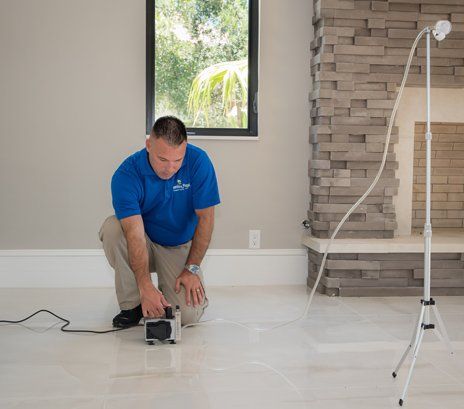
What a Professional Mold Inspection Involves
A professional inspection focuses on locating moisture sources and identifying potential contamination.
A typical inspection may include:
- A visual examination of walls, ceilings, and flooring
- Moisture readings in structural materials
- Humidity measurements throughout the property
- Inspection of attic spaces and ventilation
- Examination of HVAC systems and ductwork
In some cases, testing may be recommended to confirm mold presence or evaluate air quality.
Technicians familiar with Merritt Island homes understand common moisture patterns in coastal Florida buildings and can identify problems efficiently.
What Happens If Mold Is Found
If mold is confirmed, remediation may be recommended depending on the extent of contamination and the materials affected.
Remediation typically includes:
- Containing affected areas
- Removing contaminated materials when necessary
- Cleaning and treating structural surfaces
- Drying affected areas with professional equipment
- Repairing leaks or ventilation problems
Palm Bay Mold Removal and other regional specialists often emphasize that eliminating the moisture source is the most important step in preventing mold from returning.
Water Damage and Moisture Sources in Rental Homes
Mold inspections often reveal underlying water damage that may not have been noticed.
Common moisture sources include:
- Plumbing leaks under sinks or behind walls
- Roof leaks after storms
- AC condensate drain issues
- Window or door leaks
- Poor ventilation in bathrooms or kitchens
Addressing these problems early helps prevent mold from spreading.
HVAC Systems and Indoor Air Quality
HVAC systems play a major role in indoor air quality. If ducts or air handlers become damp, they can circulate odors and airborne particles throughout the property.
Common HVAC-related contributors to mold include:
- Condensation buildup
- Dirty or clogged filters
- Damp duct insulation
- Poor airflow
Routine HVAC maintenance and inspections help reduce these risks and improve overall air circulation.
Preventing Mold Problems in Rental Properties
Property owners in Merritt Island can reduce mold risks by taking preventive steps:
- Schedule periodic property inspections
- Maintain HVAC systems regularly
- Inspect roofs and plumbing for leaks
- Ensure bathroom and kitchen ventilation works properly
- Respond quickly to tenant maintenance requests
- Monitor humidity levels, especially after storms
Preventive maintenance often costs far less than large remediation projects.
Why Local Experience Matters
Mold inspection in coastal Florida requires an understanding of humidity, storms, and construction methods. Rental properties in Merritt Island, Viera, Rockledge, and Satellite Beach often face similar environmental challenges.
Professionals familiar with the region understand:
- How humidity affects drying times
- Where hidden moisture commonly accumulates
- Which prevention strategies work best in Florida homes
Palm Bay Mold Removal and other experienced local providers often tailor inspection methods to these conditions, helping property owners achieve reliable results.
A Practical Next Step for Property Owners
If a rental property develops musty odors, humidity problems, or visible signs of moisture, scheduling a professional mold inspection is a practical step. Early detection helps prevent structural damage, protects indoor air quality, and reduces long-term repair costs.
With regular inspections, proper ventilation, and timely repairs, rental properties in Merritt Island can remain comfortable, safe, and well-maintained—even in Florida’s humid coastal climate.