
How Black Mold Removal Helps Homes in Viera During Rainy Season
Rainy season in Viera brings more than afternoon showers. It brings extended humidity, saturated soil, frequent roof stress, and slow drying conditions. Even homes that never experience flooding can develop moisture buildup during long stretches of rain.
When moisture lingers in attics, wall cavities, or around HVAC systems, black mold can develop quickly. In Florida’s warm climate, it doesn’t take much. A minor roof leak, a clogged AC drain line, or persistent condensation can create the damp environment mold needs to grow.
Black mold removal during Viera’s rainy season is not just about cleaning visible growth. It helps stabilize the home, prevent structural deterioration, and stop contamination from spreading further.
Here’s how the process works — and why early action matters.
Why Rainy Season Increases Mold Risk in Viera
Although Viera is a well-planned community with modern construction, rainy season conditions still create risk.
Homes experience:
Frequent heavy rainfall
Wind-driven moisture intrusion
Elevated outdoor humidity
Long AC runtime cycles
Warm attic temperatures
When roof systems are stressed repeatedly, small vulnerabilities may allow moisture inside. Insulation absorbs water quietly. Attic ventilation may struggle to keep up with constant humidity.
Homes in nearby Rockledge and Suntree face similar rainy season patterns, but roof age and airflow design influence how moisture behaves in each property.
If moisture remains trapped beyond 24 to 48 hours, mold growth can begin.
Early Warning Signs During Rainy Season
Black mold does not always appear immediately.
Homeowners may notice:
Musty odors after extended rain
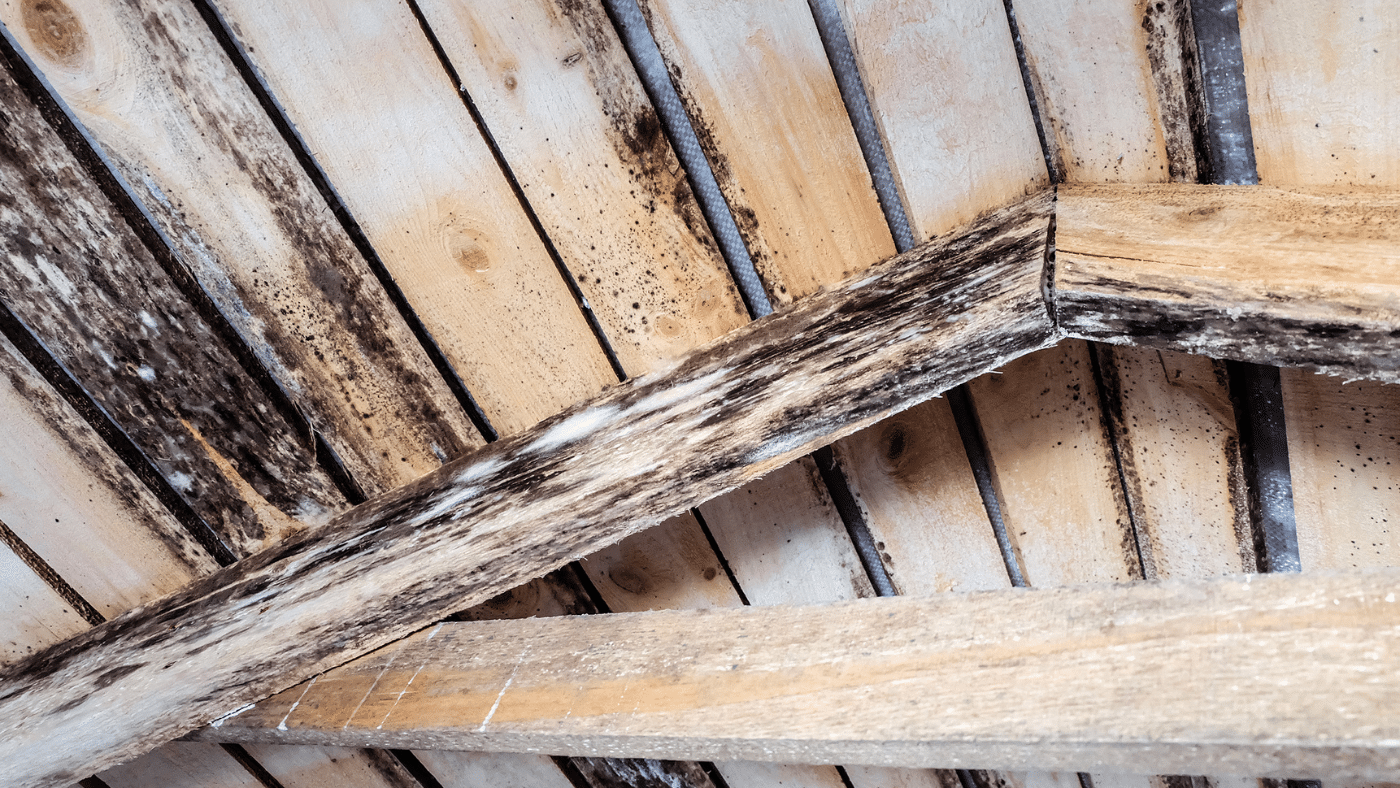
Dark streaking on attic wood
Ceiling stains that expand slowly
Peeling paint near rooflines
Elevated indoor humidity above 60 percent
Damp spots around vents
Sometimes odor is the only early clue.
Water often travels along framing before appearing on interior ceilings.
Ignoring these signs increases remediation scope.
How Black Mold Removal Protects the Home
Step 1: Identify and Correct the Moisture Source
Removal must begin with moisture correction.
This may involve:
Repairing roof flashing
Replacing damaged shingles
Clearing clogged AC drain lines
Improving attic ventilation
Sealing exterior gaps
Without correcting the moisture source, mold will return.
Palm Bay Mold Removal typically begins rainy-season mold projects in Viera with detailed moisture detection before remediation starts.
Step 2: Containment
Containment prevents particles from spreading into unaffected areas.
Plastic barriers isolate affected spaces.
Negative air machines maintain controlled airflow.
HEPA filtration helps stabilize indoor air during removal.
This step is especially important in occupied homes.
Step 3: Removal of Contaminated Materials
Porous materials that cannot be cleaned may require removal.
This may include:
Drywall
Insulation
Carpet padding
Baseboards
Selective removal limits reconstruction costs.
Leaving contaminated materials increases recurrence risk.
Step 4: Cleaning and Surface Treatment
Structural components are cleaned using:
HEPA vacuuming
Targeted cleaning methods
Surface wiping of framing
Cleaning removes residual contamination and helps eliminate odor.
Step 5: Controlled Drying
Drying stabilizes moisture levels before rebuilding begins.
This includes:
Commercial dehumidifiers
Air movers
Humidity monitoring
Indoor humidity should remain below 60 percent.
Moisture readings confirm stability.
How Black Mold Removal Prevents Structural Damage
When mold grows in damp materials, it often indicates prolonged moisture exposure.
Removing mold and drying materials:
Preserves drywall strength
Prevents insulation breakdown
Reduces wood framing deterioration
Stabilizes indoor humidity
Rainy season humidity can weaken materials quickly.
Prompt removal limits long-term repair costs.
HVAC and Attic Considerations During Rainy Season
Attics are particularly vulnerable during extended rain.
Limited airflow traps humid air against roof decking.
HVAC systems may run longer during humid periods, increasing condensation production.
Inspection often includes:
Checking duct insulation
Flushing condensate drain lines
Replacing HVAC filters
Evaluating attic ventilation
Balanced airflow reduces recurrence risk.
Preventing Black Mold in Future Rainy Seasons
Viera homeowners can reduce risk by:
Inspecting roofs annually
Checking attics after major storms
Ensuring soffit and ridge vents remain unobstructed
Maintaining indoor humidity below 60 percent
Flushing AC drain lines monthly
Addressing minor stains immediately
Routine inspection before and during rainy season prevents larger issues later.
Moisture management is more effective than repeated remediation.
Why Local Experience Matters
Viera homes range from newer block construction to custom-designed properties.
Florida’s rainy season creates moisture patterns different from dry climates.
Professionals familiar with Brevard County construction understand slab foundations, attic ventilation systems, and HVAC layouts common in Viera neighborhoods.
Palm Bay Mold Removal has worked extensively throughout Viera and surrounding communities, helping homeowners address rainy-season mold challenges specific to Florida’s environment.
Protecting Your Home During Rainy Season
Black mold removal in Viera during rainy season helps stabilize the home, eliminate contamination, and prevent structural damage. But removal alone is not enough — moisture correction and preventative maintenance are essential.
Ignoring musty odors or minor ceiling stains during rainy months often leads to larger restoration costs.
By combining prompt inspection, professional remediation, humidity control, and routine maintenance, homeowners can protect their properties effectively.
In Florida’s humid rainy season, early intervention remains the most reliable way to prevent long-term mold damage.