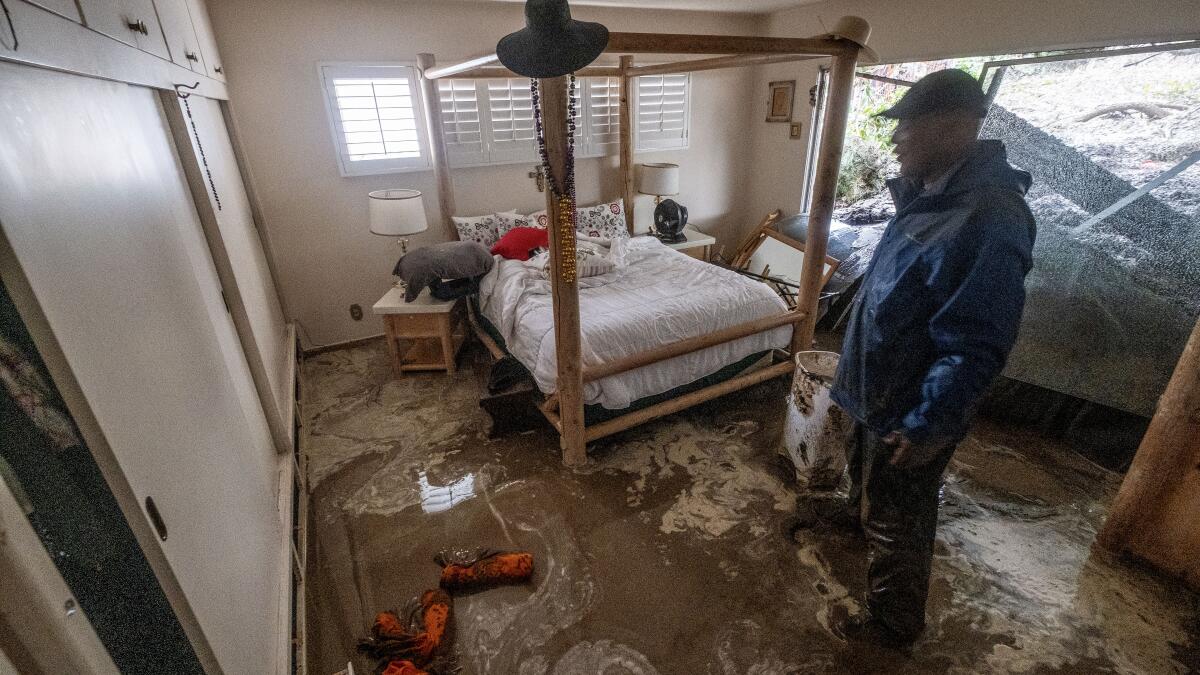
Water Damage Restoration in Titusville in Humid Summers: A Local Homeowner Guide
Summers in Titusville bring intense heat, high humidity, and frequent afternoon storms. These conditions not only make the air feel heavy but also increase the risk of water damage in homes. Even minor leaks or small areas of moisture can turn into serious problems when humidity slows drying and allows moisture to linger.
Water damage restoration is especially important during humid summers because drying takes longer, mold develops faster, and structural materials can deteriorate if moisture is not addressed properly. Understanding how water damage occurs, what warning signs to watch for, and how restoration works helps homeowners protect their property and indoor air quality.
What Water Damage Means in a Home
Water damage occurs when moisture enters areas of a home where it is not supposed to be and remains long enough to affect materials. This can happen from:
- Roof leaks during storms
- Plumbing leaks or pipe failures
- AC condensation problems
- Overflowing appliances
- Minor flooding from heavy rain
Once water enters walls, flooring, or insulation, it spreads beyond the visible area. Even after surfaces dry, hidden moisture can remain trapped inside structural materials.
Why Humid Summers in Titusville Increase Water Damage Risks
Homes in Titusville and nearby communities such as Mims, Port St. John, and Merritt Island experience conditions that make water damage more difficult to manage during summer.
High humidity slows evaporation
Moist air prevents materials from drying quickly, allowing dampness to linger.
Frequent rainstorms
Heavy rainfall increases the likelihood of roof leaks, window leaks, and small flooding events.
Warm temperatures
Heat accelerates microbial growth when moisture is present.
Continuous air conditioning use
AC systems remove moisture but also produce condensation that must drain properly.
These environmental factors mean that even small leaks can cause significant damage if not addressed promptly.
Early Warning Signs Homeowners Should Not Ignore
Water damage often develops gradually. Recognizing early signs helps prevent larger restoration projects later.
Common warning signs include:
- Musty or damp odors
- Water stains on ceilings or walls
- Peeling paint or bubbling drywall
- Warped flooring or soft spots
- Increased indoor humidity
- Condensation around vents or windows
These signs usually indicate hidden moisture that should be investigated quickly.
Hidden Areas Where Moisture Often Accumulates
Some of the most serious water damage occurs in areas that are not visible during routine cleaning.
Behind drywall
Water from plumbing leaks or roof intrusion may soak insulation and framing.
Under flooring
Carpet padding and subfloors absorb moisture and can remain damp for long periods.
Attics
Storm-related leaks often dampen insulation and wood framing.
Air ducts and HVAC systems
Humidity and condensation can affect duct insulation and air handlers.
Professional inspections often reveal moisture in these hidden areas even when surfaces appear dry.
Why DIY Drying Often Falls Short
After a leak or small flooding event, homeowners often use fans or household dehumidifiers. While these steps help remove surface moisture, they rarely address deeper problems.
DIY drying may fail because:
- Moisture remains trapped in insulation or subfloors
- Household equipment cannot remove enough humidity
- Hidden damp areas are not detected
- Drying is stopped too soon
Without proper drying, mold can begin developing within a few days in Florida’s warm climate.
What Professional Water Damage Restoration Involves
Professional restoration focuses on removing water, drying materials, and restoring affected areas.
A typical restoration process includes:
- Inspecting the affected areas and identifying moisture sources
- Extracting standing water if present
- Using industrial air movers and dehumidifiers
- Monitoring moisture levels until materials are dry
- Cleaning and sanitizing affected surfaces
- Repairing or replacing damaged materials
Professionals experienced in Titusville homes understand how humidity affects drying times and adjust equipment placement and drying duration accordingly.
Mold Risks During Humid Summers
One of the biggest concerns after water damage is mold growth. Mold thrives in warm, damp environments and can begin growing within 24 to 48 hours when moisture is present.
Areas most at risk include:
- Drywall and insulation
- Carpet and padding
- Ceiling cavities
- Ductwork and HVAC systems
If mold develops, remediation may be necessary in addition to water damage restoration.
Palm Bay Mold Removal and similar local specialists often emphasize that rapid drying and humidity control are essential steps in preventing mold after water damage.
HVAC Systems and Indoor Air Quality
Water damage can also affect HVAC systems. Moisture in ducts or air handlers can lead to odors, reduced airflow, and contamination circulating throughout the home.
Common HVAC-related concerns include:
- Condensation buildup
- Dust and debris sticking to damp surfaces
- Musty odors from vents
- Increased indoor humidity
Inspecting HVAC systems after water intrusion helps maintain proper air circulation and indoor air quality.
Repairing and Restoring Damaged Areas
Once drying is complete, restoration work may include:
- Replacing damaged drywall or insulation
- Repairing flooring or subfloors
- Sealing leaks and improving drainage
- Repainting and restoring finishes
Proper restoration helps prevent recurring moisture problems and protects the structural integrity of the home.
How to Prevent Water Damage During Humid Summers
Homeowners in Titusville can reduce the risk of water damage by taking preventive steps:
- Inspect roofs and gutters regularly
- Repair leaks promptly
- Maintain HVAC systems and drain lines
- Use dehumidifiers when humidity is high
- Ensure attic ventilation is adequate
- Inspect plumbing fixtures periodically
Even small preventive measures can significantly reduce the likelihood of major water damage.
Why Local Experience Matters
Water damage restoration in coastal Florida requires an understanding of local weather patterns, building materials, and humidity cycles. Homes in Titusville, Viera, Cocoa Beach, and Satellite Beach often face similar environmental challenges.
Professionals familiar with the region understand:
- How humidity affects drying times
- Where hidden moisture commonly accumulates
- Which restoration methods work best in Florida homes
Palm Bay Mold Removal and other experienced regional providers often tailor restoration approaches to these local conditions, helping homeowners achieve reliable results.
A Practical Next Step for Homeowners
If your home experiences a leak, flooding, or signs of moisture during the summer, scheduling a professional inspection is a wise step. Early restoration helps prevent mold growth, protects structural materials, and keeps indoor air comfortable.
With proper maintenance, timely repairs, and effective drying, homeowners in Titusville can reduce the impact of water damage—even during the most humid months of the year.