How Mold Inspection Helps Homes in Melbourne in Commercial Buildings
Mold problems are not limited to residential houses. Many commercial buildings in Melbourne—including offices, retail spaces, mixed-use buildings, and multi-unit properties—face the same moisture and ventilation challenges as homes. In fact, larger structures with complex HVAC systems and higher occupancy levels often experience moisture issues that go unnoticed for longer periods.
Mold inspection plays a critical role in identifying hidden moisture, locating contamination early, and preventing damage from spreading. For property owners and managers, understanding how mold inspections work and why they matter helps protect building structures, maintain indoor air quality, and avoid costly repairs.
What Mold Problems in Commercial Buildings Are
Mold develops when moisture remains on surfaces long enough for spores to grow. In commercial buildings, moisture often accumulates in areas that are not part of daily maintenance routines.
Common locations include:
- Ceiling cavities and insulation
- HVAC systems and ductwork
- Wall cavities near plumbing lines
- Storage rooms with limited airflow
- Flooring or carpet padding after water intrusion
Because commercial buildings may have larger air systems and more enclosed spaces, mold can spread quietly before becoming visible.
Why Mold Issues Are Common in Melbourne
Melbourne’s coastal climate creates ideal conditions for mold growth, particularly in buildings that operate air conditioning systems year-round.
Several factors contribute:
High humidity levels
Moist air slows drying and allows condensation to form on surfaces.
Frequent rainstorms and seasonal weather
Roof leaks, window leaks, and small water intrusion events are more common during storm seasons.
Warm temperatures
Heat accelerates mold growth when moisture is present.
Continuous HVAC operation
Air conditioning systems produce condensation, and clogged drain lines or poor ventilation can allow moisture to accumulate.
Nearby areas such as Palm Bay, Satellite Beach, and Rockledge experience similar environmental conditions.
Early Signs Mold May Be Present
Mold rarely appears suddenly. In most commercial buildings, early warning signs develop gradually.
Property owners and managers often notice:
- Persistent musty odors
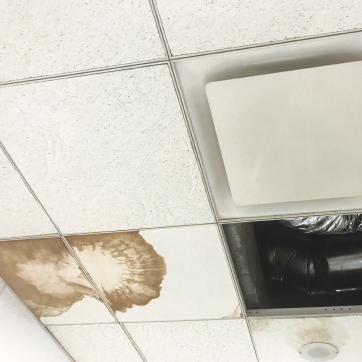
- Water stains on ceilings or walls
- Peeling paint or bubbling drywall
- Increased indoor humidity
- Condensation near vents or windows
- Uneven or stale indoor air
These signs often indicate hidden moisture that should be investigated promptly.
Hidden Areas Where Mold Often Develops
Many mold problems in commercial buildings originate in places that are not easy to inspect.
HVAC systems and ducts
Dust and condensation inside ductwork provide ideal conditions for mold growth.
Attics and roof cavities
Small roof leaks may dampen insulation and structural framing.
Behind drywall
Plumbing leaks or condensation can keep insulation damp for long periods.
Storage rooms and utility spaces
Limited ventilation and higher humidity often create favorable conditions for mold.
Because these areas are concealed, mold inspections are essential for locating problems early.
Why DIY Mold Checks Often Miss the Problem
Visual inspections alone rarely detect mold inside walls, ducts, or insulation. Property owners may see only surface symptoms, while hidden moisture continues to cause damage.
DIY checks often miss:
- Moisture behind walls or ceilings
- Early mold growth in insulation
- Damp duct interiors
- Hidden condensation in HVAC components
Professional inspections use specialized tools designed to locate moisture and contamination accurately.
What a Professional Mold Inspection Involves
A professional mold inspection focuses on identifying moisture sources and determining whether contamination is present.
A typical inspection includes:
- Visual examination of interior and exterior areas
- Moisture readings in walls, floors, and ceilings
- Humidity measurements throughout the building
- Inspection of HVAC systems and ductwork
- Evaluation of roof, plumbing, and ventilation conditions
In some situations, air or surface testing may be recommended to confirm mold presence and help guide remediation decisions.
Technicians experienced in Melbourne buildings understand how coastal humidity and building design influence moisture patterns, allowing them to identify problems efficiently.
How Mold Inspection Helps Prevent Larger Problems
Mold inspections provide several important benefits:
Early detection
Finding moisture or contamination early prevents mold from spreading.
Accurate problem identification
Inspections help determine the true source of moisture, whether it is plumbing, roofing, or HVAC-related.
Reduced repair costs
Addressing problems early prevents structural damage and extensive remediation.
Improved indoor air quality
Removing moisture sources helps maintain healthier indoor environments.
For property owners, inspections provide valuable information that supports effective maintenance planning.
Mold Removal and Remediation After Inspection
If mold is confirmed, remediation may be recommended to remove contamination and restore the building.
Typical remediation steps include:
- Containing affected areas
- Removing contaminated materials when necessary
- Cleaning and treating structural surfaces
- Drying affected areas using professional equipment
- Repairing leaks or ventilation problems
Palm Bay Mold Removal and similar regional specialists often emphasize that correcting the moisture source is the most important step in preventing mold from returning.
Water Damage and Moisture Sources in Commercial Buildings
Mold in commercial buildings often develops after small water events that may not seem serious at first.
Common moisture sources include:
- Plumbing leaks
- Roof leaks after storms
- HVAC condensation issues
- Window or door leaks
- Poor ventilation in storage or service areas
Prompt repairs and proper drying significantly reduce the risk of mold spreading.
HVAC Systems and Indoor Air Quality
HVAC systems play a major role in maintaining indoor air quality. When ducts or air handlers become damp, they can circulate odors and contaminants throughout the building.
Common HVAC-related concerns include:
- Condensation buildup
- Dirty or clogged filters
- Clogged condensate drains
- Dust and debris inside ducts
Routine inspections and maintenance help ensure proper airflow and reduce moisture buildup.
Preventing Mold Problems in Melbourne Buildings
Property owners can reduce mold risks by following preventive steps:
- Schedule regular building inspections
- Maintain HVAC systems and drainage components
- Repair leaks promptly
- Monitor indoor humidity levels
- Improve ventilation in enclosed areas
- Inspect buildings after storms or heavy rains
Preventive maintenance is often far less costly than large-scale remediation.
Why Local Experience Matters
Mold behavior in coastal Florida differs from other regions due to humidity, storms, and building materials. Professionals familiar with Melbourne, Titusville, Viera, and Satellite Beach understand how these factors affect moisture movement and drying times.
Local experience helps technicians:
- Identify common moisture patterns
- Recognize early warning signs specific to Florida climates
- Recommend prevention strategies suited to local conditions
Palm Bay Mold Removal and other experienced regional providers often tailor inspection and remediation methods to these environmental factors, helping property owners achieve reliable, long-lasting results.
A Practical Next Step for Property Owners
If you notice musty odors, water stains, or humidity problems in a commercial building, scheduling a mold inspection is a practical step. Early detection helps prevent structural damage, protects indoor air quality, and reduces long-term repair costs.
With regular inspections, proper maintenance, and timely repairs, commercial buildings in Melbourne can remain safe, efficient, and comfortable—even in Florida’s humid coastal environment.