
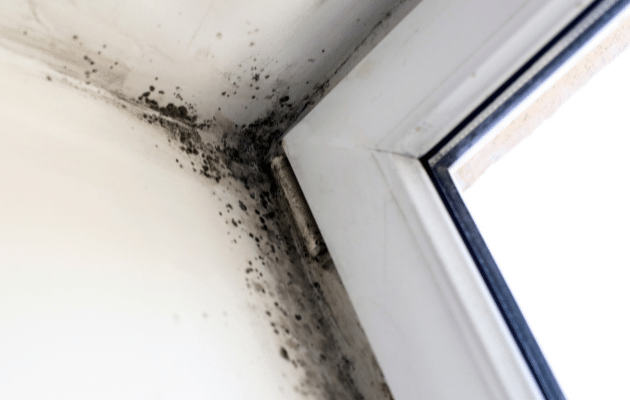
Satellite Beach Black Mold Removal from AC Condensation: Warning Signs and Prevention
In Satellite Beach, air conditioning is not optional — it runs most of the year. Coastal humidity, salt air, and long cooling seasons make HVAC systems work constantly. While most homeowners think of roof leaks or storm flooding when they hear “mold,” one of the most common causes of black mold in coastal homes is AC condensation.
When condensation does not drain properly, moisture accumulates inside air handlers, drain pans, and duct systems. In Florida’s humid environment, standing moisture combined with dust and organic debris creates ideal conditions for mold growth. Over time, that growth can spread from the AC system into surrounding drywall, insulation, and vents.
Black mold removal in Satellite Beach from AC condensation is not just about cleaning visible growth. It requires identifying the condensation source, correcting drainage or airflow problems, and preventing recurrence in a high-humidity coastal climate.
Here’s what homeowners should understand.
Why AC Condensation Is a Major Mold Trigger in Satellite Beach
Satellite Beach homes experience:
High year-round humidity
Salt air exposure
Long AC operating cycles
Frequent summer storms
Warm attic temperatures
Air conditioners naturally produce condensation as they cool indoor air. Normally, that water drains safely away through a condensate line. Problems begin when:
Drain lines clog with algae or debris
Drain pans rust or crack
Float switches fail
Airflow becomes restricted
Duct insulation deteriorates
When water pools inside the system, mold can begin forming within 24 to 48 hours.
Homes in nearby Indian Harbour Beach and Cocoa Beach face similar coastal humidity, but HVAC placement and maintenance history influence how quickly condensation turns into contamination.
Warning Signs You Should Not Ignore
AC-related black mold often develops quietly. Homeowners may notice:
Musty odor when the AC starts
Odor strongest near vents
Dark buildup around supply registers
Increased indoor humidity
Water pooling near air handler
Allergy-like irritation indoors that improves outside
Visible spotting inside the HVAC closet
If odor appears primarily during cooling cycles, condensation-related mold may be present.
Ignoring early signs allows contamination to spread deeper into ductwork and wall cavities.
Where Black Mold Commonly Develops
Evaporator Coils
The evaporator coil remains wet during operation.
Dust and debris accumulate on the coil surface.
Moisture plus organic buildup creates conditions for mold growth.
Condensate Drain Pans
Drain pans are designed to collect and direct condensation.
If clogged or corroded, water sits stagnant inside the unit.
Standing water inside a warm, humid attic promotes black mold growth.
Flexible Ductwork
Ducts running through hot attic spaces are vulnerable to condensation.
Compromised insulation allows moisture to form on the duct surface.
Dark staining may appear along interior lining.
Surrounding Drywall and Insulation
Overflow events may saturate drywall and insulation near the air handler.
If not dried properly, mold spreads into surrounding materials.
Professional inspection identifies all affected areas.
The Black Mold Removal Process
Step 1: Correct the Condensation Source
Before removal begins, moisture must be controlled.
This may involve:
Clearing the condensate drain line
Replacing a damaged drain pan
Installing or testing a float switch
Improving airflow balance
Replacing clogged filters
Repairing duct insulation
Without correcting drainage issues, mold will return.
Palm Bay Mold Removal typically begins Satellite Beach AC mold projects with moisture detection and drainage evaluation before remediation.
Step 2: Containment and Air Control
Containment isolates affected areas.
Plastic barriers and negative air machines help prevent particle spread.
HEPA filtration maintains controlled indoor air conditions.
Step 3: Removal of Contaminated Materials
Porous materials that cannot be cleaned may require removal.
This may include:
Duct insulation
Drywall near the air handler
Saturated insulation
Selective removal limits reconstruction scope.
Step 4: Cleaning and Surface Treatment
Cleaning may include:
HEPA vacuuming
Coil cleaning
Drain pan sanitation
Cabinet cleaning
The goal is removing growth while preserving system components whenever possible.
Step 5: Controlled Drying
Dehumidifiers stabilize indoor humidity.
Humidity should remain below 60 percent.
Moisture readings confirm structural stability before closing walls or reinstalling insulation.
Why DIY Cleaning Often Fails
Homeowners sometimes spray cleaners into vents or wipe visible spots.
This approach:
Does not reach hidden areas
Does not correct the moisture source
May damage sensitive components
Fails to stabilize humidity
Without addressing condensation problems, mold will return.
Professional evaluation ensures the entire HVAC system is assessed.
Preventing Future AC-Related Mold in Satellite Beach
Homeowners can reduce risk by:
Flushing condensate drain lines monthly
Replacing HVAC filters regularly
Scheduling annual AC inspections
Installing float safety switches
Monitoring indoor humidity
Ensuring attic ventilation remains unobstructed
Salt air accelerates corrosion, so regular maintenance is especially important in coastal homes.
Keeping indoor humidity below 60 percent supports long-term prevention.
The Importance of Local Experience
Satellite Beach homes range from older coastal properties to newer block construction.
Florida’s coastal humidity creates condensation patterns different from inland climates.
Professionals familiar with Brevard County HVAC configurations understand attic layouts, garage-mounted air handlers, and duct routing common in Satellite Beach neighborhoods.
Palm Bay Mold Removal has worked extensively throughout Satellite Beach and surrounding communities, addressing condensation-related black mold issues specific to Florida’s environment.
Protecting Your Home and HVAC System
Black mold removal in Satellite Beach from AC condensation requires more than surface cleaning. It demands moisture correction, containment, controlled drying, and preventative planning.
Ignoring musty odors or minor staining inside HVAC closets increases long-term repair costs.
By combining proper drainage maintenance, professional cleaning, ventilation improvements, and humidity control, homeowners can protect their indoor environments effectively.
In Florida’s humid coastal climate, proactive AC maintenance remains the most reliable way to prevent condensation-related black mold from returning.