Satellite Beach Moisture Detection in Commercial Buildings: What Homeowners Should Know
Moisture problems are one of the most common and costly issues affecting commercial buildings in Satellite Beach. Whether it’s a small office, retail space, restaurant, or multi-unit property, hidden moisture can cause structural damage, reduce indoor air quality, and lead to mold growth if not addressed early.
Many property owners assume that water damage is always obvious, but in reality, moisture often develops slowly behind walls, beneath flooring, or inside HVAC systems. Moisture detection plays a critical role in identifying these hidden problems before they become expensive repairs.
Understanding how moisture develops, what warning signs to watch for, and how professional detection works can help property owners protect their buildings and maintain a safe environment.
What Moisture Problems in Commercial Buildings Are
Moisture problems occur when water or humidity remains trapped in building materials. Unlike visible flooding, hidden moisture may not be noticeable until damage has already begun.
In commercial buildings, moisture commonly affects:
- Drywall and ceiling materials
- Insulation and wall cavities
- Flooring and subflooring
- HVAC systems and ductwork
- Roof structures and attic areas
Because commercial buildings often have larger structures and more complex plumbing and HVAC systems, moisture can spread unnoticed for longer periods than in residential homes.
Why Moisture Problems Are Common in Satellite Beach
Satellite Beach’s coastal climate plays a major role in moisture-related issues. Several environmental factors contribute:
High coastal humidity
Moist outdoor air enters buildings and raises indoor humidity levels, especially when ventilation is limited.
Frequent storms and heavy rainfall
Roof leaks, window leaks, and minor water intrusion events are more common during storm seasons.
Warm temperatures year-round
Heat slows drying and accelerates microbial growth when moisture is present.
Continuous HVAC use
Air conditioning systems remove moisture but also produce condensation, which can contribute to damp conditions if drainage or ventilation is inadequate.
Nearby communities such as Cocoa Beach, Melbourne, and Merritt Island experience similar challenges, particularly in buildings near the coast.
Early Warning Signs of Hidden Moisture
Moisture problems rarely appear suddenly. In most cases, early warning signs develop gradually.
Property owners and managers often notice:
- Musty or stale odors in certain areas
- Water stains on ceilings or walls
- Peeling paint or bubbling drywall
- Warped flooring or soft spots
- Increased indoor humidity
- Condensation around vents or windows
These signs may indicate hidden moisture inside walls, ceilings, or mechanical systems.
Hidden or Overlooked Sources of Moisture
Many moisture problems originate in areas that are rarely inspected.
Roof and ceiling spaces
Slow roof leaks may dampen insulation and structural framing.
Plumbing systems
Small leaks behind walls or under sinks can remain unnoticed for long periods.
HVAC systems and ductwork
Condensation buildup or clogged drains can allow moisture to accumulate.
Storage rooms and utility areas
Limited airflow and higher humidity often create damp conditions.
Exterior wall cavities
Wind-driven rain or small leaks around windows can allow moisture to penetrate building materials.
Because these areas are not easily visible, professional moisture detection is often necessary to locate the source.
Why DIY Detection Often Misses the Problem
Property owners sometimes attempt to identify moisture by visual inspection alone. While this can reveal obvious leaks, it rarely detects moisture trapped inside structural materials.
DIY methods often miss:
- Damp insulation behind drywall
- Moisture under flooring
- Condensation inside ducts
- Early-stage mold growth
Without specialized tools, it is difficult to measure moisture levels accurately or locate hidden damp areas.
Professional Moisture Detection Explained
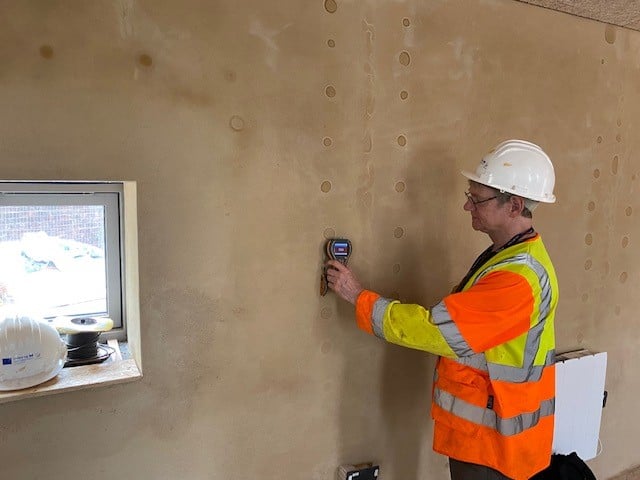
Professional moisture detection involves using specialized equipment to locate moisture that is not visible to the eye.
Technicians typically use:
- Moisture meters to measure dampness in walls, floors, and ceilings
- Thermal imaging to identify temperature differences caused by moisture
- Humidity readings to evaluate indoor air conditions
- Visual inspection of plumbing, roofing, and HVAC systems
These methods allow technicians to pinpoint the source of moisture and determine how far it has spread.
Professionals familiar with Satellite Beach and Brevard County commercial buildings understand common moisture patterns in coastal structures, allowing them to identify problems more efficiently.
Mold Risks Associated with Hidden Moisture
One of the biggest concerns with undetected moisture is mold growth. Mold can begin developing within 24 to 48 hours in damp conditions, especially in warm climates like Florida.
Areas most at risk include:
- Ceiling tiles and wall cavities
- Ductwork and insulation
- Flooring and subflooring
- Storage rooms with limited ventilation
If mold develops, remediation may be required in addition to moisture control.
Palm Bay Mold Removal and similar local specialists often emphasize that early moisture detection is the most effective way to prevent mold problems in commercial properties.
Water Damage Repair and Restoration
When moisture is detected, restoration steps may be necessary to prevent structural damage.
Typical restoration work may include:
- Repairing leaks or drainage problems
- Removing damaged materials
- Structural drying and dehumidification
- Cleaning and sanitizing affected areas
- Monitoring moisture levels until materials are fully dry
Addressing these issues early helps prevent long-term damage and costly repairs.
HVAC Systems, Air Ducts, and Moisture
HVAC systems play a major role in both moisture control and indoor air quality. When ducts or air handlers become damp, they can circulate humid air or contaminants throughout the building.
Common HVAC-related contributors include:
- Condensation buildup in air handlers
- Clogged condensate drain lines
- Poor airflow or ventilation
- Dirty or damp duct insulation
Routine maintenance and periodic inspections help reduce these risks and keep systems operating efficiently.
How to Prevent Moisture Problems in Commercial Buildings
Property owners in Satellite Beach can reduce the risk of moisture problems by taking preventive steps:
- Schedule regular roof and plumbing inspections
- Maintain HVAC systems and drainage components
- Monitor indoor humidity levels
- Improve ventilation in storage and utility areas
- Repair leaks promptly
- Inspect buildings after storms or heavy rains
Preventive maintenance is often far less costly than repairing damage caused by long-term moisture exposure.
Why Local Experience Matters
Moisture detection in coastal Florida requires an understanding of local weather patterns, construction styles, and humidity cycles. Buildings in Satellite Beach, Viera, Titusville, and surrounding Brevard County communities often share similar environmental challenges.
Professionals familiar with the area can:
- Identify common moisture sources in coastal buildings
- Recognize early warning signs specific to Florida climates
- Recommend prevention strategies suited to local conditions
Palm Bay Mold Removal and other experienced regional providers often tailor inspections and restoration approaches to these environmental factors, helping property owners achieve reliable results.
A Practical Next Step for Property Owners
If you notice musty odors, water stains, or humidity problems in a commercial building, scheduling a professional moisture detection inspection can help identify hidden issues before they worsen. Early detection helps protect structural materials, maintain indoor air quality, and prevent mold growth.
With proper maintenance and timely inspections, commercial buildings in Satellite Beach can remain dry, efficient, and structurally sound even in Florida’s humid coastal environment.