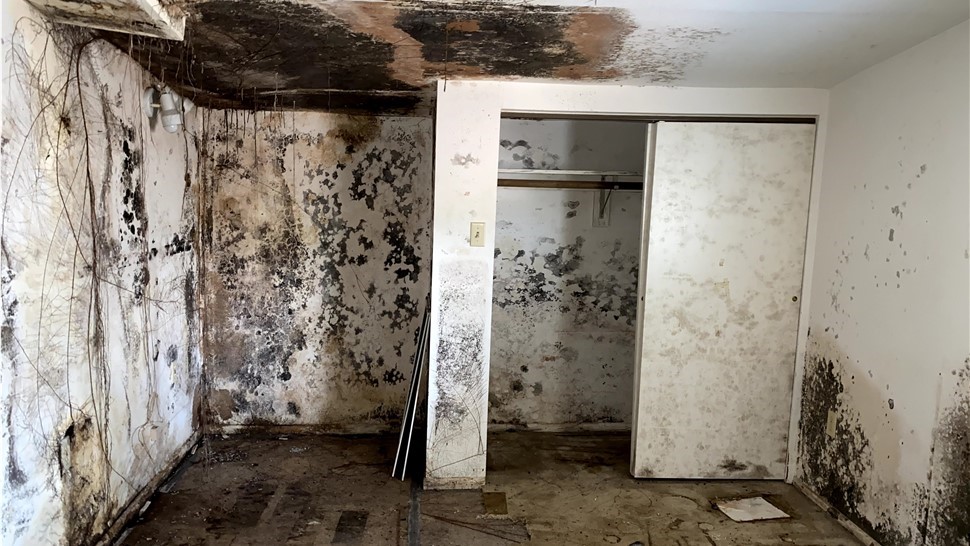
Warning Signs and Prevention: Black Mold Removal in Melbourne in Coastal Homes
Living in Melbourne, Florida offers the benefits of coastal air, warm weather, and easy access to the ocean. However, coastal environments also create ideal conditions for moisture problems inside homes. High humidity, frequent rainstorms, and year-round air conditioning use all contribute to one of the most serious indoor issues homeowners may face—black mold.
Black mold is not always immediately visible, and in many coastal homes it develops slowly in hidden areas. Recognizing the early warning signs and understanding prevention methods can help homeowners address problems early and avoid extensive damage.
What Black Mold Is and Why It Appears
Black mold is a type of mold that thrives in damp, humid environments where moisture remains for extended periods. Like other molds, it spreads through microscopic spores that are always present in the air. When those spores land on wet surfaces, they begin to grow.
In homes, black mold commonly develops on:
- Drywall and ceiling materials
- Wood framing and baseboards
- Carpet and padding
- Air ducts and insulation
- Areas affected by leaks or condensation
Moisture is the key factor. Without persistent dampness, mold cannot grow or spread.
Why Coastal Homes in Melbourne Are More Vulnerable
Homes near the coast experience environmental conditions that increase the likelihood of mold problems.
High humidity levels
Moist outdoor air enters homes whenever doors open or ventilation is limited, raising indoor moisture levels.
Frequent storms and heavy rains
Roof leaks, window leaks, or small areas of water intrusion are more common during storm seasons.
Warm temperatures year-round
Heat accelerates mold growth once moisture is present.
Continuous AC operation
Air conditioning systems remove moisture but also create condensation, which can contribute to damp areas if drainage or ventilation is inadequate.
Nearby communities such as Satellite Beach, Palm Bay, and Merritt Island experience similar conditions, particularly during the summer and rainy months.
Early Warning Signs Homeowners Should Not Ignore
Black mold often develops gradually, and early warning signs may appear before visible growth spreads.
Homeowners should watch for:
Persistent musty odors
A strong, damp smell is often the first indicator of mold developing in hidden areas.
Dark spots on walls or ceilings
Small discolorations may indicate early mold growth.
Peeling paint or bubbling drywall
Moisture trapped behind surfaces can cause finishes to deteriorate.
Increased indoor humidity
Rooms may feel damp or clammy even when air conditioning is running.
Condensation around vents or windows
Excess moisture in the air often leads to visible condensation.
These signs should be investigated early, since mold spreads more easily in warm, humid environments.
Hidden Areas Where Black Mold Often Develops
Many mold problems are discovered in places that homeowners rarely inspect.
Attics
Poor ventilation allows heat and moisture to accumulate, creating ideal conditions for mold on wood and insulation.
Air ducts and HVAC systems
Condensation and dust inside ducts can allow mold to grow and spread through airflow.
Behind drywall
Slow leaks or condensation inside wall cavities can leave insulation damp for long periods.
Under flooring
Moisture trapped beneath flooring materials can create hidden mold colonies.
Because these areas are not visible during routine cleaning, mold may spread before it is detected.
Why DIY Mold Removal Often Fails
Many homeowners attempt to clean visible mold using household cleaners. While this may remove surface staining, it rarely addresses the underlying cause.
DIY removal often fails because:
- Hidden mold remains untreated
- Moisture sources are not corrected
- Mold inside porous materials cannot be fully removed
- Improper cleaning can spread spores
Professional remediation focuses on both removing contamination and correcting moisture conditions to prevent recurrence.
Professional Mold Inspection and Removal Explained
A proper mold inspection begins with identifying moisture sources and determining the extent of contamination.
Technicians typically:
- Inspect attics, walls, and ceilings
- Check HVAC systems and ductwork
- Measure humidity levels
- Use moisture meters to locate damp areas
- Evaluate ventilation and airflow
Once mold is confirmed, remediation may involve removing contaminated materials, cleaning structural surfaces, and drying affected areas.
Professionals experienced in Melbourne and Brevard County understand how coastal humidity affects building materials and can identify issues that are easy to overlook.
Palm Bay Mold Removal and other regional specialists often emphasize moisture control as the most important part of successful remediation.
The Role of Water Damage and Flooding
Black mold often develops after water intrusion events, including:
- Roof leaks
- Plumbing leaks
- Storm-related flooding
- Overflowing appliances
Even small leaks can allow moisture to remain trapped in structural materials, creating conditions where mold develops days or weeks later.
Water damage restoration usually involves drying, moisture detection, and cleaning affected materials to prevent mold growth.
HVAC Systems and Indoor Air Quality
Air conditioning systems play a major role in indoor air quality. When ducts or air handlers become damp, they can circulate mold spores and odors throughout the home.
Common HVAC-related contributors include:
- Condensation buildup
- Clogged condensate lines
- Dirty or damp ductwork
- Poor airflow
Routine maintenance and periodic inspections help reduce these risks and maintain proper air circulation.
Prevention Tips for Coastal Homes
Preventing mold is usually easier and less costly than removing it. Homeowners in Melbourne can reduce risk by following these steps:
- Keep indoor humidity below 60%
- Repair leaks promptly
- Maintain HVAC systems regularly
- Ensure attic ventilation is adequate
- Replace air filters regularly
- Inspect roofs and plumbing after storms
Using dehumidifiers during extremely humid periods can also help stabilize indoor moisture levels.
Why Local Experience Matters
Coastal homes behave differently than homes in dry climates. Professionals familiar with Melbourne, Cocoa Beach, Rockledge, and Titusville understand how humidity, storms, and construction styles affect moisture patterns.
Local experience allows technicians to:
- Identify common mold sources in coastal homes
- Recognize early warning signs specific to Florida climates
- Recommend prevention strategies suited to local conditions
Palm Bay Mold Removal and other experienced local providers often tailor inspections and remediation methods to these environmental factors, helping homeowners achieve long-lasting results.
A Practical Next Step for Homeowners
If you notice musty odors, rising humidity, or dark spots on walls or ceilings, scheduling a mold inspection is a practical step. Early detection helps prevent mold from spreading and protects structural materials and indoor air quality.
With proper maintenance, moisture control, and routine inspections, homeowners in Melbourne can significantly reduce the risk of black mold and keep their coastal homes comfortable and safe year-round.