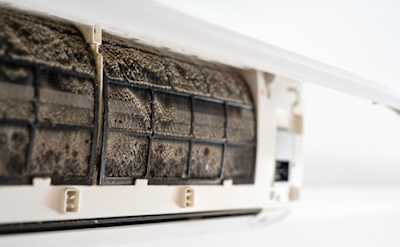
Warning Signs and Prevention: Mold Inspection in Satellite Beach from AC Condensation
Air conditioning systems are essential in Satellite Beach, where warm temperatures and coastal humidity make indoor cooling necessary most of the year. While AC systems help control temperature and reduce humidity, they also produce condensation. When that moisture isn’t properly drained or ventilated, it can create conditions that allow mold to develop quietly inside homes.
Many property owners assume mold only appears after flooding or major leaks, but AC condensation is one of the most common hidden causes of mold in coastal Florida homes. Recognizing early warning signs and understanding the importance of mold inspection can help prevent long-term damage and expensive repairs.
What Mold from AC Condensation Is
Air conditioners remove heat and moisture from indoor air. As warm air passes over cold evaporator coils, condensation forms and normally drains through a condensate line.
Problems begin when:
- Drain lines partially clog
- Drain pans overflow or retain water
- Humidity levels remain high
- Air leaks allow warm, moist air into ducts or air handlers
When moisture stays on surfaces for extended periods, mold spores in the air can begin to grow on dust, insulation, or other organic materials inside the HVAC system or nearby structural areas.
Why This Happens So Often in Satellite Beach
Satellite Beach homes face environmental conditions that increase the risk of condensation-related mold.
Coastal humidity keeps moisture levels high even when air conditioning is running.
Warm outdoor temperatures cause cooling systems to operate for long periods, producing more condensation.
Salt air exposure can affect metal components and drainage systems over time.
Frequent rainstorms increase attic and indoor humidity, making drying more difficult.
Nearby communities such as Cocoa Beach, Melbourne, Merritt Island, and Palm Bay experience similar conditions, but homes closest to the coast often deal with higher humidity levels and stronger temperature differences between indoor and outdoor air.
Early Warning Signs Homeowners Should Not Ignore
Mold caused by AC condensation often develops slowly, and early signs can be subtle. Paying attention to these warning signs can help prevent widespread contamination.
Musty odors when the AC runs
A damp smell that appears when the system starts is often one of the first clues.
Condensation around vents or registers
Moisture forming on or around vents may indicate excess humidity or airflow issues.
Dark spots near vents or air handlers
Discoloration around vents, ceilings, or HVAC components may suggest mold growth.
Increased indoor humidity
Rooms may feel damp or clammy even when cooling is working normally.
Reduced airflow or uneven cooling
Moisture buildup or contamination inside ducts can restrict airflow.
These signs should be evaluated early, as mold spreads more easily in warm, humid conditions.
Hidden or Overlooked Sources of Mold
Condensation-related mold often forms in areas homeowners rarely inspect.
Air handlers and evaporator coils
Dust and moisture combine to create ideal conditions for mold growth.
Drain pans and condensate lines
Standing water in these components can allow microbial growth to develop.
Duct interiors and insulation
Moisture inside ducts can affect insulation and allow mold to spread through airflow.
Attics and crawl spaces
Condensation from ducts or poor ventilation can affect surrounding materials.
Because these areas are hidden, mold problems may continue unnoticed until odors or indoor air quality changes become obvious.
Why DIY Inspection Often Misses the Problem
Homeowners sometimes attempt to inspect their AC systems visually, but condensation-related mold often develops in places that are difficult to access without specialized tools.
DIY inspections may miss:
- Moisture behind insulation or inside ductwork
- Small leaks in condensate lines
- Early-stage mold growth not visible to the eye
- Humidity pockets in enclosed areas
Professional inspections are designed to locate both visible and hidden moisture sources.
Professional Mold Inspection and Testing Explained
A thorough mold inspection focuses on identifying the cause of moisture as well as the presence of contamination.
Technicians typically:
- Inspect air handlers and evaporator coils
- Check drain pans and condensate lines
- Examine ducts and ventilation pathways
- Measure indoor humidity levels
- Inspect attics and surrounding structural areas
Moisture meters and other tools help locate damp areas that may not be visible. In some cases, testing may be recommended to confirm contamination levels and determine the appropriate remediation steps.
Professionals experienced in Satellite Beach and surrounding Brevard County communities understand how coastal humidity affects HVAC systems and can identify issues quickly.
Mold Removal and Remediation Process
When mold is confirmed, remediation involves more than cleaning visible surfaces. Effective mold removal generally includes:
- Containing affected areas
- Removing contaminated materials when necessary
- Cleaning and treating structural surfaces
- Drying and dehumidifying affected areas
- Correcting condensation or drainage problems
Addressing the moisture source is essential. Without correcting condensation issues, mold is likely to return.
Palm Bay Mold Removal and other experienced local specialists often focus on long-term moisture control to ensure lasting results.
Water Damage and Flooding Considerations
While AC condensation alone can cause mold, water intrusion events can make conditions worse. Heavy rain, roof leaks, or plumbing issues can increase humidity levels and allow mold to spread more rapidly.
After water intrusion, restoration work may include:
- Moisture detection
- Structural drying
- Cleaning and sanitizing affected materials
- Inspecting HVAC systems and ducts
Taking these steps early helps prevent mold from spreading into walls, ceilings, and insulation.
Air Ducts, Ventilation, and Mold Prevention
Air ducts play a significant role in indoor air quality. When ducts accumulate moisture, they can circulate contaminants throughout the home.
Common duct-related contributors include:
- Condensation inside ducts
- Poor insulation around ductwork
- Leaky connections allowing humid air inside
- Dust accumulation combined with moisture
Routine HVAC maintenance and duct inspections can significantly reduce these risks.
How to Prevent Mold from AC Condensation
Property owners in Satellite Beach can take several practical steps to reduce condensation-related mold risk:
- Keep condensate drain lines clear
- Replace air filters regularly
- Schedule annual HVAC maintenance
- Improve attic ventilation
- Monitor indoor humidity levels
- Use dehumidifiers when necessary
Regular maintenance helps ensure that moisture is removed effectively before it can cause problems.
Why Local Experience Matters
Homes in coastal Florida behave differently than those in drier climates. Professionals familiar with Satellite Beach, Melbourne, Rockledge, and Titusville understand how humidity, storms, and construction styles influence condensation patterns.
Local experience allows technicians to:
- Identify common HVAC moisture issues
- Recognize early warning signs specific to coastal homes
- Recommend preventive measures suited to the local climate
Palm Bay Mold Removal and similar regional specialists often tailor inspection methods to these conditions, helping homeowners achieve reliable and lasting results.
A Practical Next Step for Property Owners
If your home develops musty odors, condensation around vents, or rising humidity levels, scheduling a mold inspection can help identify problems before they spread. Early detection and correction of moisture issues are the most effective ways to protect indoor air quality and prevent structural damage.
Maintaining proper drainage, ventilation, and humidity control helps ensure that homes in Satellite Beach remain comfortable and healthy even during the most humid months of the year.