How Mold Removal Helps Homes in Merritt Island in Humid Summers
Humid summers are a normal part of life in Merritt Island. Warm air, frequent afternoon storms, and moisture from nearby waterways create conditions that can affect homes in ways many property owners don’t notice right away. One of the most common issues during these months is mold growth.
Mold thrives in warm, damp environments, and Florida’s summer climate provides ideal conditions for it to develop in walls, attics, air ducts, and flooring. Understanding how professional mold removal helps protect homes can make a major difference in preventing long-term structural damage and indoor air quality problems.
What Mold Problems Are and How They Start
Mold is a natural organism that spreads through microscopic spores in the air. These spores are present both indoors and outdoors, but they only begin to grow when they land on damp surfaces.
In homes, mold often develops in areas such as:
- Behind drywall after minor leaks
- Around air conditioning systems
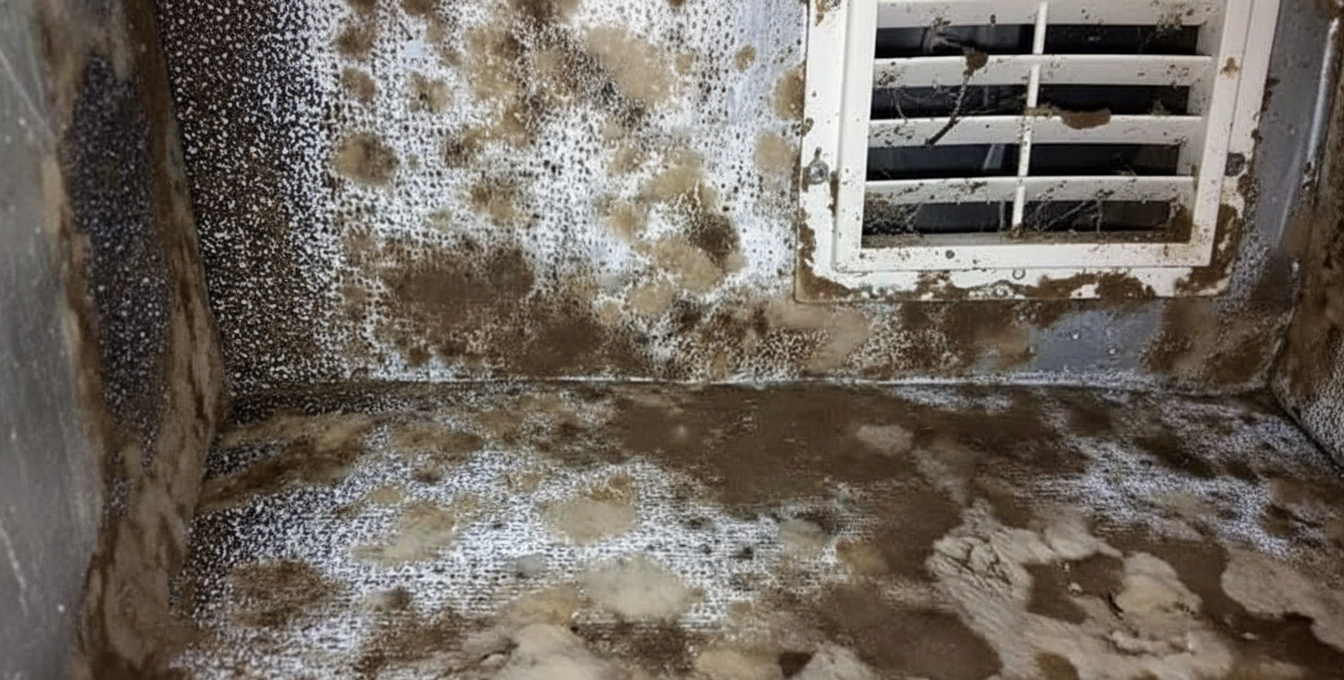
- Inside air ducts
- Beneath carpets or flooring
- In attics and crawl spaces
Once moisture is present for more than a day or two, mold can begin to form and spread. During humid summers, even condensation alone can provide enough moisture for growth.
Why This Happens So Often in Merritt Island Summers
Merritt Island’s climate makes mold problems more likely than in many other regions. Several local conditions contribute to this:
High outdoor humidity keeps indoor humidity elevated, even with air conditioning running.
Frequent rainstorms introduce moisture into attics, walls, and crawl spaces.
Warm temperatures accelerate mold growth on damp surfaces.
Coastal air carries moisture that can condense on cooler surfaces inside homes.
Nearby areas such as Cocoa Beach, Melbourne, Satellite Beach, and Palm Bay experience similar conditions, but Merritt Island homes are often surrounded by water and vegetation, which can increase humidity levels even further.
Common Signs Homeowners Notice
Mold problems do not always begin with visible patches. In many cases, homeowners first notice small changes in their home environment.
Typical warning signs include:
- A persistent musty odor
- Increased indoor humidity
- Dark spots on ceilings or walls
- Peeling paint or bubbling drywall
- Allergy-like irritation indoors
- Condensation on vents or windows
These early signs often appear before mold becomes visible in larger areas.
Hidden or Overlooked Sources of Mold
Some mold growth occurs in areas that homeowners rarely inspect.
Attics
Poor ventilation and roof heat can create condensation that allows mold to develop on wood and insulation.
Air ducts
Dust combined with moisture provides a surface where mold can grow and spread through airflow.
Wall cavities
Leaks from plumbing or windows can leave insulation damp for long periods.
Under flooring
Moisture trapped beneath tile or laminate flooring can create hidden mold colonies.
Because these areas are not easily accessible, problems may continue unnoticed until odors or structural changes appear.
Why DIY Mold Removal Usually Fails
Many homeowners attempt to clean mold using household cleaners or bleach. While this may remove visible stains, it rarely solves the underlying problem.
DIY removal often fails because:
- The moisture source remains untreated
- Mold inside porous materials is not fully removed
- Spores spread during cleaning
- Hidden mold continues to grow
Professional mold removal focuses not only on cleaning but also on identifying and correcting the moisture conditions that allowed mold to form in the first place.
Professional Mold Inspection and Testing Explained
A proper inspection helps determine the size and source of the problem. Professionals typically examine:
- Walls and ceilings
- HVAC systems and ductwork
- Attics and crawl spaces
- Areas affected by previous leaks
- Humidity levels throughout the home
Moisture meters and other tools help locate damp areas that are not visible to the eye. In some situations, testing may be recommended to confirm contamination levels and guide remediation.
Technicians familiar with homes in Merritt Island and surrounding Brevard County communities often recognize patterns related to seasonal humidity and ventilation issues.
Proper Mold Removal and Remediation Process
Professional mold removal involves several important steps designed to remove contamination safely and prevent recurrence.
These steps often include:
- Isolating affected areas to prevent spores from spreading
- Removing contaminated materials when necessary
- Cleaning and treating structural surfaces
- Drying and dehumidifying the space
- Correcting moisture sources such as leaks or ventilation problems
The goal is to restore a dry, stable environment where mold cannot return easily.
Palm Bay Mold Removal and similar local specialists often emphasize long-term prevention rather than quick surface cleaning, since controlling humidity is essential in Florida homes.
Flood Restoration and Water Damage Repair
Summer storms sometimes bring heavy rainfall that can lead to minor flooding or water intrusion. Even small amounts of water can create conditions that allow mold to grow if drying is incomplete.
Flood restoration may involve:
- Water removal
- Structural drying
- Moisture detection
- Cleaning and sanitizing affected materials
Addressing water damage promptly helps prevent mold from spreading into walls, flooring, or duct systems.
Air Ducts, AC Systems, and Mold
Air conditioning systems play a major role in mold prevention, but they can also become sources of moisture if not maintained properly.
Common HVAC-related causes of mold include:
- Condensation buildup in drain pans
- Clogged condensate lines
- Dust accumulation inside ducts
- Poor airflow or insulation issues
Regular maintenance and duct inspections help reduce these risks, especially during long, humid summers when systems run continuously.
How to Prevent Mold in Merritt Island Homes
Preventive maintenance is one of the most effective ways to reduce mold risk.
Homeowners can take practical steps such as:
- Keeping indoor humidity below 60%
- Using dehumidifiers when needed
- Repairing leaks promptly
- Ensuring proper attic ventilation
- Scheduling routine HVAC maintenance
- Inspecting areas prone to moisture after storms
Even simple measures can significantly reduce the likelihood of mold developing.
Why Local Experience Matters
Mold problems in coastal Florida are different from those in drier climates. Professionals familiar with Merritt Island, Viera, Rockledge, Titusville, and nearby communities understand how humidity, storms, and building materials interact.
Local experience allows technicians to:
- Recognize common moisture patterns
- Identify hidden mold risks in coastal construction
- Recommend prevention methods suited to Florida’s climate
Palm Bay Mold Removal and other regional specialists often tailor their approach to these conditions, helping homeowners achieve more reliable and lasting results.
A Calm, Practical Next Step
If your home develops musty odors, rising humidity, or visible signs of mold during the summer months, scheduling an inspection early can prevent more serious damage. Mold removal is most effective when the problem is addressed before it spreads into structural materials or HVAC systems.
With proper inspection, drying, and remediation, homes in Merritt Island can remain comfortable and healthy even during the most humid parts of the year.