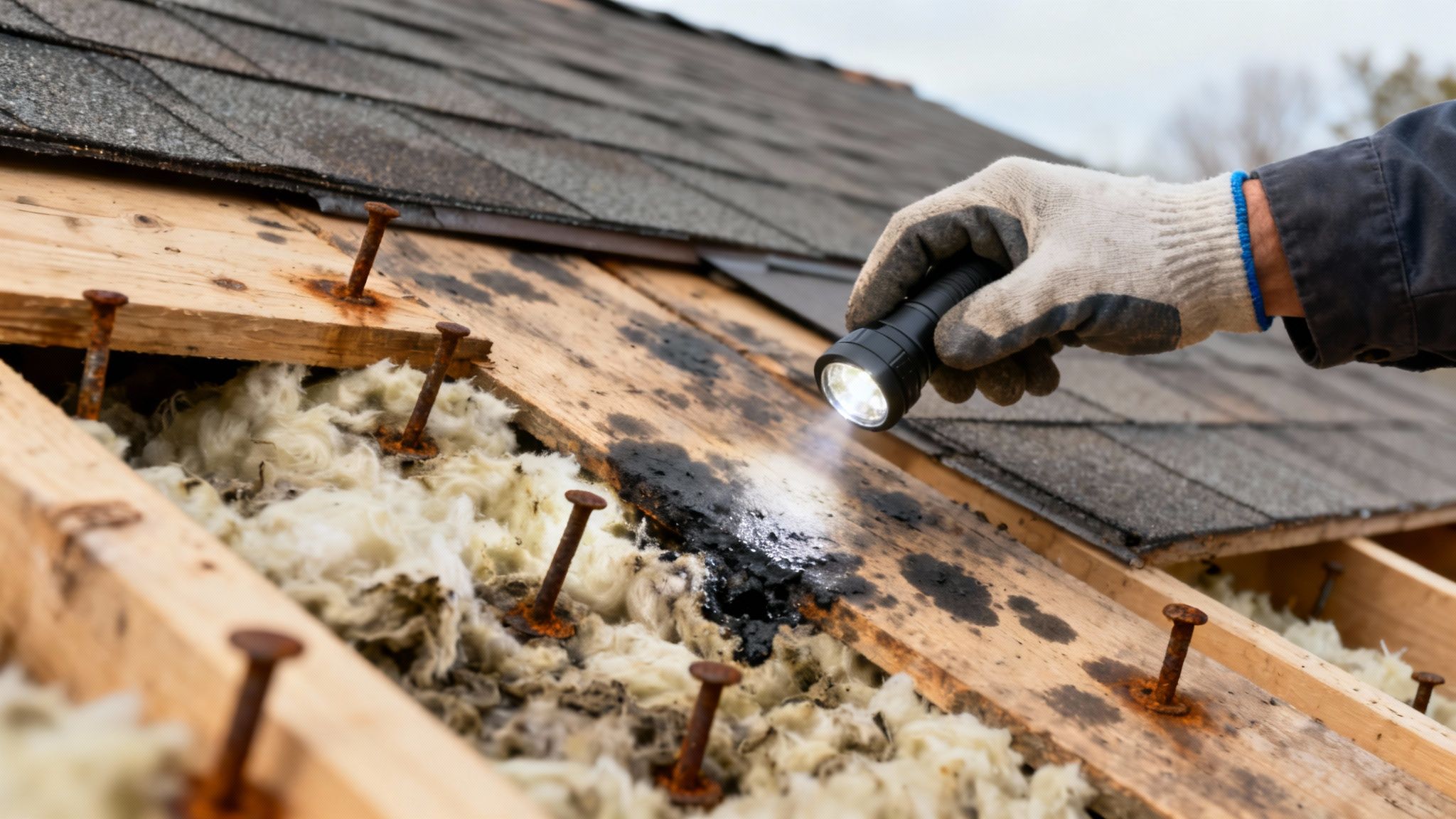
Cocoa Beach Duct Cleaning During Rainy Season: Professional Tips for Property Owners
Rainy season in Cocoa Beach brings welcome relief from summer heat, but it also introduces a set of challenges for homeowners and property managers—especially when it comes to indoor air systems. Increased humidity, wind-driven rain, and long AC run times create ideal conditions for moisture buildup inside ductwork. Over time, that moisture can lead to dust buildup, microbial growth, odors, and reduced system efficiency.
Many property owners only think about duct cleaning when airflow drops or odors appear. But in coastal areas like Cocoa Beach, regular inspection and maintenance during the rainy months can prevent problems before they affect indoor air quality or cause damage to HVAC components.
What Happens Inside Air Ducts During Rainy Season
Air ducts are designed to carry conditioned air throughout a home, but they also collect small amounts of dust, fibers, and airborne particles over time. When humidity levels rise—as they often do during Florida’s rainy season—moisture can combine with those particles, creating conditions that allow contaminants to accumulate more rapidly.
Rainy weather increases the likelihood of:
- Condensation forming inside ducts
- Moisture entering attic spaces
- Humid air leaking through unsealed duct joints
- Insulation around ducts absorbing moisture
These conditions don’t always create visible problems immediately, but they gradually affect air quality and system performance.
Why This Happens So Often in Cocoa Beach
Coastal communities such as Cocoa Beach, Satellite Beach, and nearby Merritt Island face environmental factors that increase duct contamination risks.
Frequent rainstorms raise humidity levels both indoors and in attic spaces.
Warm, humid ocean air increases condensation on cooler duct surfaces.
Older duct insulation in some homes can absorb moisture and deteriorate over time.
Air conditioning systems running continuously during humid weather produce additional condensation and airflow through ducts.
Homes in nearby Melbourne, Rockledge, and Palm Bay often experience similar seasonal patterns, but coastal properties tend to face higher moisture exposure because of proximity to the ocean and higher salt content in the air.
Common Signs Property Owners Notice
Duct-related issues often develop slowly. Property owners frequently report:
- Musty or stale odors when the AC runs
- Dust buildup around vents
- Uneven cooling in different rooms
- Increased indoor humidity
- Allergy-like irritation that improves when away from home
Sometimes the first clue is simply that the house feels damp even though the air conditioner is running.
Hidden or Overlooked Sources of Duct Contamination
Several hidden conditions can contribute to duct problems during rainy season:
Attic humidity
Ducts running through hot, humid attics often develop condensation on exterior surfaces, which can affect insulation and connections.
Loose or leaking duct joints
Small gaps allow warm, moist air to enter, increasing moisture levels inside ducts.
Clogged condensate lines
Water backup in AC systems can introduce excess moisture into airflow pathways.
Poor ventilation
Homes with limited attic ventilation tend to trap moisture, increasing the risk of condensation around ductwork.
These issues are common in coastal homes and are often discovered only during professional inspections.
Why DIY Duct Cleaning Usually Falls Short
Many homeowners attempt to clean vents themselves using household vacuums or surface cleaners. While this can remove visible dust, it rarely addresses the deeper sections of ductwork where buildup accumulates.
DIY cleaning often fails because:
- Most of the duct system is inaccessible
- Moisture sources remain untreated
- Specialized equipment is needed to remove debris effectively
- Improper cleaning can dislodge particles that spread through the system
Professional cleaning focuses not only on removing debris but also on identifying the conditions that caused the buildup.
Professional Duct Inspection and Cleaning Explained
A thorough duct cleaning process typically begins with a detailed inspection. Technicians evaluate:
- Supply and return ducts
- Air handler components
- Vent registers and grilles
- Insulation around ducts
- Signs of moisture or microbial growth
Cleaning itself often involves high-powered vacuum systems, agitation tools, and methods designed to remove debris without damaging duct surfaces.
Professionals also look for contributing factors such as duct leaks, insulation problems, or drainage issues that may need correction to prevent recurrence.
Mold Risks and Remediation Considerations
When ducts remain damp for extended periods, microbial growth can develop. In such cases, cleaning alone may not be sufficient. Mold-affected materials or insulation may need to be replaced, and moisture sources must be corrected.
Specialists serving Cocoa Beach and surrounding communities sometimes find that duct contamination is linked to:
- Roof or attic leaks
- AC drainage issues
- Poorly insulated ducts
- Prolonged high humidity indoors
Companies such as Palm Bay Mold Removal often emphasize that identifying the moisture source is the most important step in preventing mold from returning.
Flood Restoration and Water Damage Connections
Heavy rains and seasonal storms occasionally lead to minor flooding, roof leaks, or water intrusion that affects attic spaces. When ductwork is exposed to this moisture, contaminants can spread through the system.
After water intrusion, professionals may recommend:
- Moisture detection in walls and ceilings
- Drying and dehumidification
- Inspection of duct insulation
- Cleaning and sanitizing affected ducts
Addressing these issues early helps prevent long-term damage and indoor air quality problems.
AC Systems, Airflow, and Duct Performance
Air ducts are only one part of a larger cooling system. When ducts are dirty or damp, airflow becomes restricted, forcing the AC system to work harder. This can lead to:
- Higher energy usage
- Longer cooling cycles
- Reduced system lifespan
- Uneven temperatures throughout the home
Routine maintenance of both ducts and AC equipment helps maintain efficiency, especially during rainy months when systems operate more frequently.
How to Prevent Duct Problems During Rainy Season
Property owners in Cocoa Beach can reduce duct contamination risks by following a few practical steps:
- Replace air filters regularly
- Keep indoor humidity under control
- Schedule seasonal HVAC maintenance
- Ensure attic ventilation is adequate
- Seal visible duct leaks promptly
- Monitor condensate drains for clogs
Even small preventive measures can significantly reduce the likelihood of moisture-related duct issues.
Why Local Experience Matters
Coastal HVAC systems behave differently than those in drier climates. Technicians familiar with Cocoa Beach, Melbourne, Titusville, and Viera understand how humidity, salt air, and seasonal storms affect homes and mechanical systems.
Local professionals are more likely to recognize patterns such as:
- Condensation forming in specific attic configurations
- Common ventilation shortcomings in coastal construction
- Seasonal moisture cycles that affect ducts and insulation
Palm Bay Mold Removal and other experienced local providers often tailor inspection and cleaning approaches to these conditions, helping homeowners avoid recurring problems.
A Practical Next Step for Property Owners
If your home develops musty odors, uneven cooling, or higher indoor humidity during rainy season, it may be time to have the duct system inspected. Early cleaning and moisture control are usually far easier—and less costly—than dealing with extensive contamination later.
Regular maintenance, attention to humidity levels, and timely inspections can keep duct systems working efficiently and help maintain clean, healthy indoor air, even during Florida’s wettest months.