
How Mold Inspection Helps Homes in Palm Bay After Hurricanes
Hurricane season in Palm Bay doesn’t just bring wind and rain — it brings hidden moisture problems that can linger long after the storm passes. Even when visible flooding is minimal, wind-driven rain, roof damage, and extended power outages can create the right conditions for mold to develop inside walls, attics, and HVAC systems.
Many homeowners focus on obvious repairs like roof shingles or drywall stains. What often goes unnoticed is the moisture trapped behind surfaces. In Florida’s humid climate, that trapped moisture can turn into mold growth within days.
Mold inspection after hurricanes is one of the most important steps Palm Bay homeowners can take to prevent long-term structural damage. It identifies hidden dampness, confirms whether contamination is present, and helps guide proper recovery.
Why Hurricanes Increase Mold Risk in Palm Bay
Palm Bay experiences heavy seasonal storms and high humidity even outside hurricane events. When a hurricane hits, several factors combine to increase mold risk:
Wind-driven rain entering through small gaps
Roof flashing failures
Broken window seals
Floodwater intrusion
Extended power outages that shut down AC systems
High indoor humidity after the storm
Without air conditioning running, indoor humidity can rise quickly. Even if water isn’t visibly pooling, elevated humidity alone can create condensation inside walls and attics.
Homes in nearby West Melbourne and Melbourne face similar storm patterns, but construction age and ventilation design influence how moisture behaves in each property.
The Hidden Moisture Problem After Storms
After a hurricane, many homes appear dry on the surface. However, moisture may still be present in:
Attic insulation
Roof decking
Drywall cavities
Baseboards
Subfloors
Duct insulation
Moisture trapped in these areas does not dry quickly in Florida’s humid air.
Mold inspection helps determine whether hidden dampness remains.
What Mold Inspection Involves After a Hurricane
Step 1: Structured Visual Assessment
The inspection begins with a detailed walkthrough.
Professionals look for:
Ceiling staining
Paint bubbling
Soft drywall
Warped trim
Musty odors
Condensation around vents
Bathrooms, kitchens, and laundry areas are checked carefully.
Attics are especially important in hurricane recovery.
Step 2: Moisture Detection
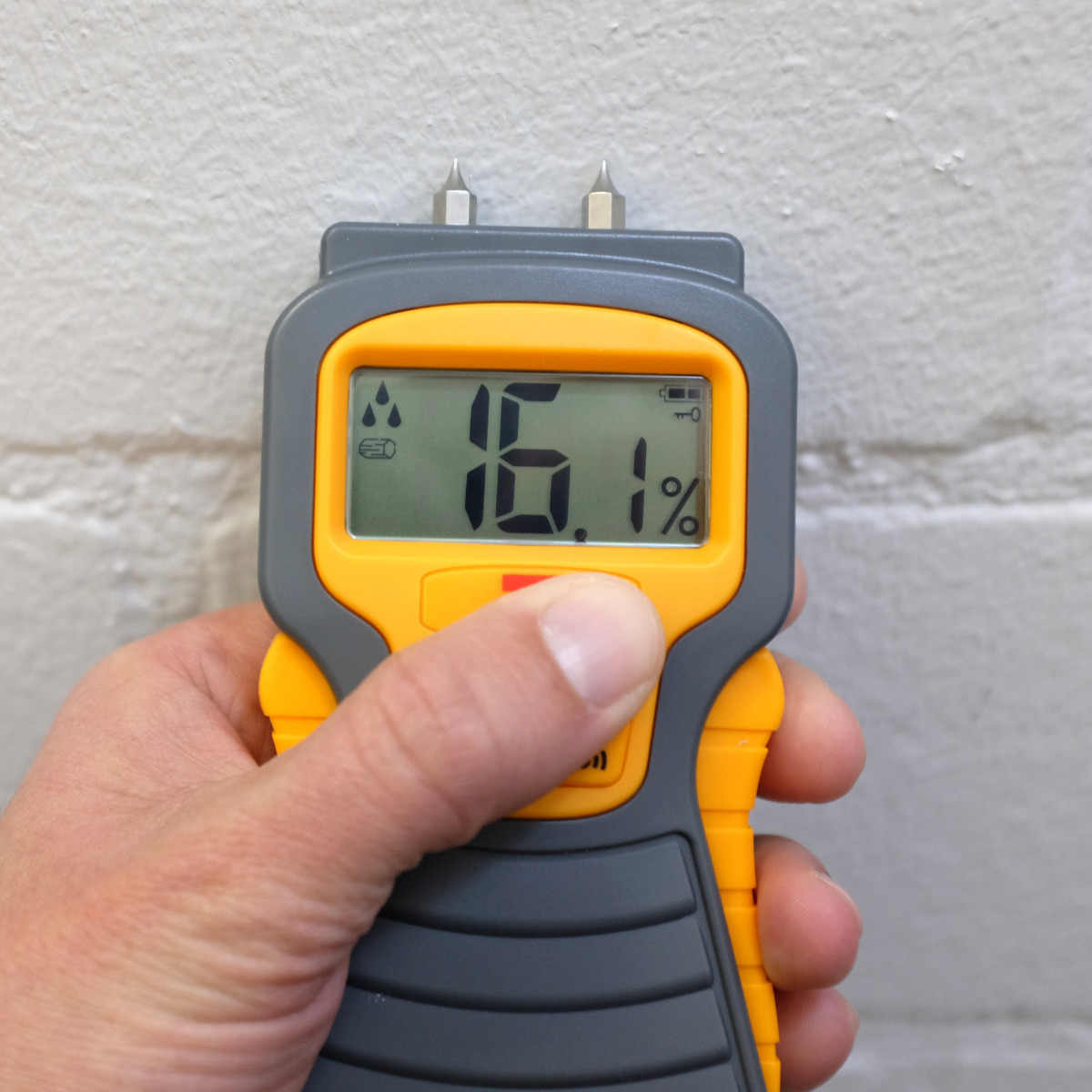
Moisture meters measure dampness in drywall, framing, and flooring.
Non-invasive meters scan large areas quickly. Pin-type meters confirm internal moisture levels.
This step helps determine:
If materials are still wet
How far moisture has spread
Whether drying is complete
Surface dryness does not confirm structural dryness.
Palm Bay Mold Removal often uses moisture mapping in Palm Bay homes to identify hurricane-related dampness before recommending further action.
Step 3: Thermal Imaging
Thermal imaging cameras detect temperature differences caused by trapped moisture.
This tool is especially useful for:
Tracing roof leaks
Identifying damp insulation
Locating hidden moisture behind walls
Detecting condensation pathways
Thermal imaging narrows down areas needing targeted attention.
Step 4: Attic and Ventilation Inspection
Attics are common mold development zones after hurricanes.
Inspection includes:
Roof decking
Insulation condition
Duct insulation
Ventilation pathways
Wind-driven rain can enter through small roof gaps and saturate insulation without immediately staining ceilings.
Poor attic ventilation allows humidity to linger longer.
Step 5: HVAC Evaluation
If the AC system was off during the storm, indoor humidity may have risen significantly.
Inspection may include:
Checking condensate drain lines
Inspecting drain pans
Replacing air filters
Evaluating duct insulation
Damp duct insulation may require further attention.
Balanced airflow supports proper drying.
How Mold Inspection Prevents Larger Damage
Identifies Hidden Contamination Early
Catching mold early prevents widespread structural impact.
If moisture is addressed promptly, remediation scope remains smaller.
Prevents Unnecessary Demolition
Inspection confirms whether staining is active or old.
Homeowners avoid removing materials unnecessarily.
Accurate detection leads to targeted repairs.
Reduces Long-Term Repair Costs
Addressing moisture before mold spreads reduces the likelihood of major drywall and insulation replacement.
Prevention is significantly more affordable than full-scale remediation.
Common Hurricane-Related Mold Scenarios in Palm Bay
Roof Leaks
Small flashing failures allow rain into attic insulation.
Moisture then spreads along framing before becoming visible indoors.
Window and Door Intrusion
Wind-driven rain may enter around seals.
Moisture can migrate beneath flooring or into wall cavities.
Elevated Humidity During Power Outages
Without AC, humidity rises quickly.
Condensation may form on cooler surfaces.
Slab Foundation Moisture
Heavy rainfall raises groundwater levels.
Moisture may migrate upward into flooring.
Professional moisture detection confirms slab-related dampness.
Preventing Mold After Hurricanes
Palm Bay homeowners can reduce risk by:
Inspecting roofs after every major storm
Checking attics for damp insulation
Monitoring indoor humidity
Flushing AC drain lines
Running dehumidifiers if power was out
Addressing even minor ceiling stains quickly
Maintaining indoor humidity below 60 percent reduces mold risk significantly.
Routine inspection after storms prevents small moisture issues from escalating.
Why Local Experience Matters
Palm Bay homes vary in construction age and roof style. Some older homes have limited attic ventilation. Newer homes may have tighter building envelopes that trap humidity.
Florida’s storm patterns create moisture behavior different from drier regions.
Professionals familiar with Brevard County construction understand common hurricane-related weak points in Palm Bay homes.
Palm Bay Mold Removal has worked extensively throughout Palm Bay and surrounding communities, helping homeowners recover from storm-related moisture issues.
Protecting Your Home After the Storm
Mold inspection in Palm Bay after hurricanes is not about reacting to visible growth. It’s about identifying hidden moisture before it becomes a larger structural problem.
Ignoring early warning signs such as musty odors or expanding stains increases repair costs over time.
By combining structured inspection, moisture detection, ventilation evaluation, and proactive maintenance, homeowners can protect their properties effectively.
In Florida’s humid, storm-prone climate, early mold inspection remains one of the most reliable steps in preventing long-term hurricane damage.