
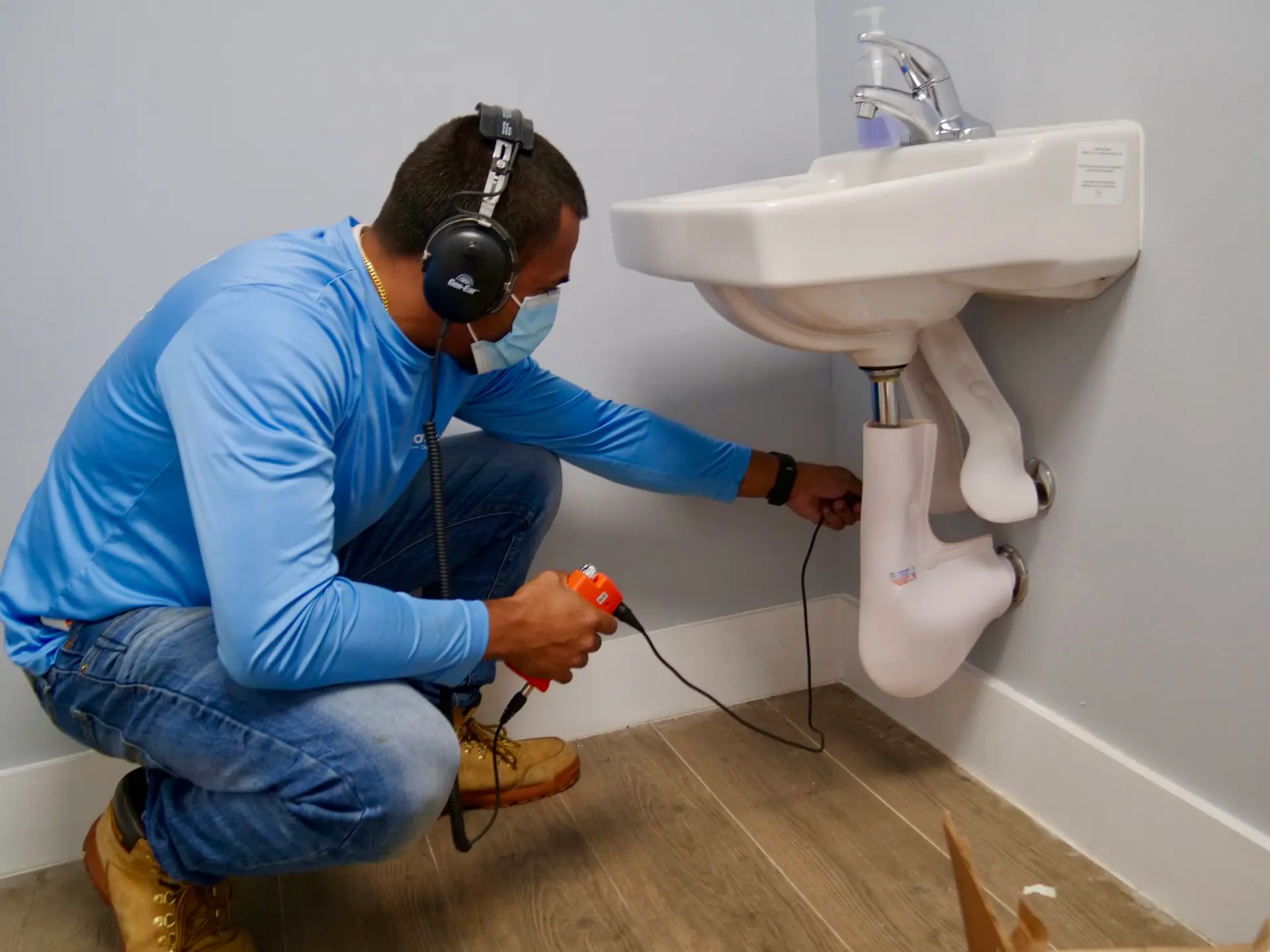
Viera Water Leak Detection in Rental Properties: How to Prevent Future Damage
Rental properties in Viera offer strong long-term value, but they also come with one consistent challenge: moisture control. Between Florida’s year-round humidity, long cooling seasons, and occasional heavy storms, water problems don’t need a dramatic event to cause damage. A slow plumbing leak or minor condensation issue can quietly affect walls, flooring, and cabinetry before anyone reports it.
In rental homes, small leaks often go unnoticed longer than they would in owner-occupied properties. Tenants may not recognize early signs, or they may delay reporting minor moisture issues. By the time staining appears, water may have already migrated beyond the visible area.
Water leak detection is one of the most effective tools for preventing long-term structural damage in Viera rental properties. Understanding how detection works — and how to prevent future leaks — helps property owners protect their investment.
Why Rental Properties in Viera Are Vulnerable to Hidden Leaks
Viera homes are often newer construction with tightly sealed building envelopes. While energy-efficient, this design can trap humidity if airflow is not balanced properly.
Common causes of leaks in rental properties include:
Supply line failures under sinks
Washing machine hose ruptures
Water heater leaks in garages
Toilet seal failures
Refrigerator water line leaks
Slab foundation plumbing issues
Clogged AC condensate lines
In Florida’s humid environment, even minor plumbing seepage can elevate indoor moisture levels quickly.
Homes in nearby Rockledge and Melbourne face similar weather exposure, but rental turnover increases the likelihood that small leaks go unreported for longer periods.
Early Warning Signs Property Owners Should Watch For
In rental properties, leak detection often starts with subtle signs:
Musty odors in specific rooms
Warped baseboards
Soft or buckling flooring
Dark staining along lower walls
Peeling paint near bathrooms
Unexplained increases in water bills
Indoor humidity staying above 60 percent
Slab leaks may also cause warm spots on tile flooring.
Early recognition prevents larger restoration costs.
Step-by-Step Water Leak Detection Process
Step 1: Verify Plumbing System Integrity
The first step is confirming whether a leak is active.
Inspection may include:
Checking under-sink plumbing
Inspecting water heater connections
Evaluating toilet bases
Testing appliance hoses
Reviewing shutoff valves
If pressure testing is necessary, it confirms whether hidden plumbing leaks are present.
Stopping the source is critical before drying begins.
Palm Bay Mold Removal often begins Viera rental property investigations by confirming the plumbing system is stable before mapping moisture spread.
Step 2: Moisture Detection and Mapping
Water rarely stays in one location.
Moisture meters measure dampness inside:
Drywall
Subfloors
Cabinet bases
Ceiling cavities
Framing
Non-invasive scanning defines wet and dry boundaries.
Pinpoint testing confirms saturation levels.
Mapping helps determine how far water has traveled.
Surface staining does not always indicate the source location.
Step 3: Thermal Imaging
Thermal imaging identifies temperature differences caused by hidden moisture.
This is especially useful for:
Tracing slab leaks
Locating moisture behind cabinets
Identifying damp insulation
Following water paths along framing
Thermal scanning narrows down areas requiring deeper inspection.
Step 4: Slab and Subfloor Evaluation
Many Viera rental homes are built on slab foundations.
When plumbing leaks occur beneath the slab, moisture may migrate upward into flooring and lower drywall sections.
Detection tools confirm slab-related dampness.
If subfloors are saturated, controlled drying must begin immediately.
How Leak Detection Prevents Future Damage
Prevents Structural Deterioration
Early detection reduces:
Drywall breakdown
Subfloor warping
Cabinet damage
Framing rot
Addressing moisture before materials deteriorate keeps repair costs manageable.
Reduces Mold Risk
Florida’s climate creates a narrow window before mold may develop.
If materials remain damp beyond 24 to 48 hours, contamination risk increases.
Moisture detection allows for prompt drying, reducing the likelihood of remediation later.
Limits Tenant Disruption
In rental properties, extended repairs mean vacancy and lost income.
Early detection minimizes the scope of restoration and shortens repair timelines.
Protecting indoor stability improves tenant satisfaction.
Controlled Drying After Leak Detection
If moisture is found, drying typically involves:
Commercial dehumidifiers
Air movers
Humidity monitoring
Airflow balancing
Indoor humidity should remain below 60 percent.
Moisture readings confirm when materials are fully dry.
Rebuilding should not begin until stability is verified.
Preventative Strategies for Viera Rental Properties
Property owners can reduce future leak damage by:
Replacing aging supply hoses proactively
Inspecting water heaters annually
Flushing AC condensate lines regularly
Installing water detection sensors under sinks
Monitoring indoor humidity
Inspecting properties between tenants
Responding immediately to reported leaks
Routine inspections catch small issues early.
Encouraging tenants to report even minor water signs prevents escalation.
HVAC and Condensation Considerations
Leak detection should also include HVAC evaluation.
High humidity combined with restricted airflow can increase condensation inside ducts and air handlers.
Inspection may include:
Drain line evaluation
Filter replacement
Duct insulation inspection
Airflow balance testing
Balanced HVAC systems reduce moisture accumulation.
Why Local Experience Matters
Viera rental properties vary in layout and mechanical configuration. Many newer homes rely on attic-installed duct systems and garage-mounted air handlers.
Florida’s humidity creates moisture behavior different from drier climates.
Professionals familiar with Brevard County housing styles understand slab foundations, plumbing layouts, and HVAC configurations common in Viera neighborhoods.
Palm Bay Mold Removal has worked throughout Viera and surrounding communities, addressing water leak detection challenges specific to Florida’s climate.
Protecting Your Investment Long-Term
Water leak detection in Viera rental properties is about more than finding a wet spot. It’s about understanding how moisture moves, correcting the source, and preventing future structural damage.
Ignoring early signs such as musty odors or warped baseboards increases long-term repair costs.
By combining accurate moisture mapping, prompt plumbing repair, controlled drying, and preventative maintenance, property owners can protect both property value and rental income.
In Florida’s humid environment, early detection remains one of the most effective tools for preventing future water damage.