
Carpet Cleaning After Flooding Services in Cocoa Beach in Residential Homes: Early Signs You Should Not Ignore
Flooding in Cocoa Beach homes doesn’t always look dramatic. Sometimes it’s a few inches of water after a coastal storm. Other times it’s wind-driven rain pushing under sliding glass doors, or a plumbing issue that soaks a single room. Either way, once water reaches carpet, time becomes the most important factor.
In Florida’s coastal climate, moisture lingers longer than most homeowners expect. Salt air, high humidity, and warm temperatures slow natural drying. Even if the surface feels dry within a day or two, the padding underneath may still be saturated.
Understanding the early warning signs after flooding can help Cocoa Beach homeowners prevent deeper structural damage, lingering odors, and mold growth.
Why Flooded Carpet Is a Bigger Issue in Cocoa Beach
Cocoa Beach sits directly along the Atlantic coast. That means higher ambient humidity compared to inland communities like Rockledge or West Melbourne.
After a flood event:
Humidity rises indoors
Evaporation slows
Moisture spreads into adjacent rooms
Subfloors absorb water quickly
Carpet and padding act like a sponge. Once saturated, they hold moisture tightly against the subfloor. In slab foundation homes, water may also migrate sideways beneath flooring.
Without proper extraction and drying, moisture can remain trapped for days.
Early Sign #1: Persistent Musty Odor
One of the first signs of incomplete drying is odor.
If a room smells damp or musty even after visible water is gone, the carpet padding likely remains wet.
Odor usually intensifies when:
The AC system turns on
The room remains closed overnight
Humidity levels rise
In Florida’s climate, odor is often the earliest indicator that moisture is still present.
Ignoring it allows conditions to worsen.
Early Sign #2: Carpet Feels Slightly Cool or Spongy
Flooded carpet may feel dry on top but damp underneath.
Pressing down firmly or walking barefoot may reveal:
A slight cool sensation
Soft or spongy padding
Subtle squishing sounds
These signs indicate that water remains trapped beneath the surface.
Surface fans alone rarely remove moisture from padding effectively.
Early Sign #3: Rippling or Buckling
When carpet padding absorbs water, it can swell unevenly.
This often causes:
Ripples across the surface
Loose or stretched areas
Edges lifting near walls
Even after surface drying, distortion may remain until padding is replaced.
Buckling suggests deeper saturation that needs professional evaluation.
Early Sign #4: Warped Baseboards or Trim
Water rarely stays contained within the carpet.
If baseboards begin to swell, separate from walls, or discolor, moisture has likely spread upward.
In Cocoa Beach homes, wind-driven rain often seeps through sliding doors and moves laterally beneath carpet before rising into drywall.
This indicates that drying must extend beyond the carpet itself.
Early Sign #5: Elevated Indoor Humidity
After flooding, indoor humidity may remain above 60 percent for extended periods.
If your HVAC system struggles to bring humidity down, trapped moisture may still be present in flooring materials.
High humidity slows drying and increases the risk of mold development.
Monitoring humidity with a hygrometer provides clear data.
What Professional Carpet Cleaning After Flooding Involves
Step 1: Immediate Water Extraction
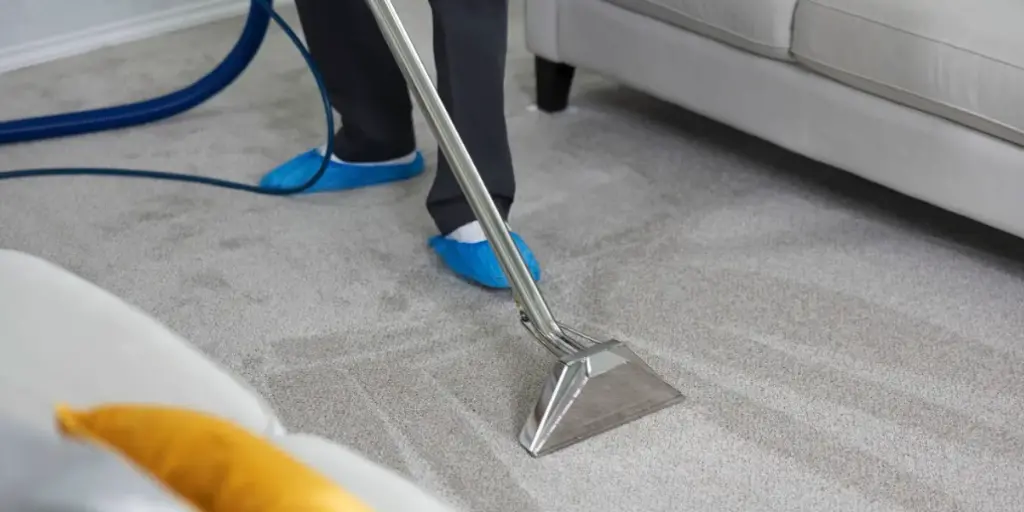
Professional extraction equipment removes significantly more water than household wet vacuums.
High-powered extraction pulls moisture from:
Carpet fibers
Padding
Surface subfloor
The faster water is removed, the higher the likelihood that carpet can be saved.
Palm Bay Mold Removal often emphasizes rapid extraction as the most critical step in preventing long-term damage in Cocoa Beach homes.
Step 2: Padding Assessment and Removal
In many flood situations, padding must be removed.
Padding holds more water than carpet fibers and dries slowly in humid climates.
Leaving saturated padding in place traps moisture against structural materials.
Removing it allows direct airflow across the subfloor.
New padding can be installed once drying is complete.
Step 3: Moisture Detection
Surface dryness is not enough.
Moisture meters measure dampness in:
Subfloors
Lower drywall sections
Baseboards
Concrete slabs
Thermal imaging may identify hidden moisture extending beyond visible areas.
Accurate readings determine when drying is complete.
Step 4: Controlled Drying and Dehumidification
Proper drying requires:
Commercial dehumidifiers
High-velocity air movers
Airflow balancing
Humidity monitoring
In Cocoa Beach’s humid coastal air, dehumidification is essential.
Drying may take several days depending on the extent of flooding.
Rushing this process often leads to recurring odor issues.
When Carpet Should Be Replaced
Replacement is often recommended if:
Floodwater was contaminated
Water remained longer than 48 hours
Odors persist after drying
Carpet backing separates
Subfloor damage is detected
Attempting to salvage heavily saturated carpet can lead to long-term moisture problems.
Professional evaluation helps determine whether cleaning or replacement is appropriate.
Mold Risk in Coastal Carpeted Homes
Florida’s climate creates a narrow window before mold can begin developing.
If materials remain damp beyond 24 to 48 hours, growth risk increases.
Carpet padding is especially vulnerable.
Early extraction and drying dramatically reduce this risk.
If musty odors persist after drying, further inspection may be needed.
HVAC and Airflow Considerations
Flooding increases indoor humidity.
HVAC systems should be inspected to ensure:
Condensate drain lines are clear
Filters are replaced
Airflow is balanced
No moisture entered duct systems
Balanced airflow supports efficient drying.
In coastal homes, ventilation plays a major role in recovery.
Preventing Future Carpet Flood Damage
While hurricanes and heavy storms can’t be prevented, homeowners can reduce risk by:
Inspecting sliding door seals annually
Maintaining roof flashing
Clearing gutters and downspouts
Monitoring indoor humidity
Addressing minor plumbing leaks immediately
Installing water detection sensors near water heaters and washing machines provides early warning before carpet becomes saturated.
Proactive maintenance limits future restoration costs.
Why Local Experience Matters
Cocoa Beach homes experience unique environmental pressures. Salt air accelerates wear on materials. Wind-driven rain enters differently than inland storms. High humidity slows natural drying.
Professionals familiar with Brevard County construction styles understand how slab foundations, coastal winds, and AC usage patterns affect moisture behavior in beachside homes.
Palm Bay Mold Removal has worked extensively throughout Cocoa Beach and surrounding coastal communities, addressing flood-related carpet damage specific to Florida’s environment.
Protecting Your Coastal Home
Carpet cleaning after flooding in Cocoa Beach is about more than appearance. It protects structural materials, prevents odor issues, and reduces the likelihood of mold growth.
Ignoring early warning signs such as musty odor, rippling carpet, or elevated humidity increases repair costs over time.
By combining rapid extraction, accurate moisture detection, controlled drying, and preventative maintenance, homeowners can protect their properties effectively.
In Florida’s humid coastal climate, early action makes the difference between simple cleaning and extensive restoration.