
How to Prevent Future Damage: Mold Inspection in West Melbourne in Residential Homes
In West Melbourne, mold problems rarely begin with something dramatic. Most start small — a slow roof leak, AC condensation buildup, minor plumbing seepage, or high indoor humidity that lingers longer than it should. In Florida’s climate, moisture does not need a major flood event to cause trouble. It only needs time.
Mold inspection is not just something you schedule after visible black staining appears. In residential homes, it’s one of the most effective tools for preventing future structural damage. A proper inspection identifies hidden moisture, pinpoints vulnerable areas, and allows homeowners to correct problems before repairs become expensive.
If you own a home in West Melbourne, understanding how mold inspection prevents future damage is one of the smartest maintenance steps you can take.
Why Mold Prevention Matters in West Melbourne
West Melbourne experiences high humidity for much of the year. Afternoon storms, heavy seasonal rain, and long cooling seasons create constant moisture pressure inside homes.
Common contributors include:
Roof flashing failures
Clogged AC condensate lines
Attic condensation
Window seal leaks
Slab foundation moisture migration
Poor bathroom ventilation
Homes in nearby Melbourne and Palm Bay deal with similar conditions, but each neighborhood’s construction age and attic ventilation style influence how moisture behaves.
The goal of mold inspection is not just finding mold — it’s identifying the moisture source before contamination spreads.
What Mold Inspection Actually Looks For
Professional mold inspection focuses on three main things:
Active mold growth
Hidden moisture
Conditions that allow mold to develop
Even if visible mold is not present, inspection may reveal elevated moisture levels that require correction.
Preventative inspection is often less costly than reactive remediation.
Palm Bay Mold Removal frequently performs residential inspections in West Melbourne to help homeowners address moisture before larger issues develop.
Step-by-Step Mold Inspection Process
Step 1: Visual Assessment
The inspection begins with a detailed walkthrough.
Professionals look for:
Ceiling staining
Peeling paint
Soft baseboards
Warped trim
Condensation around vents
Musty odors
Bathrooms, kitchens, laundry rooms, and HVAC closets receive special attention.
Attic access points are also checked.
Visual patterns often reveal where moisture may be entering.
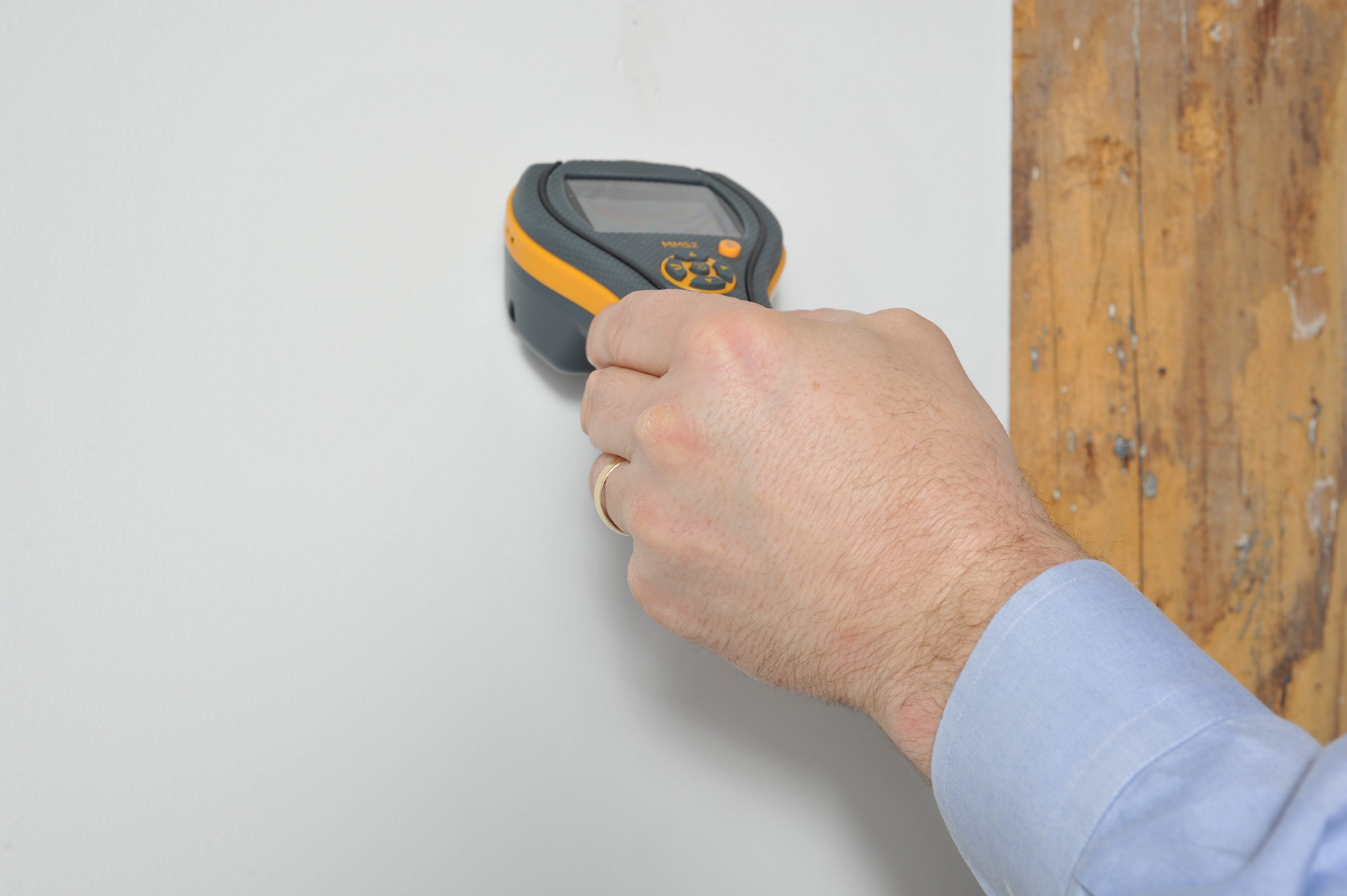
Step 2: Moisture Detection
Moisture meters are used to test drywall, framing, and flooring.
Non-invasive meters scan surfaces quickly. Pin-type meters confirm internal moisture levels.
This step helps determine:
If materials are actively wet
If moisture is old or ongoing
How far dampness has spread
Surface appearance alone is not reliable.
Step 3: Thermal Imaging
Thermal imaging cameras detect temperature variations caused by trapped moisture.
This tool is especially helpful for:
Roof leak tracing
Plumbing leaks inside walls
AC condensation around ductwork
Moisture beneath flooring
Thermal imaging narrows down hidden areas for further testing.
Step 4: Attic and Ventilation Inspection
Attics are common mold development zones in West Melbourne homes.
Inspection includes:
Roof decking
Insulation condition
Duct insulation
Soffit and ridge ventilation
Signs of condensation
If attic ventilation is insufficient, humidity can accumulate and create long-term moisture problems.
Correcting ventilation reduces future mold risk significantly.
Step 5: HVAC and Drainage Evaluation
Air conditioning systems are a major moisture source in Florida homes.
Inspection may include:
Condensate drain line flow
Drain pan condition
Air handler compartments
Duct insulation moisture
Airflow balance
Clogged drain lines often cause slow leaks that homeowners do not notice until staining appears.
Ensuring proper drainage prevents recurring problems.
How Inspection Prevents Structural Damage
Early mold inspection prevents:
Drywall deterioration
Subfloor warping
Cabinet base damage
Framing rot
Insulation collapse
When moisture is detected early, drying and minor repairs can stabilize materials before removal becomes necessary.
Ignoring small moisture issues allows them to spread silently behind walls.
Humidity Control as a Preventative Tool
West Melbourne homes should maintain indoor humidity below 60 percent.
Using a hygrometer helps track levels year-round.
If humidity remains elevated:
HVAC airflow may need adjustment
Duct leaks may be present
Attic ventilation may be inadequate
Drain lines may be partially blocked
Balancing humidity reduces condensation buildup.
Proper humidity control is one of the strongest mold prevention strategies.
When Mold Testing Is Recommended
While inspection identifies moisture and visible growth, testing may be recommended if:
Odors persist without visible mold
Occupants notice air quality changes
Moisture readings are elevated
Previous water damage occurred
Testing helps confirm whether contamination is active and whether remediation is necessary.
Not every moisture issue requires full remediation, but inspection clarifies next steps.
Preventative Maintenance Tips for West Melbourne Homeowners
To reduce future mold risk:
Inspect your roof annually.
Flush AC condensate lines regularly.
Replace HVAC filters every 1–3 months.
Seal windows and sliding doors.
Check under sinks periodically.
Inspect attic insulation after heavy storms.
Ensure bathroom exhaust fans vent properly.
Routine inspection catches small issues early.
Waiting until visible mold appears often means moisture has been present for some time.
Slab Foundations and Ground Moisture
Many West Melbourne homes are built on slab foundations.
After heavy rain, groundwater can migrate upward into flooring and lower drywall sections.
Professional moisture detection confirms whether slab-related dampness exists.
Improving exterior grading and drainage reduces recurrence risk.
Addressing slab moisture early prevents flooring damage.
Why Local Experience Matters
West Melbourne homes range from older ranch-style properties to newer subdivisions. Each has unique ventilation and plumbing layouts.
Florida’s humidity creates moisture behavior different from drier regions.
Professionals familiar with Brevard County construction styles understand common weak points in West Melbourne residential homes.
Palm Bay Mold Removal has worked extensively throughout West Melbourne and surrounding communities, helping homeowners prevent moisture-related damage before it spreads.
Protecting Your Home Long-Term
Mold inspection in West Melbourne residential homes is one of the most practical ways to prevent future structural damage.
It identifies hidden moisture before it weakens materials. It confirms whether minor issues are stable or active. It provides a roadmap for targeted repairs instead of costly guesswork.
In Florida’s humid environment, prevention is always more affordable than remediation.
By combining regular inspection, humidity control, ventilation improvements, and routine maintenance, homeowners can protect their properties long-term and avoid recurring mold problems.