
How Flood Restoration Helps Homes in Merritt Island after Storm Damage
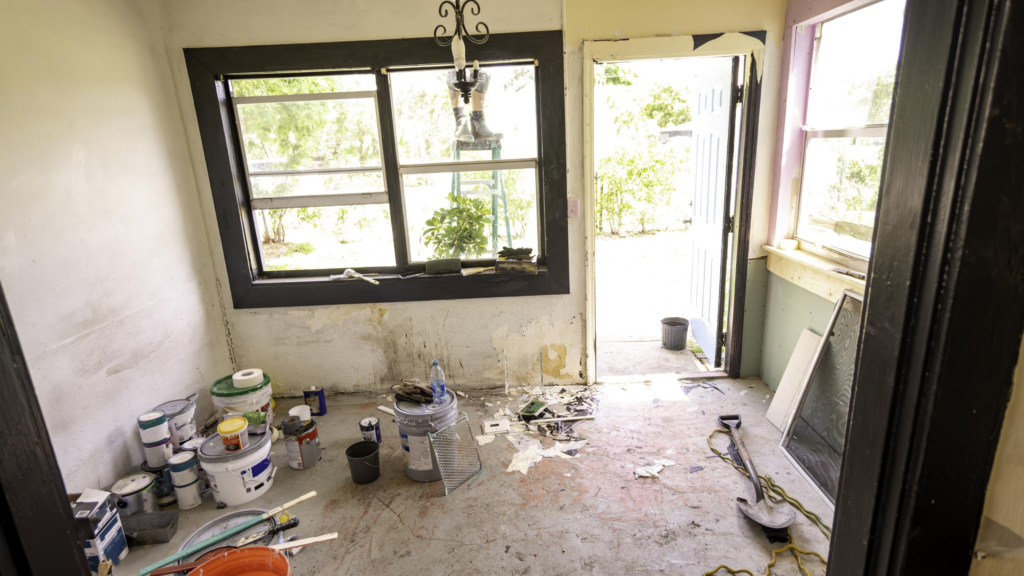
Storms moving across Merritt Island and the surrounding Brevard County communities often bring more than just heavy winds and rain. When storms stall or dump large amounts of water in a short time, homes can quickly experience flooding, roof leaks, and water intrusion that affect living spaces, crawl spaces, and structural materials.
Many property owners assume that once visible water dries up, the problem is over. In reality, storm-related flooding frequently leaves behind hidden moisture that can lead to mold growth, material deterioration, and long-term indoor air quality concerns.
Understanding how professional flood restoration works helps homeowners see why quick and thorough recovery is essential after storm damage in Merritt Island.
What Flood Damage Actually Means for a Home
Flood damage isn’t limited to standing water on floors. Storm water often enters homes through multiple pathways, including roof damage, broken windows, saturated soil pushing water through foundations, and clogged drainage systems.
Water can soak into:
- Drywall and insulation
- Flooring and subfloors
- Cabinets and built-ins
- Crawl spaces and attics
- Air ducts and HVAC systems
- Furniture and stored belongings
Even when surfaces appear dry, moisture may remain trapped inside materials. Over time, this moisture creates ideal conditions for mold growth and structural damage if restoration is delayed or incomplete.
Why Flood Damage Happens So Often in Merritt Island
Merritt Island sits in a coastal environment surrounded by water, making homes especially vulnerable during storms and hurricanes. Several local conditions increase flood risks:
- Heavy seasonal rainfall and tropical storms
- High humidity that slows drying
- Low-lying areas and water table issues
- Older drainage systems in some neighborhoods
- AC systems producing excess condensation
- Slab foundations that trap moisture beneath floors
Homes in nearby areas like Cocoa Beach, Satellite Beach, and Titusville experience similar issues due to coastal weather patterns and storm exposure.
Once water enters a property, the humid climate makes natural drying extremely difficult, increasing the need for professional restoration.
Common Signs Homeowners Notice After Storm Flooding
Some flood damage is obvious, but many problems show up days or weeks later. Homeowners often report:
- Damp or musty smells indoors
- Warped flooring or soft spots underfoot
- Peeling paint or bubbling drywall
- Stained ceilings or walls
- Persistent humidity inside the home
- Increased allergy-like reactions
- Mold spots appearing on surfaces
Because moisture often hides behind walls or under floors, many homes suffer unseen damage until mold growth becomes visible.
Hidden Sources of Post-Storm Moisture
After storms, water frequently spreads to unexpected areas. Restoration professionals often discover moisture in:
- Crawl spaces and attic insulation
- Wall cavities behind cabinets or appliances
- Inside ductwork and air handlers
- Beneath tile and laminate flooring
- Under carpet padding
- Inside closets or storage rooms
These hidden pockets of moisture are major reasons why mold problems develop after storm events.
Why DIY Cleanup Usually Falls Short
Homeowners often try to dry out homes using fans or store-bought dehumidifiers. While helpful for minor spills, these methods usually cannot remove deep moisture after flooding.
Common DIY cleanup limitations include:
- Inability to detect hidden moisture
- Insufficient drying equipment
- Failure to remove contaminated materials
- Overlooking duct and crawl space moisture
- Leaving damp insulation behind walls
Without professional tools and experience, moisture remains trapped, allowing mold and damage to continue silently.
How Professional Inspection and Testing Help
Professional restoration begins with a thorough inspection. Specialists use moisture detection tools to locate hidden water inside walls, floors, and structural materials.
Inspection typically includes:
- Thermal imaging and moisture meters
- Air and surface testing if mold is suspected
- Evaluation of affected materials
- Determining contamination levels
- Identifying moisture sources
This step ensures restoration addresses the entire problem rather than just visible damage.
The Proper Flood Restoration Process
A structured restoration approach helps homes recover safely and efficiently after storm damage.
Typical restoration steps include:
Water Extraction
High-capacity pumps and vacuums remove standing water quickly.
Removal of Damaged Materials
Severely affected materials like soaked drywall or insulation may be removed to prevent mold growth.
Professional Drying
Industrial air movers and dehumidifiers dry structural components thoroughly.
Cleaning and Sanitizing
Surfaces are disinfected to eliminate bacteria and contaminants from storm water.
Structural Repairs
Damaged materials are repaired or replaced to restore safe living conditions.
When handled correctly, restoration prevents future mold growth and structural deterioration.
Air Ducts and AC Systems After Flooding
HVAC systems often suffer unnoticed storm damage. Flooding and humidity can allow mold to grow inside duct systems or air handlers.
Signs ducts or AC units may be affected include:
- Musty odors when AC runs
- Reduced airflow
- Increased dust accumulation
- Indoor humidity problems
Professional inspection and duct cleaning remove contamination and help prevent mold from spreading through indoor air systems.
Preventing Mold After Flood Restoration
Once restoration is complete, homeowners can take steps to reduce future risks:
- Maintain gutters and roof drainage systems
- Seal foundation cracks promptly
- Service AC systems regularly
- Improve attic and crawl space ventilation
- Monitor indoor humidity levels
- Address leaks immediately
- Schedule routine moisture inspections
Homes that stay dry and well ventilated are far less likely to experience recurring mold problems.
Why Local Restoration Experience Matters
Storm damage affects homes differently across Brevard County. A house in Merritt Island may experience moisture challenges unlike homes in Melbourne, Rockledge, or Viera due to location, elevation, and construction style.
Professionals familiar with local conditions understand:
- Coastal weather patterns
- Common building materials used locally
- Moisture behavior in slab homes
- Crawl space and attic challenges
- Flood-prone neighborhood patterns
This local knowledge helps restoration efforts focus on long-term solutions rather than temporary fixes.
Homeowners across Merritt Island and nearby communities often rely on experienced companies such as Palm Bay Mold Removal because they understand how regional weather and construction practices influence moisture and mold problems.
Taking the Right Steps After Storm Damage
After a storm, many homeowners feel overwhelmed and unsure where to begin. The key is addressing water damage quickly before hidden moisture leads to mold or structural issues.
Professional flood restoration not only removes water but also restores safe living conditions and helps protect homes from future damage.
If your home has experienced flooding or storm-related water intrusion, scheduling an inspection can provide clarity and help prevent small issues from becoming major repairs.
Acting early allows families to restore comfort, safety, and peace of mind while protecting their property investment for years to come.
Photorealistic interior of a Merritt Island home living room with storm flood water damage, wet drywall and flooring, professional drying equipment in place, natural lighting, no people, no logos, clean realistic restoration environment.
High-detail residential crawl space after storm flooding showing damp soil, exposed foundation, and moisture drying equipment positioned for restoration, realistic textures, natural lighting, no people, professional restoration scene.
Realistic attic space in a coastal Florida home showing water intrusion from storm roof damage, wet insulation and structural beams being dried with restoration equipment, natural lighting, no people, no text or branding.