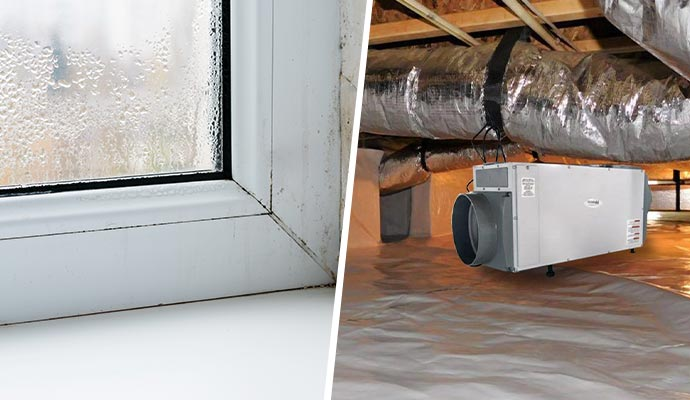
How Water Leak Detection Helps Homes in Rockledge After Water Damage
Water damage in homes located in Rockledge can happen quickly and silently. Leaks from plumbing systems, roof damage, or AC condensation often go unnoticed until significant structural damage or mold growth has already occurred. Early detection of water leaks is crucial for preserving the integrity of the home, preventing costly repairs, and maintaining healthy indoor air quality.
Building on lessons from Rockledge AC mold cleaning after water damage, this guide provides homeowners with a comprehensive understanding of water leak detection in Rockledge homes. It explores causes, warning signs, detection methods, benefits, and preventive strategies for protecting property after water damage.
Understanding Water Damage Risks in Rockledge
Water damage in homes can affect multiple areas:
- Structural components: Wooden framing, drywall, and flooring weaken when exposed to prolonged moisture.
- HVAC systems: Water intrusion can create mold-friendly environments in air ducts, air handlers, and drip pans.
- Indoor air quality: Moisture encourages mold and bacterial growth, leading to health risks and musty odors.
- Electrical systems: Leaks near wiring or outlets can pose fire hazards or short circuits.
Even minor leaks left unaddressed can escalate into widespread damage and costly repairs.
Common Causes of Water Leaks in Rockledge Homes
Several factors contribute to water leaks in coastal homes:
- Plumbing issues: Leaking pipes, loose fittings, and aging plumbing materials.
- Roof leaks: Damaged shingles, poor flashing, or storm damage allowing water to enter attics.
- AC condensation: Clogged or malfunctioning condensate lines lead to dripping water.
- Appliance leaks: Water heaters, dishwashers, washing machines, and refrigerators can leak over time.
- Foundation or grading problems: Poor drainage around the foundation allows water intrusion.
Understanding the source of leaks is essential for timely repair and water damage prevention.
Early Warning Signs of Water Leaks
Homeowners should monitor for subtle indicators of leaks:
- Persistent damp or musty odors
- Stains or discoloration on ceilings, walls, or floors
- Warping or buckling of flooring or baseboards
- Increased water bills without apparent reason
- Dripping sounds or pooling water near appliances, plumbing, or walls
- Reduced HVAC efficiency or visible moisture in air ducts
Recognizing these signs early allows for prompt action before structural or microbial damage develops.
Step 1: Professional Inspection
Professional water leak detection ensures accurate identification of hidden issues:
Visual Assessment
Technicians inspect plumbing, roofs, HVAC systems, and foundation areas for signs of leaks.
Moisture Detection Tools
- Moisture meters measure water content in walls, floors, and ceilings.
- Infrared cameras detect hidden moisture behind walls and under flooring.
- Acoustic leak detectors identify leaks in pressurized pipes.
Air and Surface Testing
Air sampling identifies mold spores or elevated humidity levels resulting from undetected leaks.
Documentation
Detailed inspection reports provide homeowners with a clear roadmap for repairs and insurance claims.
Step 2: Leak Source Identification
Accurate identification of the leak source is critical:
- Plumbing leaks may require camera inspection of pipes behind walls.
- AC-related leaks are traced through condensate lines, drip pans, and HVAC components.
- Roof leaks are inspected from both interior ceiling stains and exterior roofing surfaces.
- Foundation or slab leaks may require water pressure testing and moisture mapping.
Pinpointing the origin ensures targeted repairs and prevents recurring water intrusion.
Step 3: Water Leak Repair
Once detected, water leaks should be repaired promptly:
- Replace or repair damaged plumbing lines, joints, or fixtures
- Seal roof penetrations, replace damaged shingles, and repair flashing
- Clean and repair HVAC drip pans, condensate lines, and ductwork
- Correct grading or foundation issues to divert water away from the home
Timely repair reduces damage, protects structural components, and improves indoor air quality.
Step 4: Drying and Restoration
After leaks are repaired, affected areas require drying and restoration:
- Industrial air movers and dehumidifiers remove moisture from walls, floors, and crawlspaces
- Damaged materials like wet drywall, insulation, or carpet padding may need replacement
- HVAC systems and ductwork should be cleaned to prevent mold regrowth
Complete drying ensures long-term prevention of mold and microbial contamination.
Hidden Areas Often Overlooked
Leaks can affect areas that are not immediately visible:
- Behind walls, under flooring, and under cabinets
- Attics, crawlspaces, and subfloor areas
- HVAC ductwork and air handlers
- Water heater closets or appliance enclosures
Professional detection ensures even hidden leaks are addressed.
Benefits of Professional Water Leak Detection
Investing in professional leak detection offers several advantages:
- Prevents extensive structural damage and costly repairs
- Reduces risk of mold growth and associated health hazards
- Preserves indoor air quality and comfort
- Minimizes insurance claims disputes by documenting issues
- Extends the lifespan of plumbing, HVAC systems, and building materials
Early intervention helps homeowners maintain safe and resilient homes.
Costs of Water Leak Detection and Repair
Costs vary depending on leak type, location, and severity:
- Basic leak detection using moisture meters or visual inspection: $150–$400
- Advanced detection including infrared cameras or pipe inspections: $400–$800
- Repairs including plumbing, roofing, or HVAC work: $500–$3,000+
Addressing leaks early reduces total costs and prevents more extensive damage.
Preventive Measures for Homeowners
To minimize water leaks and protect homes:
- Conduct routine inspections of plumbing, roofing, and AC systems
- Clear gutters, downspouts, and drainage around the foundation
- Maintain HVAC systems, including condensate lines and drip pans
- Use water alarms or leak detection sensors in high-risk areas
- Monitor humidity levels and use dehumidifiers in damp spaces
- Schedule professional inspections after storms or heavy rainfall
Preventive maintenance ensures long-term water protection and improved indoor air quality.
Why Local Expertise Matters
Rockledge homeowners benefit from local expertise due to Florida’s coastal climate:
- Technicians understand common leak sources in humid and storm-prone areas
- Advanced equipment detects hidden leaks behind walls, flooring, and HVAC systems
- Preventive strategies are tailored to local home construction, roofing, and plumbing
- Timely professional intervention reduces long-term damage, mold growth, and repair costs
Local experts like Palm Bay Mold Removal combine experience, tools, and regional knowledge for effective water leak detection.
Practical Steps for Homeowners
- Monitor ceilings, walls, and floors for dampness or discoloration.
- Watch for musty odors or unusual HVAC performance.
- Schedule professional leak detection if any warning signs appear.
- Repair identified leaks promptly, whether plumbing, roofing, or AC-related.
- Dry and restore affected areas completely using dehumidifiers and air movers.
- Clean HVAC ducts and replace wet materials to prevent mold regrowth.
- Implement preventive strategies, including routine inspections and water alarms.
- Schedule periodic check-ups to ensure leaks are identified before significant damage occurs.
Following these steps ensures homes in Rockledge remain safe, healthy, and structurally sound after water damage.
Final Thoughts
Water leak detection in Rockledge is essential for preventing structural damage, preserving indoor air quality, and protecting residents’ health. Professional inspection, leak repair, drying, and preventive strategies address both visible and hidden issues effectively.
Building on lessons from Rockledge AC mold cleaning after water damage, homeowners can appreciate the value of early detection, local expertise, and proactive maintenance. Investing in professional leak detection ensures long-term home safety, comfort, and resilience.