
How Water Damage Restoration Helps Homes in Rockledge in Humid Summers
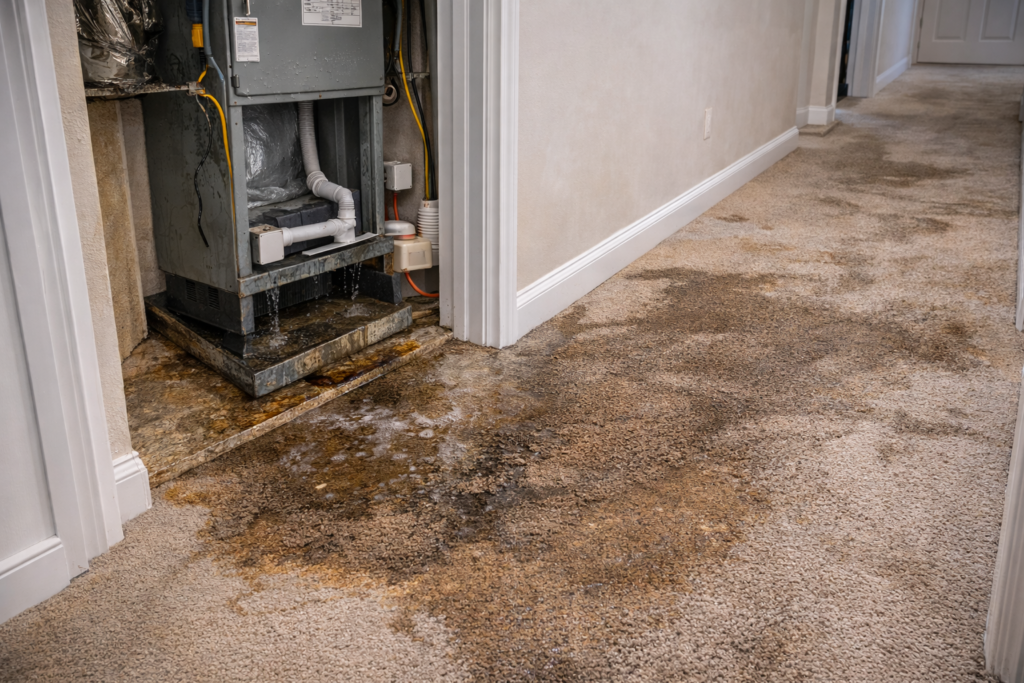
Summer in Rockledge brings warm weather, long daylight hours, and frequent afternoon storms. While residents enjoy coastal living along the Space Coast, homeowners know that summer also marks the season when water damage risks increase. Humid air, heavy rainfall, and constant air conditioning use combine to create moisture challenges that can quickly lead to property damage if not handled properly.
Water damage restoration plays a vital role in helping Rockledge homes recover from leaks, flooding, and hidden moisture issues during humid summers. Understanding how restoration works and why quick action matters can help homeowners protect their properties and avoid long-term problems.
Why Water Damage Happens More Often in Rockledge Summers
Rockledge and nearby Brevard County communities experience high humidity throughout much of the year, but summer intensifies moisture problems. The combination of heat, humidity, and storms creates ideal conditions for water intrusion.
Several seasonal factors contribute to increased water damage risk:
- Heavy afternoon thunderstorms
- Tropical weather systems and hurricanes
- Roof leaks exposed during intense rainfall
- Windows and doors allowing wind-driven rain inside
- AC systems running continuously and producing condensation
- High groundwater levels during rainy months
- Plumbing failures caused by increased household usage
In coastal environments, moisture does not dry quickly. Even small water intrusions can remain trapped in building materials, allowing damage to spread over time.
What Water Damage Looks Like Inside Homes
Water damage isn’t always dramatic flooding. In many Rockledge homes, it begins subtly and becomes noticeable only after moisture spreads.
Common signs homeowners notice include:
- Damp or musty odors indoors
- Carpet or flooring feeling wet or soft
- Ceiling or wall stains
- Peeling paint or bubbling drywall
- Warped baseboards or cabinets
- Higher indoor humidity than usual
- Mold-like spots near vents or walls
- AC systems struggling to maintain comfort
These symptoms often appear days or weeks after the initial water intrusion.
Hidden Damage Is Often the Bigger Problem
In humid climates like Rockledge, moisture often travels away from the original leak before it becomes visible. Water may move through insulation, framing, or flooring materials.
Common hidden moisture areas include:
- Beneath carpet and padding
- Inside wall cavities
- Under laminate or vinyl flooring
- Around HVAC ducts
- Inside ceilings beneath attic spaces
- Behind kitchen or bathroom cabinets
- Utility closets with AC equipment
Because moisture remains trapped, mold growth and structural damage can develop without homeowners realizing it.
Why Immediate Restoration Matters in Humid Weather
Humidity slows the drying process. Materials that might dry quickly in drier climates stay wet longer in Florida homes. Within 24 to 48 hours, wet materials may begin supporting mold growth.
Delaying restoration can lead to:
- Mold contamination
- Wood rot and structural damage
- Persistent indoor odors
- Flooring failure or lifting
- Increased repair costs
- Reduced indoor air quality
Immediate restoration limits damage and prevents moisture from spreading further.
The Water Damage Restoration Process Explained
Professional restoration teams follow a structured process designed to remove moisture completely and return homes to safe conditions.
Step 1: Inspection and Moisture Detection
Technicians inspect the property using moisture meters and infrared imaging to locate all affected areas. Visible damage often represents only part of the problem.
Step 2: Water Extraction
Industrial extraction equipment removes standing water from floors, carpets, and materials. Quick removal reduces absorption into structures.
Step 3: Removal of Damaged Materials
Some materials cannot be saved and must be removed, including soaked carpet padding, drywall, or insulation.
Step 4: Structural Drying
Commercial air movers and dehumidifiers are positioned strategically to dry walls, floors, and hidden cavities. This stage often lasts several days depending on damage severity.
Step 5: Cleaning and Sanitizing
Surfaces are cleaned and sanitized to remove contaminants introduced by flooding, preventing odors and microbial growth.
Step 6: Repair and Restoration
After drying is complete, repairs restore damaged walls, flooring, and finishes, returning the home to its original condition.
This structured process ensures moisture does not remain hidden inside the home.
AC Systems: A Common Summer Water Damage Source
In Rockledge homes, many summer water damage incidents originate from air conditioning systems rather than storms.
AC systems remove humidity from indoor air, producing condensation continuously. When condensate drain lines clog or overflow, water may leak into:
- Utility closets
- Ceilings below attic air handlers
- Walls surrounding AC units
- Flooring near indoor systems
Because these leaks often occur slowly, homeowners may not notice them until damage becomes extensive.
Regular HVAC maintenance helps prevent these issues.
Mold Risks After Water Damage
One of the biggest concerns after water damage is mold growth. Humid summer conditions combined with wet materials create an ideal environment for mold.
Mold may develop:
- Under wet carpeting
- Inside wall cavities
- Within attic insulation
- Inside HVAC systems
Professional restoration helps remove moisture and prevents microbial growth from spreading through the home.
Cost Factors for Summer Water Damage Restoration
Restoration costs vary based on damage severity and response time. Factors influencing cost include:
- Size of affected area
- Length of time materials remained wet
- Flooring and wall damage
- Mold presence
- Structural repair needs
Early restoration generally keeps repair costs lower. Insurance may cover sudden water damage, although gradual leaks sometimes fall under maintenance responsibilities.
Preventing Water Damage During Humid Summers
Homeowners in Rockledge can reduce water damage risks by taking preventative steps:
- Inspect roofs before storm season
- Maintain gutters and drainage systems
- Seal windows and doors properly
- Schedule annual HVAC maintenance
- Keep condensate drain lines clear
- Monitor indoor humidity levels
- Address small leaks immediately
- Use dehumidifiers in problem areas
Preparation and maintenance reduce restoration costs and stress.
Why Local Restoration Experience Matters
Homes throughout Rockledge share similar construction styles and environmental challenges. Coastal humidity, frequent storms, and heavy AC use affect how water damage develops locally.
Professionals familiar with Brevard County homes understand these conditions and tailor restoration methods accordingly. Palm Bay Mold Removal regularly assists homeowners across Rockledge and nearby communities, applying local expertise to resolve moisture issues efficiently.
A Practical Next Step for Rockledge Homeowners
If your home experiences leaks, damp flooring, or storm-related moisture during summer, scheduling a professional inspection early can prevent larger problems later. Water damage restoration works best when started quickly before moisture spreads through the home.
Restoring a home after water damage is about more than repairs—it protects comfort, structural safety, and long-term property value. With proper restoration, families in Rockledge can continue enjoying coastal living even through the most humid summer months.