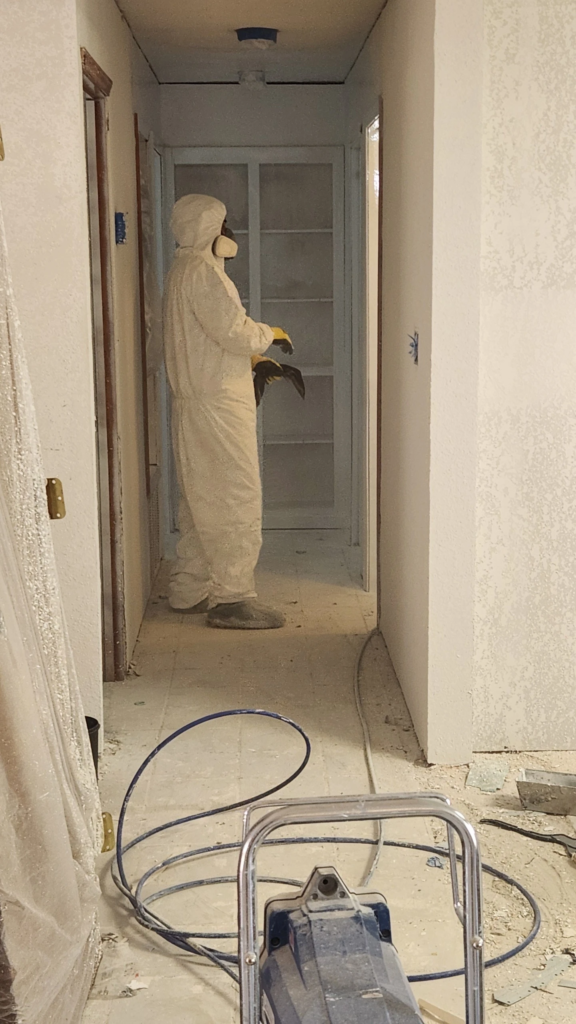
Warning Signs and Prevention: Indoor Air Quality Improvement in Melbourne After Flooding
Flooding in Melbourne can significantly affect indoor air quality, leaving homeowners with lingering odors, mold growth, and compromised living conditions. High humidity, stormwater intrusion, and water-damaged building materials create an environment where allergens, mold spores, and bacteria thrive.
Building on lessons from Viera duct cleaning in coastal homes, this guide provides homeowners with a detailed approach to identifying warning signs, improving indoor air quality, and preventing long-term damage after flooding. It covers causes, early indicators, remediation methods, preventive strategies, and long-term maintenance for Florida homes.
Understanding Indoor Air Quality Challenges After Flooding
Floodwaters carry contaminants that penetrate carpets, walls, insulation, and HVAC systems, reducing indoor air quality:
- Mold and mildew growth: Moisture from flooding promotes microbial colonization on porous surfaces.
- Dust and debris accumulation: Sediment, silt, and organic matter settle on floors and in HVAC systems.
- Bacterial contamination: Stagnant water and flood debris introduce bacteria and potential pathogens.
- Chemical pollutants: Floodwaters can carry cleaning agents, pesticides, or other chemicals into homes.
The combination of these factors creates health risks, musty odors, and structural concerns if not addressed promptly.
Common Causes of Indoor Air Quality Issues After Flooding
Several factors contribute to poor indoor air quality in Melbourne homes following floods:
- Prolonged moisture exposure: Flooded carpets, flooring, and drywall retain water if not quickly removed.
- HVAC contamination: Ducts, vents, and air handling units can harbor debris, spores, and moisture.
- Poor ventilation: Limited airflow traps moisture, promoting mold and mildew growth.
- Neglected cleaning: Delays in flood cleanup allow contaminants to multiply.
- High humidity: Florida’s coastal climate intensifies moisture retention even after water is removed.
Identifying the root causes allows homeowners to take appropriate remediation steps.
Early Warning Signs of Indoor Air Quality Problems
Homeowners should watch for these indicators:
- Musty or damp odors throughout the home
- Visible mold growth on walls, ceilings, or flooring
- Water stains or peeling paint
- Condensation on windows, doors, or HVAC components
- Increased allergy or respiratory symptoms among residents
- Dust or debris accumulating in vents and air ducts
Early recognition ensures timely intervention, reducing long-term damage and health risks.
Step 1: Professional Inspection
A comprehensive inspection identifies hidden and visible air quality issues:
Visual Assessment
Technicians examine flooded areas, walls, ceilings, flooring, and HVAC components for moisture and mold.
Moisture and Mold Detection
- Moisture meters measure water content in structural materials.
- Infrared cameras detect hidden wet areas behind walls and under floors.
- Air sampling identifies mold spores, allergens, and bacteria levels.
Documentation
Inspection reports provide a roadmap for restoration and support insurance claims.
Step 2: Water Extraction and Drying
Removing water quickly is crucial to prevent microbial growth:
- Extraction equipment: Industrial pumps and wet/dry vacuums remove standing water from carpets, flooring, and subflooring.
- Subfloor and wall drying: Air movers and dehumidifiers eliminate moisture in hidden areas.
- Continuous monitoring: Moisture levels are tracked to ensure all materials are fully dry.
Rapid drying prevents mold, mildew, and odor problems that compromise indoor air quality.
Step 3: Cleaning and Sanitization
After water removal, thorough cleaning restores indoor air quality:
Surface Cleaning
Walls, floors, and structural materials are cleaned to remove contaminants.
Antimicrobial Treatments
EPA-approved antimicrobials prevent mold, bacteria, and microbial regrowth.
HVAC Cleaning
Ducts, vents, and air handling units are sanitized to prevent spore circulation.
Odor Control
Specialized solutions remove musty odors from carpets, floors, and walls.
Hidden Areas Often Overlooked
Floodwaters can affect areas that may not be immediately visible:
- Under carpets and padding
- Within walls, insulation, and baseboards
- HVAC ducts and air handler units
- Crawl spaces and attics
Professional inspection and cleaning ensure these areas are addressed to fully restore air quality.
Health Implications
Poor indoor air quality after flooding can affect residents’ health:
- Allergic reactions like sneezing, coughing, and watery eyes
- Asthma flare-ups and respiratory irritation
- Exposure to bacteria or mold spores affecting immune-compromised individuals
- Persistent musty odors reducing comfort
Addressing these issues promptly protects both health and home livability.
Costs of Indoor Air Quality Restoration
Costs depend on the severity of contamination and size of the home:
- Basic inspection and localized cleaning: $400–$900
- Moderate damage with antimicrobial treatment and duct cleaning: $900–$2,000
- Extensive restoration including structural repairs, HVAC sanitization, and moisture control: $2,500+
Early intervention reduces costs and prevents long-term structural and health consequences.
Preventive Measures for Homeowners
To maintain indoor air quality after floods:
- Conduct regular inspections of HVAC systems, ducts, and vents
- Dry flooded areas promptly using air movers and dehumidifiers
- Replace wet carpets, padding, or insulation if necessary
- Use mold-resistant building materials and flooring where possible
- Maintain roof, gutters, and drainage to prevent future flooding
- Monitor humidity levels and use dehumidifiers in high-humidity zones
- Schedule routine inspections for mold, moisture, and air quality issues
Proactive strategies ensure healthy living conditions and minimize the impact of future flooding.
Why Local Expertise Matters
Melbourne homes face unique flood and humidity challenges due to Florida’s climate:
- Local technicians understand common flood entry points and structural vulnerabilities
- Professionals can detect hidden moisture and microbial growth efficiently
- Preventive strategies are tailored to Florida homes, accounting for humidity, storms, and older construction
- Timely intervention minimizes damage, restores safe air quality, and reduces long-term costs
Companies like Palm Bay Mold Removal offer the expertise and tools needed for effective post-flood air quality improvement.
Practical Steps for Homeowners
- Inspect walls, floors, carpets, and HVAC systems after flooding.
- Schedule professional inspection if water or moisture is detected.
- Extract water and dry all affected areas completely.
- Clean and sanitize surfaces and HVAC components.
- Apply antimicrobial treatments to prevent mold and bacterial growth.
- Repair structural damage and address roofing or plumbing issues.
- Implement preventive strategies: regular HVAC maintenance, dehumidifiers, flood prevention, and routine inspections.
- Monitor indoor air quality consistently to prevent recurring issues.
Following these steps ensures that homes maintain safe, healthy air quality after flood events.
Final Thoughts
Indoor air quality improvement after flooding is critical for Melbourne homeowners to protect health, prevent mold growth, and restore comfortable living environments. Professional inspection, cleaning, drying, and preventive strategies address both visible and hidden damage effectively.
Building on lessons from Viera duct cleaning in coastal homes, property owners can appreciate the value of early detection, local expertise, and proactive maintenance. Investing in professional restoration ensures long-term comfort, safety, and structural integrity for Florida homes.