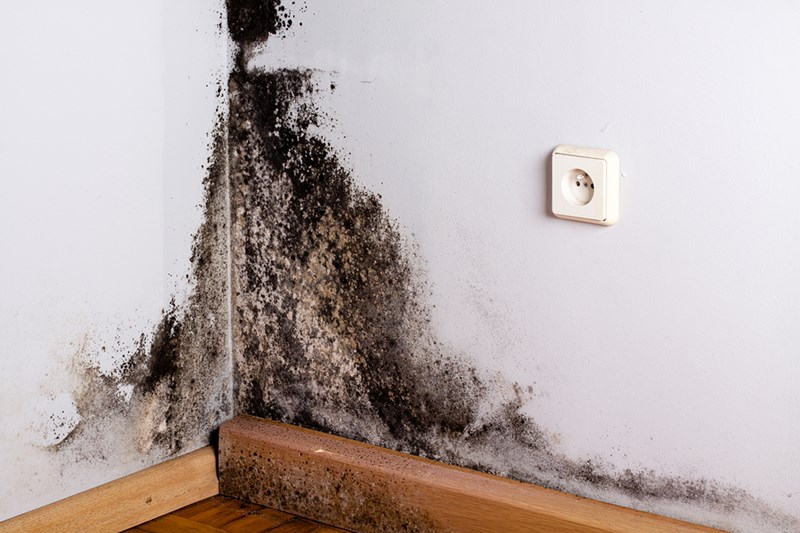
Black Mold Removal in Satellite Beach in Coastal Homes: Professional Tips for Property Owners
Coastal homes in Satellite Beach face unique challenges when it comes to black mold. The combination of high humidity, salt-laden air, and occasional flooding creates the perfect environment for mold growth. Black mold (Stachybotrys chartarum) is particularly concerning because it can spread quickly on damp surfaces and damage both building materials and indoor air quality.
Building on lessons from Satellite Beach carpet cleaning after roof leaks, this guide provides homeowners with a professional approach to identifying, removing, and preventing black mold in coastal properties. It covers causes, early warning signs, professional removal processes, hidden problem areas, and preventive strategies tailored for the Florida coast.
Understanding Black Mold Risks in Coastal Homes
Black mold thrives in environments that are damp, warm, and poorly ventilated. Coastal homes are especially vulnerable due to:
- High humidity year-round
- Salt air that accelerates material degradation
- Frequent storms and occasional flooding
- Condensation from AC units and plumbing
Unchecked black mold can spread through walls, ceilings, flooring, and even HVAC systems, posing structural and air quality risks.
Common Causes of Black Mold in Satellite Beach Homes
Several factors contribute to mold growth in coastal homes:
- Humidity accumulation: Moisture in the air settles on walls, ceilings, and floors, creating ideal conditions for mold growth.
- Water intrusion: Storms, flooding, or roof leaks allow water to penetrate structural materials.
- AC condensation: Poorly maintained or clogged condensate lines can drip water into attics, walls, or crawlspaces.
- Poor ventilation: Coastal homes often have enclosed spaces like attics and crawlspaces with limited airflow, trapping moisture.
- Aging construction materials: Older homes with porous materials like wood, drywall, and insulation are more prone to mold colonization.
Identifying the source of moisture is crucial for effective black mold removal.
Early Warning Signs of Black Mold
Property owners should watch for the following indicators:
- Musty or earthy odors, particularly in attics, crawl spaces, or behind walls
- Discoloration or black spots on walls, ceilings, or floors
- Water stains or peeling paint
- Condensation on windows, pipes, or ductwork
- Health symptoms like persistent allergies, coughing, or eye irritation among residents
- Damp or wet areas that persist after storms or plumbing leaks
Early detection helps prevent extensive contamination and costly repairs.
Step 1: Professional Mold Inspection
A thorough inspection is critical for identifying both visible and hidden mold:
Visual Assessment
Technicians examine areas prone to moisture, including:
- Walls, ceilings, and flooring
- Attics, crawl spaces, and basements
- HVAC ducts and air handling units
- Behind cabinets and appliances
Moisture Detection
- Moisture meters measure elevated water content in building materials.
- Infrared cameras detect hidden damp areas.
- Hygrometers assess indoor humidity levels.
Air and Surface Sampling
Air samples and swabs help identify mold species and inform removal strategies.
Documentation
A detailed report provides a roadmap for remediation and supports insurance claims.
Step 2: Containment and Safety
During black mold removal, containment prevents cross-contamination:
- Seal off affected areas with plastic sheeting
- Turn off HVAC systems to prevent spore distribution
- Technicians wear protective clothing, gloves, and respirators
- Furniture and personal items are protected or removed
Proper containment ensures a safe, efficient remediation process.
Step 3: Black Mold Removal and Remediation
Professional removal restores structural integrity and prevents regrowth:
Removal of Contaminated Materials
- Porous materials like drywall, insulation, and carpet padding are often removed.
- Wood framing and structural components may be cleaned and treated.
Surface Cleaning and Disinfection
- EPA-approved antimicrobial solutions are applied to walls, floors, and structural elements.
- HVAC ducts and vents are cleaned if contamination is detected.
Drying and Dehumidification
- Industrial air movers and dehumidifiers remove residual moisture.
- Continuous monitoring ensures areas are completely dry before repairs.
Structural Repairs
- Replace removed drywall, insulation, or flooring
- Seal leaks in plumbing, roofing, or AC lines
- Restore HVAC components for proper airflow
Professional remediation addresses both visible and hidden mold.
Hidden Areas Often Overlooked
Black mold can grow in concealed locations:
- Attic cavities and roof joists
- Crawl spaces and subflooring
- Behind cabinets or baseboards
- Flexible or insulated HVAC ducts
Advanced detection tools and local knowledge are essential to uncover these hidden problem areas.
Health Implications
Black mold exposure can impact indoor air quality and resident health:
- Allergic reactions like sneezing, coughing, or itchy eyes
- Asthma flare-ups and respiratory irritation
- Musty odors reducing comfort
- Long-term exposure increasing susceptibility to respiratory infections
Professional inspection and removal protect both the property and its occupants.
Costs of Black Mold Removal
Costs depend on the severity and extent of contamination:
- Basic inspection and small-area remediation: $500–$1,500
- Moderate remediation including drywall removal and treatment: $1,500–$5,000
- Extensive remediation with structural repairs and HVAC cleaning: $5,000+
Early detection minimizes costs and prevents extensive property damage.
Preventive Measures for Coastal Homes
Property owners can reduce mold risks with proactive strategies:
- Conduct regular roof, gutter, and plumbing inspections
- Maintain HVAC systems and ensure proper condensate drainage
- Improve attic, crawl space, and overall home ventilation
- Install dehumidifiers in high-humidity areas
- Use mold-resistant materials for flooring and insulation
- Schedule routine mold inspections and cleaning, especially after storms
Preventive measures help maintain indoor air quality, structural integrity, and long-term property value.
Why Local Expertise Matters
Satellite Beach homes face unique challenges due to Florida’s coastal climate:
- Technicians understand structural vulnerabilities in coastal homes
- Local knowledge helps detect hidden moisture and mold efficiently
- Preventive strategies are tailored to high humidity, storms, and older construction
- Timely professional intervention minimizes damage and health risks
Local experts like Palm Bay Mold Removal combine advanced tools with regional experience to provide effective black mold removal.
Practical Steps for Property Owners
- Inspect attics, crawl spaces, and HVAC systems for moisture and mold.
- Schedule a professional mold inspection if black mold is suspected.
- Contain affected areas during remediation to prevent spore spread.
- Remove or clean contaminated materials thoroughly.
- Dry and dehumidify all areas completely.
- Repair structural damage, roofing, and AC or plumbing issues.
- Implement preventive strategies: ventilation, dehumidifiers, routine inspections, and storm preparedness.
- Monitor indoor air quality and humidity levels consistently.
Following these steps ensures homes remain safe, healthy, and protected against future black mold growth.
Final Thoughts
Black mold removal in coastal homes is critical to protect indoor air quality, prevent structural damage, and ensure resident health. Professional inspection, remediation, and preventive measures address both visible and hidden contamination effectively.
Building on lessons from Satellite Beach carpet cleaning after roof leaks, homeowners can see the value of early detection, local expertise, and proactive maintenance. Investing in professional black mold removal ensures safe, comfortable, and resilient coastal homes.