
How Mold Testing Helps Homes in Viera from AC Condensation
In Viera, air conditioning systems run for most of the year. Between high humidity, warm temperatures, and long cooling seasons, your AC does more than cool the air — it constantly removes moisture from it. When that moisture drains properly, everything works as designed.
When it doesn’t, problems start quietly.
AC condensation is one of the most common causes of hidden moisture buildup in Viera homes. And because the source is mechanical rather than storm-related, it often goes unnoticed. That’s where mold testing becomes valuable.
Mold testing doesn’t just confirm whether mold is present. It helps determine the extent of contamination, identifies hidden moisture patterns, and guides proper correction — especially when AC condensation is the root cause.
Why AC Condensation Is a Common Issue in Viera
Viera sits in Brevard County, where humidity remains high for much of the year. Even outside hurricane season, the air contains significant moisture.
When warm, humid air passes over the evaporator coils inside your AC system, condensation forms. That water should collect in a drain pan and exit through a condensate line.
Problems occur when:
Condensate drain lines clog
Drain pans crack or rust
Airflow becomes restricted
Duct insulation deteriorates
Attic ventilation is insufficient
When drainage slows or airflow drops, condensation can overflow or accumulate inside air handlers and ductwork.
Homes in nearby Rockledge and Melbourne experience similar humidity stress, but each home’s HVAC configuration affects how condensation behaves.
Early Signs AC Condensation May Be Causing Mold
Condensation-related mold often develops gradually.
Watch for:
Musty odors when the AC turns on
Visible staining near ceiling vents
Water pooling near the air handler
Elevated indoor humidity
Condensation forming on duct surfaces
If humidity regularly exceeds 60 percent indoors, condensation risk increases.
These signs often appear before visible mold patches develop.
Why Mold Testing Is Important in Condensation Cases
Not all moisture leads to visible growth immediately.
Mold testing helps:
Confirm whether mold is present
Determine if growth is active
Identify hidden contamination
Guide the scope of remediation
Prevent unnecessary material removal
In condensation-related cases, mold may develop inside wall cavities or duct insulation long before surface staining appears.
Testing provides clarity.
Palm Bay Mold Removal often recommends testing in Viera homes when AC-related odors or humidity imbalance persist after maintenance.
What Professional Mold Testing Involves
Mold testing is structured and targeted.
1. Visual Assessment
Inspection begins with identifying potential moisture sources.
Technicians examine:
Air handler compartments
Evaporator coils
Condensate drain lines
Duct insulation
Attic ventilation
Drywall near vents
Discoloration patterns may indicate prolonged condensation.
2. Moisture Detection
Moisture meters measure dampness inside drywall and framing.
Thermal imaging may identify temperature differences caused by trapped moisture.
Surface dryness does not confirm internal dryness.
3. Air and Surface Sampling (When Appropriate)
In some cases, air or surface sampling may be used to evaluate mold presence.
Testing results help determine whether growth is localized or widespread.
This information guides appropriate next steps.
How Mold Testing Prevents Larger Problems
Without testing, homeowners may:
Clean only visible areas
Miss hidden contamination
Replace materials unnecessarily
Overlook drainage failures
Testing identifies whether the issue is minor surface growth or deeper system-related contamination.
In AC condensation cases, correcting the drainage and airflow imbalance is just as important as cleaning affected areas.
Accurate testing prevents repeated remediation cycles.
Common Condensation Trouble Areas in Viera Homes
Certain areas are especially vulnerable to AC-related moisture.
Air handlers located in garages
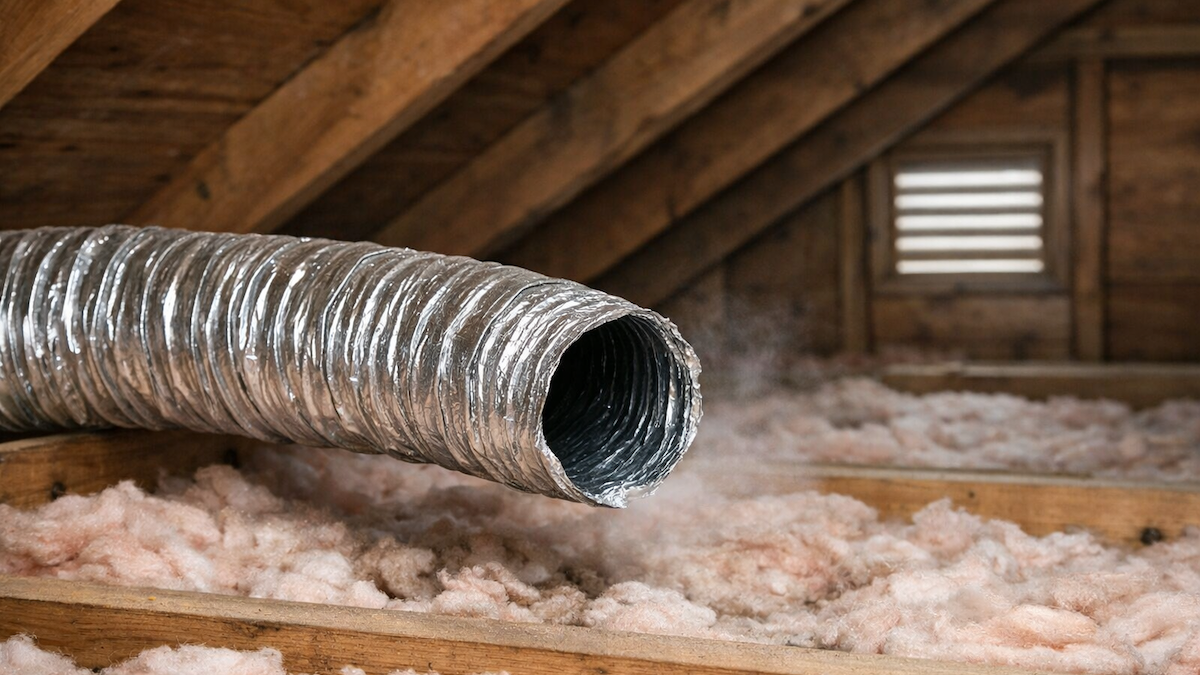
Attic-installed flexible duct systems
Closets housing HVAC components
Ceiling cavities above bathrooms
Rooms with restricted airflow
Poorly insulated ducts in hot attics can accumulate condensation when cooled air flows through them.
Improving insulation and ventilation often reduces recurrence risk.
Correcting AC Condensation Issues
Mold testing often reveals that mechanical corrections are needed.
Solutions may include:
Flushing and clearing condensate lines
Replacing damaged drain pans
Improving airflow balance
Replacing saturated duct insulation
Upgrading attic ventilation
Installing float switches to prevent overflow
Testing results guide these decisions.
Addressing the moisture source prevents mold from returning.
Humidity Control and Ongoing Monitoring
After condensation issues are corrected, humidity control remains critical.
Indoor humidity should stay below 60 percent.
Using a hygrometer provides accurate monitoring.
Routine HVAC servicing ensures:
Drain lines remain clear
Filters are replaced regularly
Airflow remains balanced
In Viera’s humid climate, preventative maintenance is essential.
When Mold Remediation Is Necessary
If testing confirms active mold growth, remediation may be required.
This can include:
Containment of affected areas
Removal of contaminated materials
HEPA vacuuming
Structural drying
HVAC cleaning
Testing ensures remediation is targeted and not excessive.
Removing mold without correcting condensation issues leads to recurrence.
Why Local Experience Matters
Viera homes are often newer construction with tighter building envelopes. While this improves energy efficiency, it can also trap humidity if ventilation is not balanced properly.
Florida’s climate creates moisture patterns different from inland states.
Professionals familiar with Brevard County housing styles understand common HVAC layouts and attic configurations in Viera neighborhoods.
Palm Bay Mold Removal has worked extensively throughout Viera and surrounding communities, addressing AC condensation issues specific to Florida’s humid environment.
Protecting Your Home from Hidden Moisture
Mold testing in Viera homes affected by AC condensation provides clarity. It confirms whether hidden contamination exists and guides proper correction.
Ignoring early warning signs such as musty odors or persistent humidity can allow moisture problems to grow quietly.
By combining professional testing, drainage correction, airflow improvements, and humidity monitoring, homeowners can protect their properties long-term.
In Florida’s humid climate, proactive evaluation of AC condensation is one of the most effective ways to prevent hidden mold problems.