
Rockledge AC Mold Cleaning After Flooding: A Local Homeowner Guide
Flooding in Rockledge homes can happen fast. A summer storm stalls over Brevard County. A roof leak develops during heavy wind-driven rain. A plumbing line fails while no one is home. Water spreads across floors and into walls — and humidity inside the house rises quickly.
While flooring and drywall often receive immediate attention, one area homeowners frequently overlook is the air conditioning system. After a flood, AC units, ductwork, and air handlers can retain moisture long after visible surfaces appear dry. In Florida’s humid climate, that trapped moisture can lead to mold growth inside the HVAC system.
This local homeowner guide explains how AC mold develops after flooding, how professional cleaning works, and how Rockledge residents can prevent long-term damage.
Why Flooding Impacts AC Systems in Rockledge Homes
Rockledge experiences extended humidity for much of the year. After flooding, indoor humidity often spikes above normal levels, especially if power outages limit AC operation.
When water enters a home, it can affect HVAC systems in several ways:
Moisture entering air handler compartments
Duct insulation absorbing humidity
Condensate drain lines clogging with debris
Floodwater entering lower-level returns
Extended damp conditions inside wall cavities
Even if floodwater never directly touches the AC unit, elevated humidity alone can create condensation buildup inside components.
Homes in nearby Viera and Merritt Island face similar risks, but each property’s elevation and duct layout influence exposure.
Early Signs of AC Mold After Flooding
Mold inside HVAC systems often develops quietly.
Homeowners should watch for:
Musty odor when the AC turns on
Reduced airflow in certain rooms
Dark staining around vents
Persistent indoor humidity
Condensation near supply registers
If odors intensify when the system runs, contamination inside ducts or the air handler may be present.
These signs often appear days or weeks after flooding.
Step 1: Confirm Flood Damage Has Been Fully Dried
Before AC mold cleaning begins, structural drying must be complete.
This includes:
Drywall
Subfloors
Insulation
Baseboards
Ceiling cavities
Surface dryness does not confirm internal dryness.
Moisture detection tools measure dampness inside materials.
If humidity remains elevated, AC systems will continue accumulating condensation.
Palm Bay Mold Removal often performs full moisture mapping before recommending HVAC cleaning in Rockledge homes.
Step 2: Inspect the Air Handler and Drain System
The air handler is a common mold development zone after flooding.
Inspection includes:
Evaporator coils
Condensate drain pan
Drain lines
Blower compartments
Electrical housing areas
Flood-related debris may clog drain lines, causing standing water in the pan.
Standing water combined with Florida humidity increases mold risk.
Clearing and flushing drain lines is essential.
Step 3: Evaluate Ductwork and Insulation
Many Rockledge homes have flexible ducts installed in attic spaces.
After flooding, attic humidity may remain elevated, especially if roof leaks occurred.
Duct insulation may absorb moisture indirectly.
Signs of duct-related moisture include:
Sagging flexible ducts
Dark rings around vents
Uneven cooling
Persistent odors
Moisture meters help determine whether insulation remains damp.
In some cases, insulation replacement may be necessary.
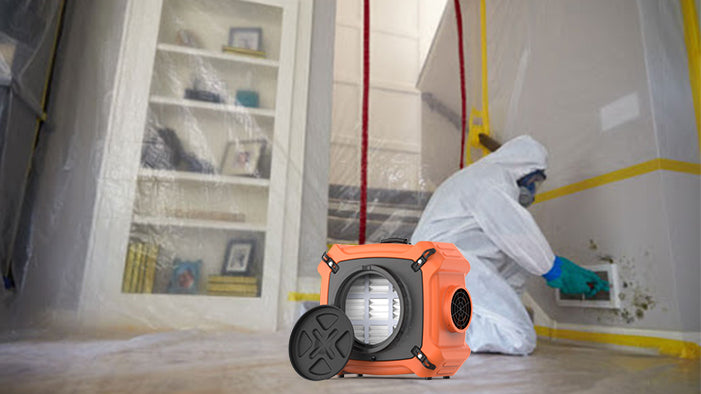
Step 4: Containment During AC Mold Cleaning
If mold is confirmed, containment prevents spread during cleaning.
Plastic barriers isolate affected areas. Negative air machines may create controlled airflow.
HEPA filtration systems operate during cleaning to maintain indoor air quality.
Containment is especially important in open floor plan homes common in Rockledge.
Step 5: Professional Cleaning Process
AC mold cleaning typically includes:
Cleaning evaporator coils
Disinfecting drain pans
Flushing condensate lines
Removing contaminated insulation when required
Cleaning accessible duct sections
Replacing air filters
The goal is thorough removal of contamination while restoring proper airflow.
Surface wiping alone does not resolve internal mold issues.
Step 6: Structural Drying and Humidity Stabilization
After cleaning, humidity control is critical.
Commercial dehumidifiers and air movers may be used to reduce moisture levels.
Indoor humidity should remain below 60 percent.
HVAC systems must operate efficiently to maintain stable indoor conditions.
Moisture readings confirm when the environment is balanced.
Attic Ventilation and Post-Flood Recovery
Flooding and storms often increase attic humidity.
If attic ventilation is inadequate, condensation may form on ducts and roof decking.
Improving ridge vents or soffit vents reduces moisture stress on HVAC components.
Post-storm attic inspection is essential in Rockledge homes.
Maintaining proper airflow reduces recurrence risk.
Preventing Future AC Mold Problems
Prevention requires consistent maintenance.
Flush condensate drain lines regularly.
Replace filters every 1–3 months.
Schedule annual HVAC inspections.
Monitor indoor humidity.
Inspect attic duct insulation after storms.
Address musty odors immediately.
Installing a float switch in the drain pan provides early warning of overflow.
Routine servicing prevents small drainage issues from escalating.
When AC Components Need Replacement
In severe flooding cases, cleaning may not be sufficient.
Replacement may be necessary if:
Electrical components were submerged
Drain pans are cracked
Duct insulation is saturated
Metal components show corrosion
Professional evaluation determines whether repair or replacement is appropriate.
Attempting to salvage heavily damaged components often leads to recurring problems.
Why Local Experience Matters
Rockledge homes vary in age and construction style. Some have older air handlers located in garages, while others have attic-installed systems.
Florida’s humid coastal climate creates moisture patterns different from inland regions.
Professionals familiar with Brevard County housing styles understand common HVAC layouts and flood exposure risks in this area.
Palm Bay Mold Removal has worked throughout Rockledge and surrounding communities, addressing AC mold concerns tied directly to water damage and Florida humidity.
Protecting Your Home After Flooding
AC mold cleaning after flooding in Rockledge is about more than odor control. It ensures that moisture has been fully addressed and HVAC systems are safe to operate.
Ignoring early signs such as musty air or uneven cooling can lead to larger remediation projects later.
By combining moisture detection, targeted cleaning, structural drying, and preventative maintenance, homeowners can restore stability and protect indoor comfort.
In Florida’s humid climate, proactive HVAC inspection after flooding is one of the most effective steps for preventing long-term mold issues.