
Carpet Cleaning After Flooding in Melbourne in Residential Homes: Early Signs You Should Not Ignore
Flooding inside a Melbourne home does not always look dramatic. Sometimes it’s several inches of water after a major storm. Other times, it’s a slow plumbing overflow that soaks one side of a room. Either way, when water reaches carpet, quick action is critical — especially in Florida’s humid climate.
Many homeowners focus on removing visible water but underestimate how quickly moisture spreads beneath the surface. Carpet padding, subfloors, and baseboards can hold moisture long after the top layer feels dry.
Understanding the early warning signs after flooding can help Melbourne homeowners prevent long-term structural damage, odor problems, and mold growth.
Why Flooded Carpet Is a Bigger Issue in Melbourne
Melbourne experiences high humidity most of the year. After a flood event — whether caused by heavy rain, plumbing leaks, or appliance failure — indoor moisture levels rise quickly.
Carpet absorbs water immediately. The padding underneath acts like a sponge, trapping moisture against the subfloor.
In Florida’s climate:
Evaporation slows
Humidity remains elevated
Moisture spreads beyond visible areas
Drying takes longer without professional equipment
Homes in nearby Palm Bay and West Melbourne experience similar conditions, but each home’s ventilation and foundation type influence drying speed.
Ignoring early warning signs can allow damage to spread quietly.
Early Sign #1: Persistent Musty Odor
One of the first signs that carpet remains damp is a musty smell.
Even if standing water has been removed, trapped moisture in padding or subfloors may still be present.
If odor lingers after fans have been running, deeper moisture likely remains.
Odor is often a sign that drying was incomplete.
Early Sign #2: Carpet Feels Slightly Damp or Cool
Flooded carpet may feel dry on the surface but still be damp underneath.
Pressing firmly on the carpet can reveal slight moisture. Walking across the area may produce a cool sensation underfoot.
This often indicates that padding remains wet.
Without removal and controlled drying, moisture can remain for days.
Early Sign #3: Warped or Swollen Baseboards
Water spreads horizontally and vertically.
If baseboards begin to swell or separate from walls, moisture has likely reached lower drywall sections.
Even minor flooding can wick water upward into drywall.
This is a clear sign that structural drying may be required.
Early Sign #4: Increased Indoor Humidity
After flooding, indoor humidity often remains elevated.
If your HVAC system struggles to bring humidity below 60 percent, hidden moisture may still be present.
High humidity slows drying and increases the risk of mold development.
Using a hygrometer provides accurate indoor humidity readings.
Early Sign #5: Carpet Rippling or Buckling
When carpet padding absorbs water, it may expand unevenly.
Rippling or buckling across the surface often indicates trapped moisture.
Even after surface drying, this distortion may remain until padding is removed and replaced.
Ignoring this sign can lead to subfloor deterioration.
Step 1: Immediate Water Extraction
If flooding occurs, rapid extraction is essential.
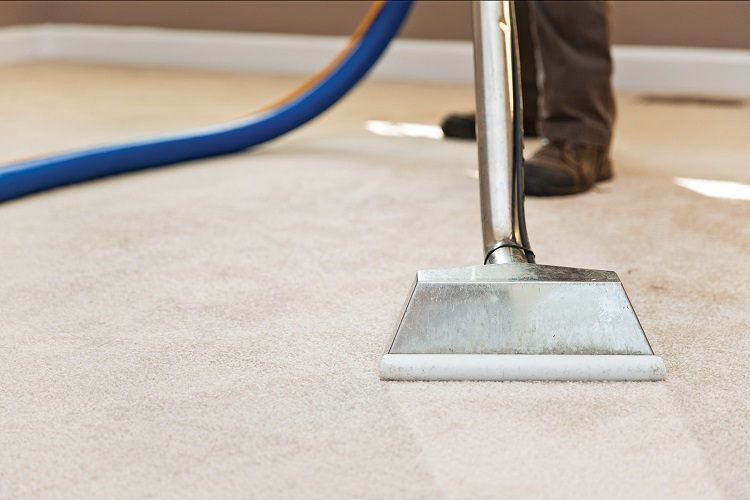
Professional-grade equipment removes significantly more water than household wet vacuums.
Quick extraction limits absorption into subfloors and drywall.
The faster water is removed, the higher the likelihood that carpet can be salvaged.
Palm Bay Mold Removal frequently emphasizes early extraction as the most critical step in protecting residential flooring.
Step 2: Padding Assessment
In many cases, padding must be removed.
Padding holds more moisture than carpet fibers.
Leaving saturated padding in place traps moisture against structural materials.
Removal allows air circulation directly on subfloors.
Replacing padding is often necessary even if carpet fibers can be cleaned.
Step 3: Moisture Detection
Surface dryness does not confirm full recovery.
Moisture meters measure dampness in:
Subfloors
Lower drywall
Baseboards
Concrete slabs
Thermal imaging may identify hidden moisture pockets.
Accurate readings determine when it is safe to reinstall carpet or begin repairs.
Step 4: Controlled Drying and Dehumidification
Drying requires more than household fans.
Professional drying involves:
High-velocity air movers
Commercial dehumidifiers
Humidity monitoring
Airflow control
In Melbourne’s humid environment, dehumidification is essential.
Maintaining indoor humidity below 60 percent speeds recovery and reduces mold risk.
Drying may take several days depending on the extent of flooding.
When Carpet Should Be Replaced
Replacement is often recommended when:
Floodwater was contaminated
Exposure exceeded 48 hours
Strong odors remain
Carpet backing separates
Subfloor damage is detected
Attempting to save heavily saturated carpet can lead to recurring moisture problems.
Professional evaluation helps determine whether cleaning or replacement is appropriate.
The Role of Ventilation and HVAC
Flooding increases indoor humidity significantly.
HVAC systems should be inspected to ensure:
Filters are replaced
Condensate drain lines are clear
Airflow is balanced
No moisture entered duct systems
Improving ventilation supports effective drying.
If airflow imbalance exists, drying time increases.
Preventing Future Carpet Damage
While floods cannot always be prevented, proactive steps reduce risk.
Inspect plumbing regularly.
Maintain roofing systems.
Seal exterior penetrations.
Monitor indoor humidity.
Address minor leaks immediately.
Consider water-resistant flooring in areas prone to leaks.
Early detection systems near appliances can provide warning before widespread damage occurs.
Why Local Experience Matters
Melbourne’s climate creates unique moisture challenges. High humidity, frequent storms, and extended cooling seasons influence how water behaves inside homes.
Professionals familiar with Brevard County housing styles understand slab foundations, attic ventilation, and common leak patterns.
Palm Bay Mold Removal has worked extensively throughout Melbourne and surrounding communities, addressing flood-related carpet damage specific to Florida’s environment.
Acting Quickly Protects Your Home
Carpet cleaning after flooding in Melbourne is about more than restoring appearance. It is about protecting structural materials and preventing long-term damage.
Ignoring early warning signs such as musty odor, rippling carpet, or elevated humidity increases repair costs.
By combining rapid extraction, padding removal, moisture detection, and controlled drying, homeowners can stabilize their properties effectively.
In Florida’s humid climate, proactive moisture management is the key to preventing recurring flood-related problems.