A Local Homeowner Guide: Moisture Detection in West Melbourne in Rental Properties
Moisture problems are a common challenge in West Melbourne, particularly in rental properties. High humidity, frequent storms, and aging building materials make homes and rental units prone to hidden water infiltration. Undetected moisture can compromise structural integrity, damage interiors, and create ideal conditions for mold growth, which negatively impacts both property value and tenant health.
Building on lessons from Palm Bay water damage restoration after roof leaks, this guide provides a detailed look at moisture detection in West Melbourne rental properties. It covers common causes, early warning signs, professional inspection techniques, tools and methods, remediation strategies, preventive measures, and cost considerations tailored to the local environment.
Understanding Moisture Problems in Rental Properties
Moisture in rental units often goes unnoticed until it causes visible damage or health concerns. Left unaddressed, even minor leaks can result in:
- Mold growth: Damp areas encourage microbial colonization on walls, ceilings, floors, and HVAC systems.
- Structural damage: Continuous exposure to moisture can weaken wood framing, drywall, and subflooring.
- Indoor air quality issues: Moisture fosters allergens and bacterial growth, impacting tenants’ health.
- HVAC inefficiency: Moist ducts or condensation issues reduce system efficiency and circulation quality.
Understanding these risks helps landlords and homeowners prioritize regular inspections and timely remediation.
Common Sources of Moisture in Rental Properties
Moisture intrusion can occur in multiple ways:
- Plumbing leaks: Cracked pipes, loose fittings, or faulty appliances introduce water into walls, floors, and ceilings.
- Roof leaks: Damaged shingles, flashing, or gutters allow rainwater into attics and ceilings.
- AC condensation: Blocked or leaking condensate lines cause water to accumulate in ceilings or ducts.
- Window and door leaks: Poorly sealed windows or doors allow rain and humidity to infiltrate interior spaces.
- Foundation or slab leaks: Cracks in foundations or slabs permit water intrusion into crawl spaces or basements.
- Tenant-related issues: Poor ventilation or excessive moisture from cooking, showers, or laundry can exacerbate problems.
Identifying the root cause is essential for accurate moisture detection and remediation.
Early Warning Signs of Moisture
Early detection reduces the risk of mold growth and structural damage. Watch for:
- Musty or moldy odors in rental units
- Water stains, discoloration, or bubbling paint on ceilings and walls
- Warped or buckled flooring
- Condensation on windows, pipes, or HVAC ducts
- Visible mold growth on walls, ceilings, or flooring
- Tenant complaints about dampness or odors
Prompt action ensures tenant safety and prevents escalation into costly repairs.
Step 1: Professional Inspection
A professional moisture inspection identifies both visible and hidden water problems:
Visual Assessment
Technicians examine ceilings, walls, flooring, attics, crawl spaces, and plumbing areas for obvious water damage, stains, or mold.
Moisture Detection Tools
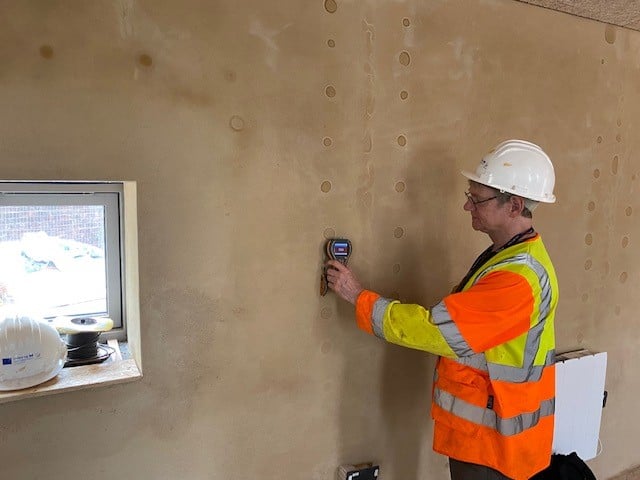
- Moisture meters measure water content in wood, drywall, and flooring.
- Infrared cameras detect temperature anomalies caused by hidden moisture behind walls or ceilings.
- Hygrometers measure indoor humidity levels to identify areas prone to condensation.
HVAC and Plumbing Inspection
Ductwork and plumbing systems are checked for leaks, condensation, or water contamination.
Documentation
A detailed report outlines affected areas, moisture levels, and recommended remediation strategies. Reports are useful for insurance claims, tenant records, and maintenance planning.
Step 2: Advanced Moisture Detection Techniques
For rental properties, precise detection is essential:
- Thermal Imaging: Reveals cold or damp spots behind walls, under floors, or in ceilings.
- Endoscopic Inspection: Small cameras examine concealed areas like wall cavities or plumbing chases.
- Pressure Testing: Checks plumbing systems for leaks.
- Surface Sampling: Identifies microbial growth that may result from prolonged moisture exposure.
Professional tools ensure hidden moisture does not go undetected, preventing long-term damage.
Step 3: Containment and Safety Measures
During inspection and remediation:
- Seal affected areas to prevent moisture spread or contamination
- Ensure HVAC systems are turned off to prevent circulation of spores
- Technicians wear protective gear to safeguard against mold exposure
- Tenant belongings are protected or removed as needed
Proper containment ensures a safe, efficient inspection and remediation process.
Step 4: Moisture Remediation
Once moisture is detected, remediation prevents further damage and mold growth:
Drying
- Industrial air movers and dehumidifiers remove residual moisture from walls, floors, and attics
- Continuous monitoring ensures complete dryness before restoration
Cleaning and Mold Prevention
- EPA-approved antimicrobial solutions are applied to affected surfaces
- Contaminated drywall, insulation, or flooring is removed if necessary
- HVAC ducts are cleaned if moisture intrusion is detected
Repairs
- Leaking pipes, damaged shingles, or flashing are repaired
- Sealing gaps around windows, doors, and foundation areas prevents future leaks
- Flooring, walls, and ceilings are restored to original condition
Proper remediation restores rental units to safe, habitable conditions while protecting long-term property value.
Hidden Areas Often Overlooked
Moisture often accumulates in concealed spaces:
- Behind cabinets and baseboards
- Under flooring or subflooring
- Attic spaces above water-damaged ceilings
- Crawl spaces and ductwork
Professional tools like infrared cameras and moisture meters are critical for detecting these hidden problem areas.
Health Implications
Excess moisture can negatively impact tenant health:
- Allergic reactions, sneezing, and coughing
- Asthma or respiratory irritation
- Musty odors reducing comfort and livability
- Long-term exposure increasing susceptibility to infections
Professional detection and remediation safeguard both tenants and property owners.
Costs of Moisture Detection and Remediation
Costs vary depending on property size, moisture severity, and remediation requirements:
- Basic moisture inspection: $300–$600
- Moderate remediation with drying and minor repairs: $1,000–$3,000
- Extensive restoration with mold remediation and structural repairs: $5,000+
Early detection reduces costs and prevents extensive property damage.
Preventive Measures for Rental Properties
Landlords and property owners can take several steps to prevent moisture problems:
- Regularly inspect plumbing, roofing, and gutters for leaks
- Ensure proper ventilation in bathrooms, kitchens, and attics
- Maintain AC systems and clean condensate lines
- Use dehumidifiers in high-humidity areas
- Conduct routine moisture inspections and HVAC cleaning
- Educate tenants about moisture prevention practices, like proper ventilation during showers and laundry
Proactive maintenance reduces risks, protects indoor air quality, and preserves property value.
Why Local Expertise Matters
West Melbourne’s humid climate, storm frequency, and older rental properties require local expertise for effective moisture detection:
- Professionals understand common water intrusion points in rental homes
- Technicians can uncover hidden moisture that may be missed by untrained eyes
- Preventive strategies are tailored to Florida’s environmental conditions
- Timely intervention minimizes property damage and tenant complaints
Local companies like Palm Bay Mold Removal combine advanced detection tools and experience with Florida homes to protect properties effectively.
Practical Steps for Property Owners
- Monitor rental units for water stains, mold, or musty odors.
- Schedule professional moisture inspection for suspected leaks.
- Contain affected areas during remediation to prevent spread.
- Dry and dehumidify affected areas completely.
- Remediate mold or water-damaged materials if necessary.
- Repair plumbing, roofing, and structural issues.
- Implement preventive maintenance: ventilation, dehumidifiers, routine inspections, and HVAC cleaning.
- Monitor indoor air quality and moisture levels continuously.
Following these steps ensures rental properties remain safe, healthy, and structurally sound.
Final Thoughts
Moisture detection in West Melbourne rental properties is critical for protecting indoor air quality, preventing mold growth, and maintaining property value. Professional inspection, advanced detection methods, remediation, and preventive strategies address both visible and hidden moisture effectively.
Building on insights from Palm Bay water damage restoration after roof leaks, property owners can appreciate the importance of early detection, local expertise, and proactive maintenance. Investing in professional moisture detection ensures long-term safety, comfort, and protection for rental properties.