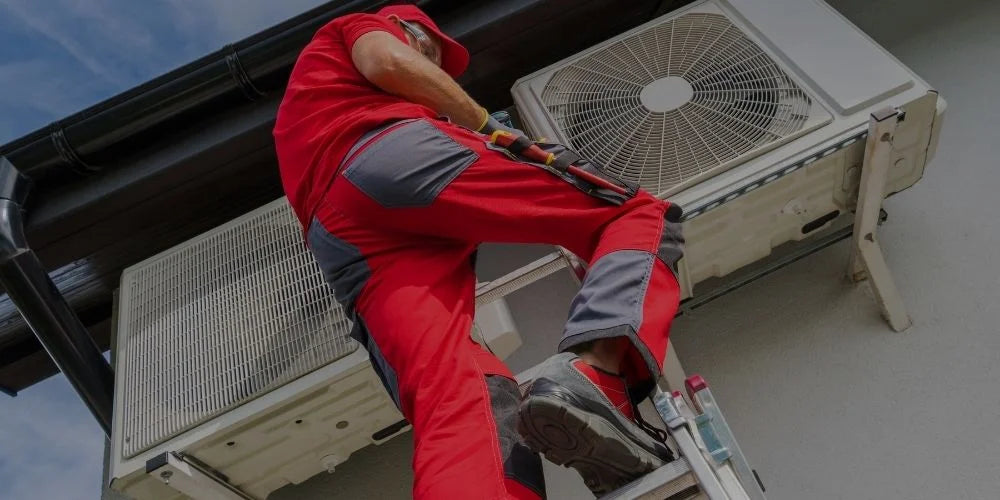
Inspection and Repair Guide: AC Mold Cleaning in Merritt Island in Commercial Buildings
Commercial buildings in Merritt Island depend heavily on air conditioning systems to maintain comfortable indoor temperatures and control humidity. Offices, medical facilities, retail stores, and mixed-use buildings often run HVAC systems throughout most of the year. While this keeps interiors cool, it also creates condensation, and when moisture combines with dust inside the system, mold can begin to develop.
AC mold contamination in commercial buildings is not uncommon in coastal Brevard County. Understanding how inspection, cleaning, and repairs work helps property owners and facility managers address the problem efficiently and prevent recurring issues.
Why Mold Develops in Commercial HVAC Systems
Air conditioning systems naturally produce condensation as warm air is cooled. This moisture should drain properly, but several factors can allow damp conditions to persist:
- Clogged condensate drain lines
- Rusted or damaged drain pans
- Dirty evaporator coils holding moisture
- Air leaks pulling humid air into ductwork
- Poor ventilation in mechanical rooms
In Merritt Island’s humid coastal climate, even small drainage issues can create an environment where mold develops over time.
Commercial systems are particularly vulnerable because they operate longer hours and often have larger duct networks.
Why Merritt Island Buildings Are Especially Susceptible
Commercial buildings in Merritt Island, Cocoa Beach, Rockledge, and Satellite Beach share environmental conditions that increase HVAC mold risk:
- High humidity year-round
- Warm temperatures that accelerate microbial growth
- Salt air affecting equipment and metal components
- Heavy seasonal storms and rain
Rooftop HVAC units are also exposed to weather conditions that may contribute to moisture intrusion or drainage problems.
Regular inspection is essential to identify issues before they spread through the building.
Early Signs That Indicate Mold May Be Developing
AC mold problems rarely appear suddenly. Most systems show warning signs before contamination becomes severe.
Property owners or facility managers may notice:
- Musty odors when the AC starts
- Uneven cooling or reduced airflow
- Increased indoor humidity
- Dark buildup around vents or registers
- Persistent stale air in certain areas
These signs often indicate moisture accumulation or debris buildup inside the HVAC system.
Ignoring these early indicators can allow mold to spread throughout ductwork.
The Importance of Professional HVAC Inspection
A thorough inspection is the first step in AC mold cleaning. The purpose is to locate contamination and identify the underlying moisture source.
A professional inspection typically includes:
- Visual examination of air handlers and coils
- Checking condensate drain lines and pans
- Measuring humidity levels
- Inspecting ductwork and insulation
- Evaluating airflow and ventilation
Thermal imaging and moisture meters may also be used to detect hidden moisture inside walls or ceiling cavities connected to HVAC systems.
This information guides the cleaning and repair process.
Step-by-Step AC Mold Cleaning Process
Once contamination is confirmed, cleaning is performed using methods designed for HVAC systems.
1. Preparation and Containment
Work areas are isolated when necessary to prevent spores from spreading to occupied spaces.
2. Cleaning Air Handler Components
Evaporator coils, blower compartments, and drain pans are cleaned to remove buildup and microbial growth.
3. Duct Cleaning
Accessible duct sections are cleaned to remove debris and contamination.
4. Flushing Drain Lines
Condensate lines are cleared to restore proper drainage.
5. Drying and Dehumidification
Equipment may be used to reduce moisture and prevent recurrence.
This process restores airflow and helps eliminate odors caused by mold contamination.
Repairs That May Be Necessary
Cleaning alone may not solve the problem if underlying mechanical issues remain. Inspection often reveals conditions that require repair, such as:
- Replacing damaged drain pans
- Repairing or sealing duct leaks
- Replacing deteriorated duct insulation
- Improving ventilation in mechanical rooms
- Correcting airflow imbalances
Addressing these issues prevents mold from returning and improves HVAC performance.
The Role of Water Damage Restoration
In some cases, HVAC mold problems are linked to water damage elsewhere in the building. Roof leaks, plumbing issues, or flooding may introduce moisture into ceiling cavities and ducts.
When this occurs, restoration may include:
- Drying structural materials
- Removing wet insulation
- Monitoring moisture levels over time
Proper drying is essential before repairs are completed, as damp materials can allow mold to return.
HVAC Maintenance and Mold Prevention
Routine maintenance is one of the most effective ways to prevent mold in commercial HVAC systems.
Building owners and managers can reduce risk by:
- Scheduling regular HVAC inspections
- Replacing filters on schedule
- Flushing condensate lines periodically
- Inspecting rooftop units after storms
- Monitoring indoor humidity levels
Preventive maintenance helps extend equipment life and reduce repair costs.
Why Local Experience Matters
Commercial HVAC systems in Merritt Island operate under environmental conditions different from inland regions. Coastal humidity, salt air, and frequent storms all influence how moisture behaves inside buildings.
Facilities in Merritt Island, Cocoa Beach, and Rockledge often experience similar HVAC challenges, but each building has unique airflow patterns and equipment configurations.
Companies familiar with Brevard County conditions—such as Palm Bay Mold Removal—understand where moisture problems typically develop and how to address both cleaning and repairs efficiently.
Local knowledge often leads to faster diagnosis and longer-lasting results.
A Practical Next Step for Property Owners
If you notice musty odors, humidity problems, or uneven airflow in your commercial building, scheduling an HVAC inspection is a sensible first step. Early detection allows minor contamination to be cleaned before it spreads through the system.
AC mold cleaning, combined with proper repairs and maintenance, helps maintain indoor air quality, improve efficiency, and protect the long-term condition of HVAC equipment.
Acting early reduces disruption, prevents larger remediation projects, and helps keep commercial spaces comfortable for employees and visitors.