
How Carpet Cleaning After Flooding Helps Homes in Titusville from Poor Ventilation
Flooding in Titusville homes can come from heavy rain, plumbing failures, or storm-related roof leaks. But one factor that often makes water damage worse is poor ventilation. When airflow is limited and humidity remains high, wet carpet does not dry the way homeowners expect.
In Florida’s humid climate, moisture lingers longer than in drier regions. If ventilation is inadequate, flooded carpet can trap dampness deep inside padding and subfloors. That lingering moisture increases the risk of odor, structural weakening, and mold development.
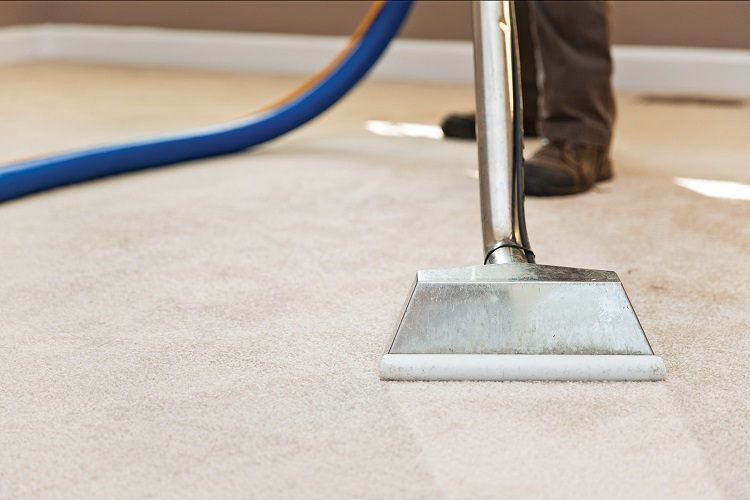
Carpet cleaning after flooding in Titusville is not simply about appearance. It is part of a structured drying and ventilation correction process designed to stabilize the home and prevent long-term damage.
Why Poor Ventilation Makes Flood Damage Worse
Ventilation controls airflow and humidity inside a home. When airflow is restricted, moisture evaporates slowly.
Common ventilation problems in Titusville homes include:
Blocked return vents
Closed interior doors limiting airflow
Dirty HVAC filters
Inadequate attic ventilation
Improperly sized return ducts
After flooding, these issues slow drying significantly.
Carpet fibers may feel dry on the surface while padding underneath remains wet. Without proper airflow, moisture becomes trapped between layers.
Homes in nearby Mims and Merritt Island experience similar humidity conditions, but Titusville’s combination of slab foundations and coastal moisture makes ventilation especially important after water events.
How Floodwater Affects Carpet and Subfloors
Carpet absorbs water quickly. Padding beneath it acts like a sponge, holding moisture tightly against the subfloor.
If water remains:
Wood subfloors may swell
Concrete slabs may retain internal moisture
Baseboards may warp
Drywall edges may absorb dampness
In poorly ventilated homes, this moisture remains longer than expected.
Even small flooding incidents can cause significant hidden damage if drying is delayed.
Early Signs Ventilation Is Contributing to the Problem
After flooding, property owners should monitor for warning signs.
Persistent musty odor
Slow drying despite fans running
Elevated indoor humidity
Visible condensation on windows
Soft or spongy flooring
If the HVAC system struggles to maintain humidity below 60 percent, ventilation imbalance may be limiting recovery.
These signs indicate that professional drying support may be needed.
Step 1: Immediate Water Extraction
The first step in carpet restoration is rapid extraction.
High-powered equipment removes standing water from carpet fibers and padding.
Household wet vacuums rarely remove enough moisture to prevent deeper saturation.
The sooner water is removed, the greater the chance that carpet can be salvaged.
Quick extraction reduces the burden on ventilation systems.
Step 2: Padding Assessment
Carpet padding holds more water than the carpet surface.
In many flooding situations, padding must be removed and replaced. Even if the carpet fibers can be cleaned, soaked padding often cannot be dried thoroughly in Titusville’s humid climate.
Leaving wet padding in place traps moisture against subfloors, increasing mold risk.
Removing saturated padding allows airflow to reach structural materials.
Step 3: Moisture Detection
Surface dryness does not confirm full recovery.
Professional moisture detection tools measure dampness inside:
Subfloors
Baseboards
Lower drywall
Concrete slabs
Thermal imaging may identify hidden moisture pockets.
Accurate readings determine when it is safe to reinstall carpet or padding.
Palm Bay Mold Removal frequently emphasizes that moisture mapping is essential before rebuilding begins.
Step 4: Controlled Drying and Dehumidification
Drying is more than placing fans in a room.
Professional drying includes:
High-velocity air movers
Commercial dehumidifiers
Humidity monitoring
Airflow control
In Titusville’s humid environment, dehumidifiers are critical.
Maintaining indoor humidity below 60 percent accelerates drying and prevents mold growth.
Ventilation improvements may be recommended if airflow imbalance contributed to slow drying.
Step 5: Cleaning and Odor Control
Once structural materials are dry, professional carpet cleaning may follow if the carpet is salvageable.
Deep extraction cleaning removes residual particles and odors.
Odor control measures may include targeted antimicrobial application when appropriate.
If odors persist after drying, hidden moisture may still be present.
Cleaning improves indoor comfort, but only after proper moisture control.
When Carpet Replacement Is Necessary
Replacement may be recommended when:
Floodwater was contaminated
Exposure lasted more than 48 hours
Strong odors remain
Carpet backing separates
Subfloor damage is detected
Attempting to save heavily contaminated carpet often leads to recurring problems.
Professional evaluation helps determine the safest approach.
The Role of HVAC and Ventilation After Flooding
Flood events increase indoor humidity.
HVAC systems should be inspected to ensure:
Filters are replaced
Condensate drain lines are clear
Airflow is balanced
Duct insulation is dry
If ventilation problems existed before flooding, addressing them reduces the risk of repeat damage.
Improving return airflow and attic ventilation supports long-term drying performance.
Preventing Future Ventilation-Related Damage
Prevention begins with airflow management.
Keep return vents unobstructed
Replace filters regularly
Inspect attic insulation
Monitor humidity levels
Schedule annual HVAC servicing
After storms, inspect roofing and drainage systems to reduce intrusion risk.
Addressing small leaks promptly prevents larger restoration projects later.
Why Local Experience Matters
Titusville’s climate presents ongoing moisture challenges. Proximity to the Indian River Lagoon, heavy summer rains, and long cooling seasons create consistent humidity pressure.
Professionals familiar with Brevard County construction styles understand common slab foundation behavior and ventilation configurations in local homes.
Palm Bay Mold Removal has worked extensively throughout Titusville and surrounding communities, addressing flood-related carpet damage tied directly to poor ventilation and Florida’s environment.
Protecting Your Home After Flooding
Carpet cleaning after flooding in Titusville is not simply about restoring appearance. It is about moisture control, structural protection, and ventilation correction.
Ignoring poor airflow after a flood event can lead to extended drying times and increased mold risk.
By combining rapid extraction, proper padding removal, moisture detection, controlled drying, and ventilation improvements, homeowners can stabilize their properties effectively.
In Florida’s humid climate, proactive airflow management is essential for preventing long-term damage after water events.