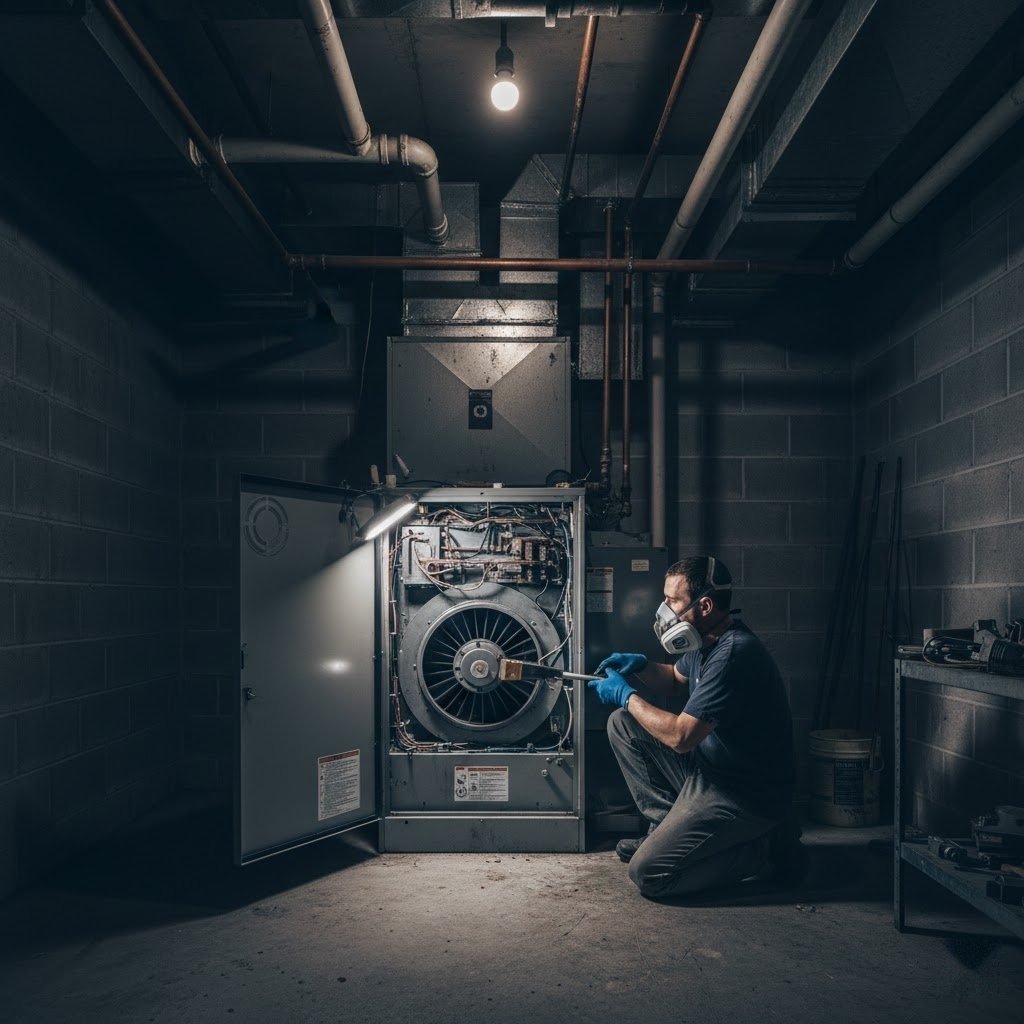
A Local Homeowner Guide: Mold Inspection in Viera After Plumbing Leaks
Plumbing leaks in Viera are a leading cause of hidden moisture that can quickly turn into mold problems. Even minor leaks behind walls, under sinks, or near HVAC systems can create the perfect environment for mold growth. Over time, unchecked moisture leads to microbial contamination, poor indoor air quality, and structural damage, making professional mold inspection a crucial step for homeowners.
Building on lessons from Rockledge flood restoration after roof leaks, this guide provides a comprehensive approach for homeowners in Viera to understand, identify, and address mold risks after plumbing leaks. It covers causes, early warning signs, inspection techniques, remediation strategies, preventive measures, and cost considerations.
Understanding Plumbing Leak-Related Mold Problems
Water from plumbing leaks can infiltrate walls, floors, ceilings, and HVAC systems. In Florida’s humid climate, this moisture creates ideal conditions for mold:
- Mold growth: Spores thrive on damp surfaces such as drywall, insulation, and wooden structures.
- Allergen accumulation: Dust mites and bacteria proliferate in moist areas, affecting indoor air quality.
- Structural degradation: Prolonged exposure to moisture weakens drywall, flooring, and framing.
- HVAC contamination: Leaks near ductwork or AC units can spread mold spores throughout the home.
Even slow leaks can cause hidden damage, emphasizing the importance of early mold inspection.
Common Causes of Mold After Plumbing Leaks
Understanding what leads to mold growth helps homeowners address the problem effectively:
- Leaky pipes: Cracked or corroded pipes allow water to seep into walls, floors, and ceilings.
- Appliance malfunctions: Washing machines, water heaters, or dishwashers can overflow or leak.
- AC condensation: Blocked condensate lines or malfunctioning air handlers introduce moisture into ducts or living spaces.
- Poor ventilation: Humid air trapped in attics, crawl spaces, or bathrooms encourages mold proliferation.
- Hidden leaks: Water behind baseboards, cabinets, or under flooring can go unnoticed, leading to hidden mold growth.
By addressing these causes promptly, homeowners can prevent severe mold damage.
Early Warning Signs of Mold
Homeowners should watch for these indicators after plumbing leaks:
- Musty or damp odors in rooms, closets, or ducts
- Visible mold growth on walls, ceilings, or baseboards
- Stains, discoloration, or bubbling paint and wallpaper
- Increased dust accumulation in vents or HVAC systems
- Respiratory symptoms such as coughing, sneezing, or allergy flare-ups
- Damp insulation or warped flooring
Early detection is essential to prevent widespread contamination and costly restoration.
Step 1: Professional Mold Inspection
A thorough mold inspection identifies the presence, type, and extent of mold contamination. Professionals typically perform:
Visual Assessment
Inspectors examine walls, ceilings, floors, crawl spaces, attics, and HVAC systems for visible mold growth and water damage.
Moisture Detection
Infrared cameras, hygrometers, and moisture meters detect hidden moisture in walls, subfloors, and ductwork.
Air Quality Testing
Air sampling identifies mold spores, allergens, and dust particle levels, helping determine the severity of contamination.
Surface Sampling
Swab or tape tests may be conducted on suspected mold surfaces to identify species and guide remediation.
Documentation
Inspection reports provide homeowners with a detailed overview of mold-affected areas, moisture readings, and recommended remediation strategies, useful for insurance and long-term planning.
Step 2: Containment and Safety Measures
During mold inspection and remediation, containment protects the home and occupants:
- Seal off affected rooms with plastic sheeting
- Turn off HVAC systems to prevent spore circulation
- Technicians use gloves, masks, and protective clothing
- Furniture and personal belongings are relocated or protected
Proper containment ensures safety and prevents contamination from spreading.
Step 3: Mold Remediation and Cleaning
Once mold is identified, professional remediation addresses both visible and hidden contamination:
Removal of Contaminated Materials
- Porous materials such as drywall, insulation, and carpet may need removal
- Wood and structural components are cleaned and treated to prevent regrowth
Surface Cleaning
- EPA-approved antimicrobial solutions are applied to walls, floors, and other surfaces
- HVAC components and ductwork are cleaned if mold spores have infiltrated the system
Drying and Dehumidification
- Air movers and industrial dehumidifiers remove residual moisture from structural elements
- Continuous monitoring ensures all areas are thoroughly dry before restoration
Professional remediation ensures mold is safely removed and indoor air quality is restored.
Hidden Areas Often Overlooked
Plumbing leaks can create hidden mold in:
- Wall cavities and subflooring behind baseboards or cabinets
- Attics and crawl spaces
- HVAC ductwork and air handlers
- Under sinks or behind appliances
Specialized tools like moisture meters, infrared cameras, and duct cleaning equipment are essential to detect and remediate these concealed areas.
Health Implications of Mold
Unaddressed mold can negatively affect homeowners’ health:
- Allergic reactions, including sneezing, coughing, and eye irritation
- Asthma flare-ups or respiratory distress
- Musty odors reducing comfort and air quality
- Long-term exposure increasing susceptibility to infections
Professional inspection and remediation protect both structural integrity and occupant health.
Costs of Mold Inspection and Remediation
The cost depends on the severity of the mold problem and affected areas:
- Basic inspection may range from $300–$600
- Minor mold remediation can cost $1,000–$3,000
- Extensive mold removal, including structural repairs, may exceed $5,000
Early detection and professional intervention reduce long-term expenses and prevent further damage.
Preventive Measures for Homeowners
To prevent future mold growth after plumbing leaks:
- Inspect plumbing systems regularly for leaks or corrosion
- Maintain appliances and HVAC systems to prevent moisture accumulation
- Clean and sanitize ductwork after water intrusion
- Improve ventilation in attics, bathrooms, and crawl spaces
- Use dehumidifiers in humid or poorly ventilated areas
- Repair leaks promptly and address water-damaged materials
- Replace HVAC filters regularly
These steps maintain healthy indoor air quality, protect the home’s structure, and reduce the risk of recurring mold problems.
Why Local Expertise Matters
Viera’s humid climate and frequent rainfall create unique challenges for mold prevention:
- Professionals understand local moisture patterns and home construction styles
- Technicians can identify hidden mold and water intrusion points efficiently
- Preventive strategies are tailored to Florida’s climate and environmental conditions
- Local expertise ensures timely response, thorough remediation, and long-term protection
Companies like Palm Bay Mold Removal provide the local knowledge and professional equipment needed to protect Viera homes from water-related mold issues.
Practical Steps for Homeowners
- Monitor for signs of leaks or water intrusion in plumbing areas.
- Schedule a professional mold inspection if moisture is detected.
- Contain affected areas during remediation to prevent spore spread.
- Remove or clean contaminated materials and HVAC components.
- Thoroughly dry all affected surfaces using air movers and dehumidifiers.
- Repair structural damage and restore living spaces.
- Implement preventive measures, including proper ventilation, leak monitoring, and regular duct cleaning.
- Continue monitoring indoor air quality to prevent future issues.
Following these steps ensures safe, healthy living conditions and protects the home from long-term mold damage.
Final Thoughts
Mold inspection after plumbing leaks is essential for maintaining indoor air quality and protecting the structural integrity of homes in Viera. Professional inspection, remediation, drying, and preventive strategies address both visible and hidden mold problems effectively.
Building on lessons from Rockledge flood restoration after roof leaks, homeowners can appreciate the importance of early detection, local expertise, and proactive maintenance. By investing in professional mold inspection and preventive care, Viera residents can safeguard their homes, maintain healthy air, and prevent recurring water and mold problems.