Flood Restoration in Rockledge After Roof Leaks: Costs, Causes, and Solutions
Homes in Rockledge are particularly vulnerable to water intrusion caused by roof leaks, especially during heavy rains, storms, or hurricanes. Even minor roof damage can allow water to seep into attics, ceilings, walls, and ultimately living spaces, creating an urgent need for flood restoration services. If left unaddressed, this water damage can lead to structural degradation, mold growth, and poor indoor air quality, posing risks to both the property and its occupants.
Building on lessons from Titusville indoor air quality improvement after plumbing leaks, this guide provides homeowners in Rockledge with a comprehensive understanding of flood restoration after roof leaks. It covers common causes, early warning signs, professional restoration processes, costs, and preventive strategies to protect homes.
Understanding Roof Leak-Related Flood Damage
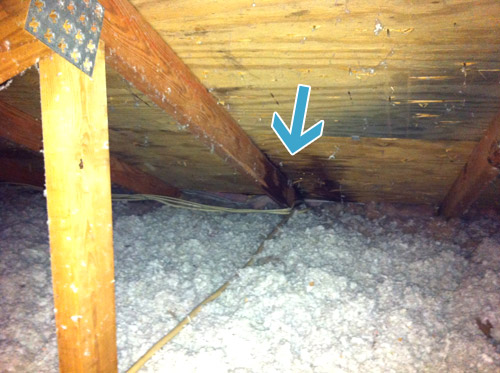
Roof leaks allow water to penetrate a home’s protective envelope, often accumulating in concealed areas such as attics, ceilings, or wall cavities. The resulting flood damage may include:
- Water-saturated ceilings and walls: Prolonged leaks can weaken drywall, plaster, and insulation.
- Attic and insulation damage: Damp insulation reduces thermal efficiency and may harbor mold.
- HVAC and duct contamination: Water entering ductwork or air handlers can spread moisture and microbial growth throughout the home.
- Structural degradation: Wooden beams, subfloors, and joists can warp, rot, or weaken.
The longer water remains, the greater the risk of extensive damage and costly restoration.
Common Causes of Roof Leaks in Rockledge
Understanding what causes roof leaks helps homeowners prevent future water intrusion:
- Storm damage: High winds, heavy rains, and hail can damage shingles, flashing, or roof seals.
- Aging roofs: Worn shingles, cracked flashing, or deteriorated underlayment allow water penetration.
- Improper installation or repairs: Poor workmanship can create weak points vulnerable to leaks.
- Clogged gutters or downspouts: Water overflow can seep under shingles or damage eaves, leading to leaks.
- Roof penetrations: Skylights, vents, and chimneys can become leak points if seals deteriorate.
Identifying the source of a roof leak is critical to effective flood restoration and preventing recurring issues.
Early Warning Signs of Water Damage
Homeowners should monitor for these indicators of roof leak-related flooding:
- Water stains or discoloration on ceilings or walls
- Peeling paint, bubbling wallpaper, or warped surfaces
- Musty odors in attics, ceilings, or HVAC systems
- Damp insulation or attic flooring
- Visible mold or mildew growth on walls, ceilings, or vents
- Reduced HVAC efficiency or condensation in air ducts
Early recognition of these warning signs enables timely restoration and prevents long-term structural or health issues.
Step 1: Professional Inspection
A thorough professional inspection is essential before restoration begins:
Visual Assessment
Inspectors evaluate the roof, attic, ceilings, walls, and HVAC systems for visible water damage, mold growth, and structural compromise.
Moisture Detection
Moisture meters, hygrometers, and infrared cameras identify hidden water in insulation, ductwork, or subflooring.
Structural Assessment
Roof trusses, joists, and ceiling supports are examined to determine if water has compromised structural integrity.
Documentation
Detailed reports document the damage, moisture levels, and recommended restoration procedures, which are valuable for insurance claims and repair planning.
Step 2: Containment and Safety Measures
Flood restoration requires containment to protect the home and occupants:
- Seal off affected areas with plastic sheeting
- Turn off HVAC systems to prevent circulation of moisture or mold spores
- Use protective equipment such as gloves, masks, and coveralls
- Remove or cover furniture, rugs, and personal belongings in the affected zones
Proper containment ensures the safety of technicians and prevents water from spreading further.
Step 3: Water Extraction
Removing standing or pooled water is critical to prevent secondary damage:
- Industrial pumps and wet vacuums extract water from floors, subfloors, and attics.
- Subfloor extraction addresses water trapped beneath flooring materials.
- Continuous monitoring ensures complete removal, reducing mold growth and structural risks.
Prompt extraction limits damage to flooring, walls, and furniture while speeding up the overall restoration process.
Step 4: Drying and Dehumidification
Thorough drying is essential after water extraction:
- Air movers and fans accelerate evaporation from affected surfaces.
- Industrial dehumidifiers reduce humidity levels in the home, ideally below 50%.
- Ongoing monitoring ensures that walls, ceilings, insulation, and subflooring are fully dry.
Effective drying prevents microbial growth, protects structural components, and restores indoor air quality.
Step 5: Cleaning and Sanitization
Water from roof leaks may introduce bacteria, mold, or contaminants:
- Surface cleaning: Floors, walls, and baseboards are sanitized with EPA-approved antimicrobial solutions.
- HVAC cleaning: Ducts and air handling units are cleaned if moisture or mold is detected.
- Attic and insulation treatment: Wet insulation may need to be replaced, and attic surfaces treated to prevent microbial growth.
Sanitization ensures the home is safe and reduces health risks associated with water damage.
Step 6: Repairs and Restoration
Restoring homes after roof leak flooding ensures structural integrity and comfort:
- Replace damaged drywall, flooring, insulation, and ceiling materials
- Repair or reinforce roof, flashing, and gutters to prevent future leaks
- Restore HVAC components and ductwork as needed
- Repaint and refinish affected surfaces
Comprehensive restoration maintains the home’s safety, aesthetics, and long-term value.
Costs of Flood Restoration
The cost of flood restoration depends on:
- Extent of water intrusion and affected areas
- Severity of structural damage
- Presence of mold or microbial contamination
- HVAC and duct cleaning requirements
Minor restoration may cost $1,000–$3,000, while extensive roof leak-related flooding can exceed $10,000, particularly when mold remediation or structural repairs are necessary. Early intervention reduces costs and prevents further damage.
Preventive Measures for Homeowners
Preventing future roof leak damage involves proactive home maintenance:
- Inspect roofs regularly for damaged shingles, flashing, or seals
- Clean gutters and downspouts to prevent overflow
- Monitor for attic moisture or HVAC condensation issues
- Schedule routine HVAC and duct inspections
- Use dehumidifiers in humid or poorly ventilated areas
- Address minor leaks immediately before they escalate
- Implement proper attic insulation and ventilation
These strategies protect homes from water damage, maintain indoor air quality, and reduce the risk of costly restoration projects.
Why Local Expertise Matters
Rockledge’s coastal climate, high humidity, and seasonal storms make local expertise invaluable for flood restoration:
- Professionals understand regional weather patterns and typical construction vulnerabilities
- Local technicians can identify hidden water, mold, and structural issues unique to Rockledge homes
- Preventive strategies are tailored to local environmental conditions
- Efficient response and professional-grade equipment ensure thorough restoration
Companies like Palm Bay Mold Removal combine local knowledge with advanced water extraction and restoration equipment to protect Rockledge homes effectively.
Practical Steps for Homeowners
- Inspect roof, attic, and ceilings after heavy rain or storms.
- Identify and contain water intrusion areas promptly.
- Contact professional flood restoration services for assessment and extraction.
- Ensure complete water removal, drying, and dehumidification.
- Sanitize affected surfaces, HVAC components, and insulation.
- Repair or replace damaged materials and structural components.
- Implement preventive maintenance, including roof inspections and gutter cleaning.
- Monitor for future leaks, moisture accumulation, and mold growth.
Following these steps helps homeowners safeguard their property, maintain indoor air quality, and prevent recurring water damage.
Final Thoughts
Flood restoration in Rockledge after roof leaks is essential to prevent structural damage, mold growth, and indoor air quality problems. Professional inspection, water extraction, drying, cleaning, and repairs ensure homes remain safe, healthy, and comfortable.
Building on lessons from Titusville indoor air quality improvement after plumbing leaks, Rockledge homeowners can appreciate the importance of early detection, professional expertise, and preventive maintenance. By investing in comprehensive flood restoration and preventive measures, residents can protect their homes and maintain long-term comfort and value.