
Professional Tips for Property Owners: Mold Removal in Palm Bay After Plumbing Leaks
Plumbing leaks in Palm Bay homes are more common than many property owners realize. A slow drip under a kitchen sink, a cracked supply line behind a washing machine, or a leaking shower valve inside a wall can release moisture for days — sometimes weeks — before anyone notices.
In Florida’s humid climate, that trapped moisture doesn’t dry quickly. Instead, it lingers inside drywall, insulation, cabinetry, and framing. When moisture remains present long enough, mold growth can follow.
If you’re dealing with mold after a plumbing leak in Palm Bay, the solution is not just cleaning what you can see. It requires structured inspection, moisture control, and professional remediation to prevent the issue from returning. Below are practical, professional tips to help property owners navigate the process correctly.
Why Plumbing Leaks Lead to Mold So Quickly in Palm Bay
Palm Bay experiences high year-round humidity, heavy summer rains, and long cooling seasons. When indoor moisture from a plumbing leak combines with already humid air, drying slows significantly.
Common plumbing leak sources include:
Loose sink supply lines
Failed toilet wax rings
Shower pan leaks
Water heater malfunctions
Broken refrigerator lines
Slab leaks beneath foundations
Even a small leak behind drywall can keep materials damp long enough for mold to develop within 24 to 48 hours.
Homes in nearby West Melbourne and Melbourne face similar humidity pressures, but Palm Bay’s mix of older properties and slab foundations can make hidden leaks harder to detect.
Early Warning Signs Property Owners Should Not Ignore
Plumbing leaks rarely announce themselves loudly. Often, the first signs are subtle.
Musty odor in a cabinet or bathroom
Soft or warped baseboards
Bubbling paint near sinks
Discoloration along drywall seams
Increased indoor humidity
Unexpected increase in water bills
Cabinet bottoms beneath sinks are common leak zones. If wood feels soft or swollen, moisture has likely been present for some time.
Acting early prevents more extensive remediation.
Professional Tip #1: Fix the Leak Before Addressing Mold
Mold removal must never begin before the moisture source is corrected.
Repair the plumbing failure completely. In slab leak cases, this may require specialized detection and pipe rerouting.
If moisture remains active, mold will return regardless of cleaning efforts.
Professional remediation always starts with moisture stabilization.
Palm Bay Mold Removal often begins projects with a full moisture assessment to confirm that leaks have been fully resolved.
Professional Tip #2: Use Moisture Detection, Not Guesswork
Surface dryness can be misleading.
Drywall may feel dry while insulation behind it remains wet. Subfloors beneath cabinets may retain moisture even after surface cleanup.
Professional moisture detection tools measure internal dampness inside:
Wall cavities
Subfloors
Framing
Cabinet backing
Baseboards
Thermal imaging can also identify temperature differences caused by trapped moisture.
Accurate mapping ensures all affected areas are addressed.
Professional Tip #3: Contain the Affected Area
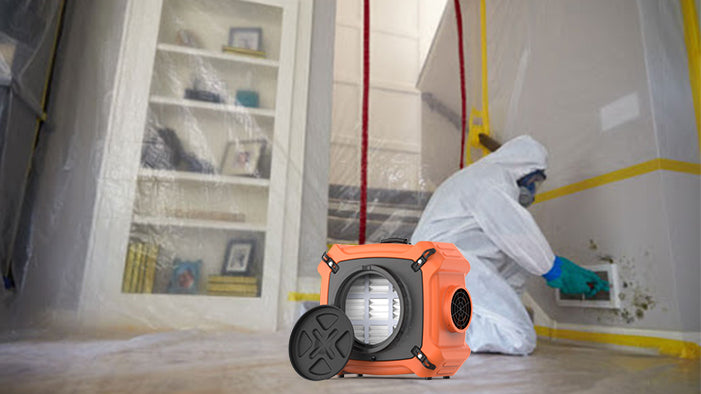
When mold is present, containment prevents particles from spreading during removal.
Plastic barriers isolate the work zone. Negative air pressure systems may be used to keep spores from migrating into unaffected areas.
This step is especially important in open floor plan homes common in Palm Bay.
Skipping containment increases the risk of spreading contamination throughout the house.
Professional Tip #4: Remove, Don’t Just Clean
Porous materials heavily impacted by mold often require removal.
These may include:
Drywall sections
Insulation
Cabinet backing
Carpet padding
Trim and baseboards
Surface cleaning alone does not eliminate contamination inside porous materials.
Structural framing can often be cleaned if moisture has been corrected and contamination is limited to the surface.
The goal is full removal of compromised materials.
Professional Tip #5: Dry Thoroughly Before Rebuilding
Reconstruction should only begin once moisture readings confirm materials are dry.
Drying typically involves:
Commercial dehumidifiers
High-velocity air movers
Humidity monitoring
In Palm Bay’s humid environment, maintaining indoor humidity below 60 percent during drying is critical.
Rebuilding too early traps residual moisture inside walls and cabinets.
Professional Tip #6: Evaluate HVAC and Duct Systems
Plumbing leaks often increase indoor humidity levels.
HVAC systems should be inspected to ensure:
Condensate drain lines are clear
Air filters are replaced
No moisture entered ductwork
Airflow remains balanced
In some cases, duct inspection may be recommended if contamination spread beyond the initial leak area.
Maintaining airflow supports long-term moisture control.
Slab Leaks and Hidden Moisture Concerns
Palm Bay has many slab foundation homes.
If plumbing leaks occur beneath the slab, moisture may migrate upward into flooring and lower drywall sections.
Signs of slab-related moisture include:
Warm spots on flooring
Flooring separation
Persistent musty odors
Cracks in tile grout
Professional detection identifies the leak location and determines whether structural drying is required.
Ignoring slab leaks can lead to recurring mold issues.
Preventing Future Plumbing-Related Mold
Proactive maintenance reduces risk.
Inspect under sinks quarterly.
Replace aging supply lines proactively.
Monitor water pressure levels.
Flush water heaters annually.
Address small drips immediately.
Keep indoor humidity controlled.
Between routine inspections, encourage occupants to report moisture concerns quickly.
Early action prevents larger remediation projects.
Why Local Experience Matters
Palm Bay’s climate presents unique moisture challenges. High humidity, frequent storms, and extended AC use create conditions where plumbing leaks escalate quickly.
Professionals familiar with Brevard County housing styles understand common slab configurations and plumbing layouts in local homes.
Palm Bay Mold Removal has worked extensively throughout Palm Bay and surrounding communities, addressing mold issues directly tied to plumbing failures and Florida’s humid environment.
Protecting Your Property Long-Term
Mold removal after plumbing leaks is about more than eliminating visible growth. It’s about restoring moisture balance, protecting structural materials, and preventing recurrence.
Ignoring early warning signs increases repair costs and long-term damage.
By fixing leaks promptly, using professional moisture detection, containing affected areas, and drying thoroughly before rebuilding, property owners can protect their homes effectively.
In Florida’s humid climate, proactive moisture control remains the most reliable defense against plumbing-related mold problems.