Mold Remediation in Satellite Beach in Commercial Buildings: A Local Homeowner Guide
Mold problems in commercial buildings are more common in Satellite Beach than many property owners expect. Coastal humidity, heavy seasonal storms, and air conditioning systems running most of the year create ideal conditions for moisture to accumulate inside structures. When moisture lingers in walls, ceilings, or HVAC systems, mold growth can begin and spread through occupied spaces.
Whether you own a small office building, a retail space, or a mixed-use property, understanding how mold remediation works helps you respond quickly and protect both the structure and the people using the building.
Why Mold Problems Occur Frequently in Satellite Beach
Satellite Beach sits directly along the coast, which means buildings are constantly exposed to humid air, wind-driven rain, and salt-laden moisture. Over time, these conditions affect roofing materials, window seals, and exterior walls.
Commercial buildings often face additional challenges:
- Larger HVAC systems that produce more condensation
- Roof penetrations for vents and equipment
- Flat or low-slope roofs that hold water longer
- Heavy foot traffic and longer operating hours
- Maintenance delays due to tenant scheduling
Even small leaks or condensation issues can lead to mold growth if not addressed promptly.
Common Causes of Mold in Commercial Buildings
Most mold remediation projects in Satellite Beach begin with identifying the source of moisture. Typical causes include:
- Roof leaks after storms
- Plumbing leaks inside walls or ceilings
- HVAC condensation problems
- Flooding or water intrusion during heavy rain
- Poor ventilation in storage or mechanical rooms
In coastal buildings, moisture may also enter through small exterior gaps that are not immediately visible.
Finding and correcting the moisture source is always the first step before remediation begins.
Signs Property Owners Often Notice First
Mold growth doesn’t always appear as large dark patches. In many cases, the earliest signs are subtle and easy to overlook.
Common indicators include:
- Musty odors in certain rooms or hallways
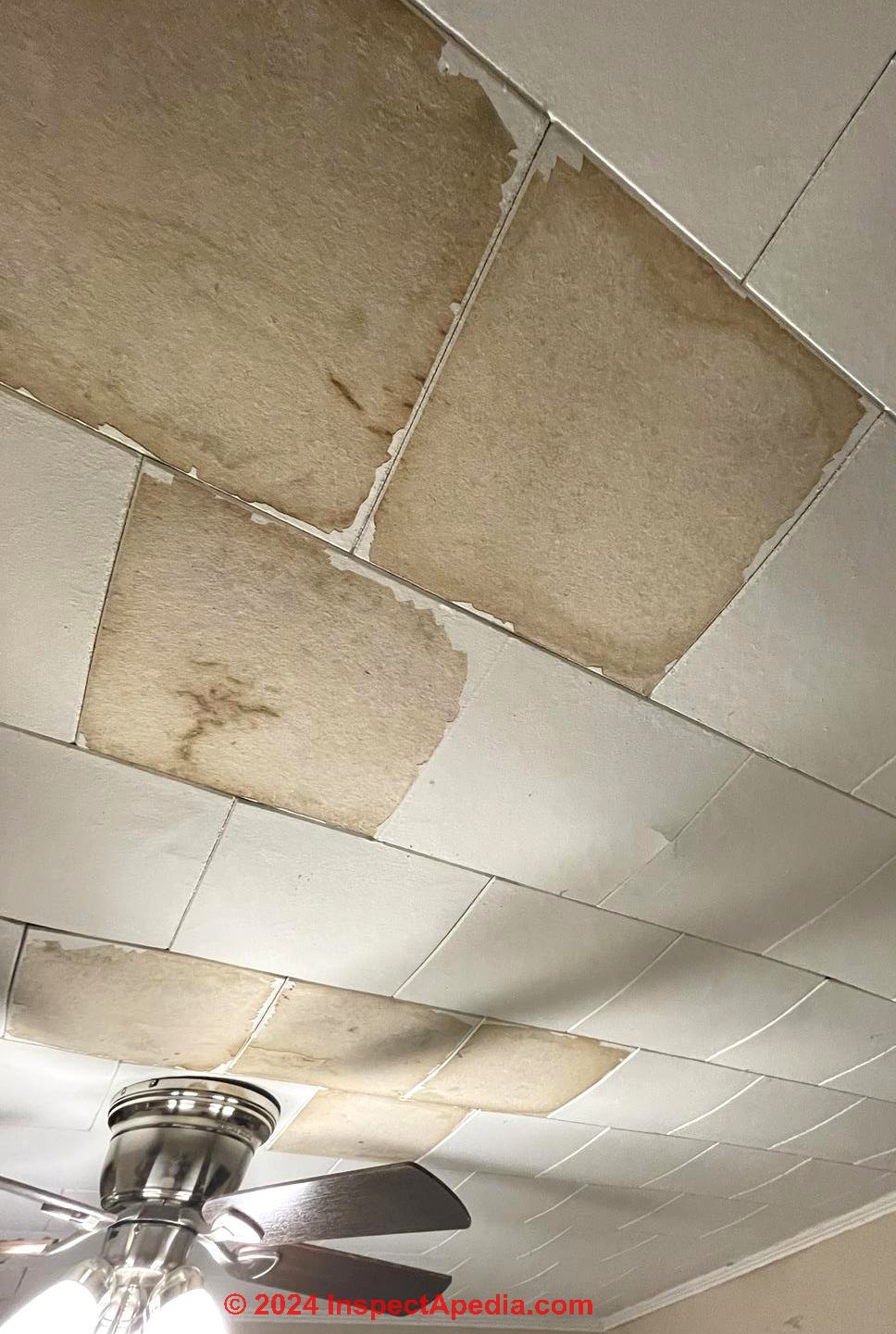
- Stains or discoloration on ceilings
- Peeling paint or bubbling drywall
- Increased indoor humidity
- Tenants reporting allergy-like discomfort or stale air
If these signs appear after a storm, plumbing issue, or roof repair, it’s wise to schedule an inspection sooner rather than later.
Where Mold Often Hides in Commercial Buildings
One of the biggest challenges in commercial properties is that mold frequently develops in areas that are not visible during daily operations.
These areas may include:
- Ceiling cavities above offices or retail spaces
- Behind drywall or wall panels
- Inside HVAC ductwork and air handlers
- Under flooring or carpeting
- Storage areas with limited airflow
Because commercial buildings are larger than residential homes, moisture can spread further before being detected.
Why DIY Mold Removal Rarely Works
It can be tempting to clean visible mold with household cleaners or paint over stains, especially when trying to minimize disruption to tenants. However, surface cleaning alone usually does not solve the problem.
DIY methods often fail because:
- Moisture sources remain unresolved
- Mold exists behind walls or under materials
- Spores spread during cleaning
- Hidden damp areas are not dried properly
Proper remediation focuses on both removing mold and preventing it from returning.
The Mold Inspection Process Explained
Before remediation begins, a professional inspection is necessary to understand the extent of the problem.
A typical inspection may include:
- Visual examination of affected areas
- Moisture measurements in walls and ceilings
- Thermal imaging to detect hidden dampness
- Inspection of HVAC systems and ductwork
- Evaluation of indoor humidity levels
In some situations, testing may be recommended to determine the concentration of airborne spores or confirm contamination in hidden areas.
This information helps create a targeted remediation plan rather than relying on guesswork.
The Mold Remediation Process Step by Step
Once the source of moisture is corrected and the affected areas are identified, remediation can begin.
The process generally involves several stages:
1. Containment
Affected areas are isolated to prevent spores from spreading to clean areas of the building.
2. Removal of Damaged Materials
Severely affected drywall, insulation, or carpeting may need to be removed.
3. Cleaning and Treatment
Structural surfaces such as framing and concrete are cleaned using appropriate methods.
4. Drying and Dehumidification
Air movers and commercial dehumidifiers are used to remove residual moisture.
5. Final Inspection
Moisture levels are checked to confirm the area is dry and stable.
This structured approach helps ensure the remediation is thorough and long-lasting.
The Role of Water Damage Restoration
In many cases, mold remediation is closely connected to water damage restoration. Before rebuilding or repainting begins, the building must be fully dried.
Restoration work may include:
- Water extraction
- Structural drying
- Dehumidification
- Monitoring moisture levels over time
Skipping this step often leads to mold returning beneath new materials.
HVAC Systems and Mold in Commercial Buildings
Air conditioning systems are one of the most common sources of moisture in Satellite Beach buildings.
Problems may include:
- Clogged condensate drain lines
- Moisture buildup in air handlers
- Wet duct insulation
- Poor airflow or ventilation
When mold develops inside HVAC systems, spores can circulate throughout the building. Cleaning ducts and correcting drainage or airflow issues are often part of remediation.
Regular HVAC maintenance significantly reduces mold risk in commercial properties.
Preventing Mold in Coastal Commercial Properties
While mold cannot always be avoided completely in a humid coastal climate, several preventive steps can reduce risk:
- Inspect roofs and flashing regularly
- Keep gutters and drains clear
- Service HVAC systems routinely
- Monitor indoor humidity levels
- Address leaks immediately
Routine maintenance is far less expensive than large remediation projects.
Why Local Experience Matters
Commercial buildings in Satellite Beach face environmental conditions that differ from inland areas. Salt air, strong coastal storms, and year-round humidity all affect how moisture enters and behaves inside structures.
Buildings in Satellite Beach, Merritt Island, Cocoa Beach, and Melbourne often share similar challenges, but each property requires a tailored approach based on construction type, ventilation, and usage.
Companies familiar with local conditions—such as Palm Bay Mold Removal—understand how coastal moisture affects buildings and how to identify and correct problems efficiently.
Local knowledge often leads to faster diagnosis and fewer disruptions for tenants or employees.
A Practical Next Step for Property Owners
If you notice musty odors, ceiling stains, or humidity problems in your commercial building, scheduling a mold inspection is a sensible first step. Early detection helps prevent structural damage and reduces the scope of remediation work.
Mold remediation is most effective when handled promptly and methodically. By addressing moisture sources, drying affected areas, and restoring the building properly, property owners can maintain safe, comfortable spaces for tenants and visitors.
Acting early is the simplest way to keep a small moisture problem from becoming a larger repair project.