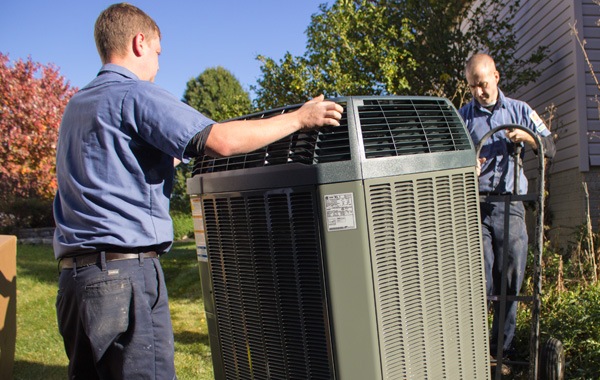
How Water Damage Restoration Helps Homes in Palm Bay from AC Condensation
In Palm Bay, air conditioning is essential for comfort due to the city’s high heat and humidity. However, AC systems can sometimes create hidden water problems, leading to significant damage if left unaddressed. Condensation from air conditioners, leaking drip pans, or blocked drainage lines can accumulate in walls, ceilings, floors, and HVAC ducts, fostering water damage and mold growth.
Building on lessons from Titusville storm-related mold removal, this guide explores how professional water damage restoration addresses AC condensation issues in Palm Bay homes. It covers causes, early warning signs, inspection techniques, remediation processes, preventive measures, and the benefits of acting promptly.
Understanding AC Condensation and Water Damage
Air conditioning units naturally remove humidity from the air, producing condensation as a byproduct. While most AC systems handle this moisture efficiently, problems arise when condensation is not properly drained:
- Clogged condensate lines: Debris, algae, or sludge can block drainage, causing water to back up.
- Leaking drip pans: Corrosion or poor installation allows water to escape onto surrounding surfaces.
- Poor insulation: Cold air ducts may sweat, leading to moisture accumulation inside walls or ceilings.
- HVAC system issues: Leaks in ductwork or malfunctioning units contribute to localized water intrusion.
Persistent moisture from AC condensation can seep into structural materials, causing damage that may not be immediately visible.
Common Signs of AC-Related Water Damage
Property owners should watch for early signs of water intrusion:
- Damp or musty odors in rooms, especially near vents or air handlers
- Water stains on ceilings, walls, or floors
- Warping, bubbling, or discoloration of drywall, baseboards, or flooring
- Visible mold or mildew growth around AC units or ducts
- Condensation forming on windows, pipes, or vents
- Reduced AC efficiency or unusual operational noises
Prompt recognition of these indicators allows for timely professional intervention, reducing long-term damage.
Step 1: Professional Inspection
A thorough inspection is the first step in addressing water damage caused by AC condensation. Palm Bay specialists typically perform:
Visual Assessment
Inspectors examine air handlers, ductwork, ceilings, walls, and flooring for signs of water accumulation or visible damage.
Moisture Detection
Moisture meters, infrared cameras, and hygrometers detect hidden damp areas in wall cavities, subfloors, and insulation.
HVAC Evaluation
Ducts, drip pans, and vents are checked for water intrusion and potential mold growth.
Documentation
Detailed reports include affected areas, moisture readings, and recommended restoration steps, helping with insurance claims and repair planning.
Step 2: Containment and Safety Measures
Containing water damage and preventing mold spread is essential during restoration:
- Seal off affected areas using plastic sheeting
- Turn off HVAC systems to prevent water or mold spread through ducts
- Use negative air pressure for extensive moisture intrusion
- Equip technicians with personal protective equipment (PPE) including gloves, masks, and protective clothing
- Protect or remove furniture and belongings near affected zones
Proper containment ensures safety and efficient restoration.
Step 3: Water Extraction
Removing accumulated water is the next crucial step:
- Industrial pumps and wet vacuums remove standing water from floors or low-lying areas.
- Subfloor water removal addresses moisture trapped beneath flooring materials.
- Repeated monitoring ensures no residual water remains, preventing future mold growth.
Immediate water extraction mitigates structural damage and reduces the risk of secondary mold problems.
Step 4: Drying and Dehumidification
After extraction, thorough drying is critical:
- Air movers circulate airflow to accelerate evaporation from wet surfaces.
- Industrial dehumidifiers lower indoor humidity levels to prevent microbial growth.
- Continuous moisture monitoring ensures walls, ceilings, and floors are completely dry before restoration.
Proper drying protects structural integrity and prevents recurring water damage.
Step 5: Cleaning and Sanitization
AC condensation can introduce contaminants that require cleaning:
- Surface cleaning: Antimicrobial solutions remove potential mold spores, bacteria, and mildew.
- HVAC cleaning: Ducts and vents are cleaned to prevent spores from spreading throughout the home.
- Flooring and subfloor treatment: Carpets, laminate, or hardwood surfaces are cleaned and dried professionally.
- Wall and ceiling treatment: Porous materials like drywall may be sanitized or replaced as needed.
Cleaning ensures a safe environment and prevents long-term indoor air quality problems.
Step 6: Repairs and Restoration
Restoring homes affected by AC condensation requires repairing damaged materials:
- Replace water-damaged drywall, insulation, and flooring
- Repair or replace duct insulation, drip pans, and AC components
- Repaint or refinish walls and ceilings affected by moisture
- Ensure HVAC systems are functioning properly to prevent recurrence
Proper restoration returns homes to safe, habitable, and structurally sound conditions.
Hidden Areas That Require Attention
AC condensation can affect concealed areas, often overlooked by homeowners:
- Inside walls, behind baseboards, or under flooring
- Subflooring and crawl spaces beneath AC vents
- Attics and ceiling cavities near air handlers
- HVAC ductwork and drip pans
Professional tools such as infrared cameras and moisture meters are essential for identifying and addressing hidden water damage.
Health Implications of AC-Related Water Damage
Water damage from AC condensation can indirectly affect health:
- Mold growth triggered by persistent moisture can cause allergic reactions, sneezing, and eye irritation
- Respiratory issues such as coughing, wheezing, or asthma exacerbation
- Musty odors reducing indoor comfort and indicating microbial activity
- Long-term exposure increasing the risk of chronic respiratory conditions
Professional water damage restoration prevents mold colonization and maintains a safe living environment.
Costs of AC-Related Water Damage Restoration
Restoration costs depend on several factors:
- Size of affected areas and severity of water damage
- Type of materials impacted (drywall, flooring, insulation, or ductwork)
- Accessibility of hidden or hard-to-reach locations
- Extent of cleaning, drying, and repair required
Minor AC condensation water damage may cost $500–$2,500, while extensive remediation involving HVAC cleaning, structural repairs, and mold prevention can exceed $5,000–$10,000. Early detection and restoration reduce long-term costs.
Preventive Measures for Homeowners
Property owners in Palm Bay can minimize future AC-related water damage through proactive maintenance:
- Regularly inspect and clean AC drip pans, condensate lines, and air filters
- Ensure ductwork is properly insulated to prevent condensation
- Schedule seasonal HVAC inspections to detect leaks or clogs early
- Use dehumidifiers in areas prone to high humidity
- Maintain adequate airflow throughout the home, particularly in attics and crawl spaces
- Address leaks in roofing, walls, and plumbing immediately
- Educate occupants on reporting moisture or condensation promptly
Preventive care reduces both the likelihood of water damage and the risk of secondary mold growth.
Why Local Expertise Matters
Palm Bay’s humid, coastal climate and seasonal storms present unique water damage challenges. Local restoration professionals understand:
- Seasonal rainfall patterns and common water intrusion points
- Typical construction materials and AC system designs in Palm Bay homes
- Effective restoration, drying, and mold prevention techniques
- Preventive strategies tailored to Florida climate conditions
Companies like Palm Bay Mold Removal provide advanced water damage restoration services, combining local knowledge with professional equipment to protect homes efficiently.
Practical Steps for Homeowners
- Inspect AC units, ducts, and surrounding areas for early signs of condensation or leaks.
- Schedule a professional inspection if water damage is suspected.
- Contain affected areas to prevent moisture spread.
- Remove standing water and dry all affected areas thoroughly.
- Clean and disinfect surfaces to prevent mold growth.
- Repair or replace damaged materials, including drywall, insulation, and flooring.
- Maintain HVAC systems and implement preventive measures such as dehumidifiers and proper airflow.
- Monitor for future leaks, condensation, or musty odors and address issues promptly.
These steps ensure homes remain safe, healthy, and structurally sound year-round.
Final Thoughts
AC condensation can be a hidden source of water damage in Palm Bay homes, leading to structural deterioration, mold growth, and reduced indoor air quality. Professional water damage restoration addresses both visible and concealed damage, protecting health, comfort, and property value.
Building on lessons from Titusville storm-related mold removal, homeowners can appreciate the importance of early detection, local expertise, and proactive maintenance. By investing in professional restoration services and preventive strategies, Palm Bay residents can maintain safe, dry, and comfortable homes even during Florida’s humid and storm-prone months.