
Carpet Cleaning After Flooding in Satellite Beach After Water Damage: What Homeowners Should Know
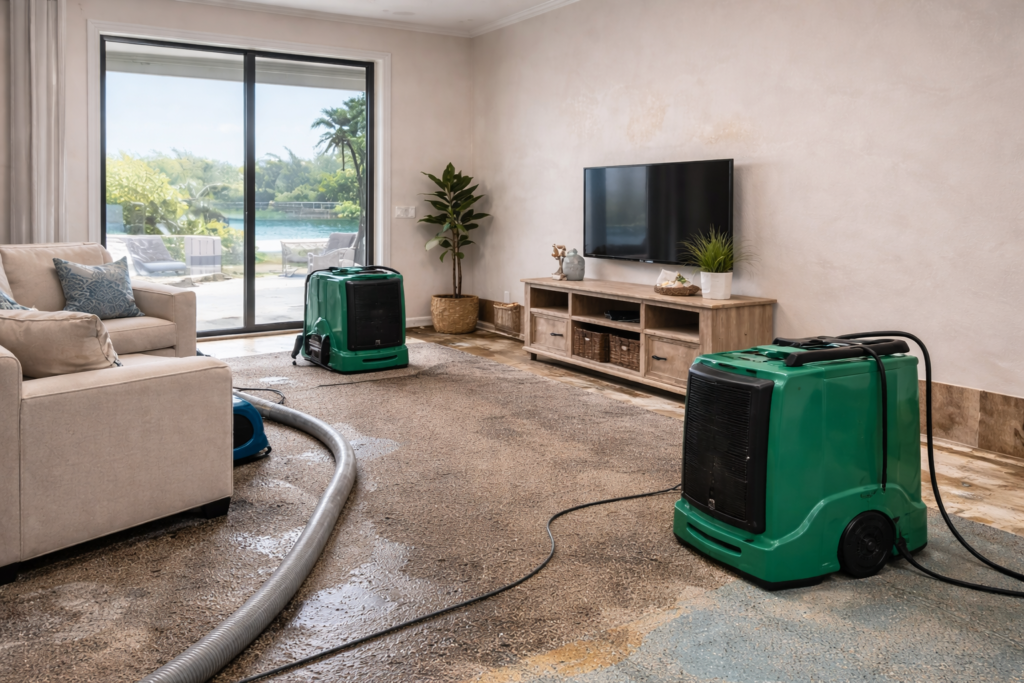
Flooding and water intrusion are unfortunately familiar concerns for many homeowners in Satellite Beach. Living along Florida’s coastline offers incredible views and lifestyle benefits, but coastal weather patterns also bring heavy rainfall, tropical storms, high humidity, and storm surge risks that can quickly lead to indoor flooding.
When water enters a home, carpets are often one of the first materials affected and one of the most misunderstood when it comes to recovery. Many homeowners assume carpets can simply dry on their own, but untreated wet carpeting can lead to odors, mold growth, and long-term indoor air quality issues.
Understanding how carpet cleaning after flooding works—and when professional help becomes necessary—can save both money and frustration. Below is a practical guide tailored for Satellite Beach homeowners dealing with water damage and the steps needed to restore carpets safely.
Understanding What Happens When Carpets Get Wet
Carpets are more complex than they appear. Beneath the visible surface layer lies padding and subfloor materials that absorb water quickly. When flooding occurs, moisture doesn’t stay on top—it soaks downward and spreads laterally beneath flooring.
Floodwater often carries contaminants, sand, salt residue, and debris. Even clean-looking rainwater becomes problematic once it mixes with dirt, insulation, drywall dust, or organic materials inside the home.
In Satellite Beach homes, wet carpets often mean:
- Carpet fibers absorbing moisture
- Padding becoming saturated
- Subfloors holding trapped moisture
- Mold growth beginning within 24–48 hours
- Lingering odors if materials aren’t dried correctly
Simply vacuuming or running fans rarely solves the deeper problem.
Why Flood Damage Happens Frequently in Satellite Beach Homes
Homes along Satellite Beach and nearby communities such as Cocoa Beach, Merritt Island, and Rockledge face unique moisture challenges:
- Heavy seasonal storms
- Hurricane-driven rain and wind intrusion
- Coastal flooding risks
- Elevated humidity year-round
- Storm surge pushing water inland
- Aging seals around windows and doors
- AC systems struggling during extreme weather
Many coastal homes also sit relatively low to the ground, increasing the chance of water entering during intense rain events.
Even homes not directly flooded may suffer water intrusion through roof leaks or window failures during storms.
Early Signs Carpet Damage Homeowners Often Notice
Not all flood damage appears dramatic. Sometimes water exposure goes unnoticed until symptoms appear later. Warning signs include:
- Carpet feeling damp or cool underfoot
- Musty or sour odors after storms
- Carpet discoloration or staining
- Buckling or rippling sections
- Increased allergy-like symptoms indoors
- Mold-like spotting near baseboards
- Padding smell when walking across carpet
- Rooms feeling unusually humid
If carpets were exposed to water even briefly, professional drying evaluation is usually recommended.
Hidden Moisture Problems Beneath Carpets
In many Satellite Beach homes, carpet may feel dry on top while moisture remains trapped below. Padding acts like a sponge, holding water long after the surface dries.
Common hidden moisture sources include:
- Floodwater entering through doors
- Roof leaks soaking ceilings and walls
- AC condensation issues
- Plumbing leaks behind walls
- Stormwater intrusion through foundation cracks
- Wet insulation inside walls dripping onto floors
If moisture remains trapped, mold can begin growing unseen beneath flooring.
Why DIY Carpet Drying Often Falls Short
Homeowners naturally attempt to dry carpets themselves after flooding using fans, towels, or household wet vacuums. While these efforts help surface drying, they rarely address deeper moisture.
DIY attempts often miss:
- Water trapped under padding
- Moisture in subfloor materials
- Mold beginning in hidden areas
- Odor-causing bacteria growth
- Proper sanitation after contaminated water exposure
In coastal climates, humidity slows natural drying, making professional drying equipment more effective.
Professional Carpet Cleaning and Restoration Process Explained
After flooding, professionals follow a structured process to restore carpeting and prevent future problems.
Step 1: Inspection and Moisture Mapping
Technicians inspect the home using moisture meters to determine how far water has spread beneath carpeting and into nearby walls or floors.
Step 2: Water Extraction
High-powered extraction equipment removes standing water from carpets and padding far more efficiently than household tools.
Step 3: Carpet and Padding Evaluation
If padding is heavily contaminated or saturated, it may require removal and replacement. Carpet itself can often be saved if cleaned and dried quickly.
Step 4: Structural Drying
Commercial air movers and dehumidifiers are positioned to dry floors and surrounding materials, preventing hidden moisture pockets.
Step 5: Cleaning and Sanitizing
Carpets are professionally cleaned to remove contaminants and odors introduced during flooding.
Step 6: Final Moisture Verification
Before reinstalling materials, technicians confirm moisture levels have returned to safe ranges.
This process ensures carpets do not develop lingering odor or mold problems.
When Carpets Cannot Be Saved
In some flooding situations, carpets must be replaced. This often occurs when:
- Floodwater contains sewage or contaminants
- Carpets remain wet for several days
- Mold growth has already developed
- Padding cannot be properly cleaned
- Structural damage has occurred
Prompt action increases the chances of saving carpeting.
Flood Restoration and Water Damage Repair Impact Indoor Air Quality
Improperly dried carpets often lead to ongoing indoor air quality problems. Homes in coastal areas frequently develop musty odors or humidity complaints after minor flooding events.
Professional restoration prevents:
- Mold growth beneath flooring
- Odor absorption in carpet fibers
- Microbial contamination
- Persistent indoor humidity issues
Proper carpet recovery is part of protecting overall home health.
AC Systems and Carpet Moisture Problems
Satellite Beach homes rely heavily on air conditioning. However, AC systems sometimes contribute to moisture issues when:
- Condensate drains clog
- Ductwork sweats in humid attics
- Air handlers overflow
- Poor airflow causes humidity buildup
When AC systems struggle, carpets may feel damp even without flooding. Addressing HVAC moisture is often part of full recovery.
Preventing Carpet Damage in Coastal Homes
Homeowners can reduce future risks through preventative maintenance:
- Inspect roofs before storm season
- Seal windows and doors properly
- Maintain AC condensate systems
- Install humidity monitors
- Address minor leaks quickly
- Keep gutters and drainage clear
- Consider water sensors in flood-prone areas
- Elevate valuables in low rooms
Preparation reduces restoration costs when storms occur.
Why Local Coastal Experience Matters
Water damage in Satellite Beach differs from inland communities. Salt air, storm patterns, and coastal construction styles require localized knowledge.
Professionals familiar with Brevard County homes understand how moisture moves through coastal buildings and can recommend solutions tailored to local conditions. Companies serving Palm Bay, Titusville, Rockledge, and surrounding areas regularly encounter these patterns and apply proven recovery strategies.
A Practical Next Step for Homeowners
If your Satellite Beach home experienced flooding or carpet wetting after storms, early professional inspection helps prevent larger problems later. Carpet cleaning after flooding isn’t just about appearance—it protects your home’s structure and indoor comfort.
Addressing water damage calmly and correctly allows families to return to normal living without lingering moisture concerns.