What Homeowners Should Know: Mold Removal in West Melbourne in Older Homes
Older homes in West Melbourne often have charm, solid construction, and established neighborhoods—but they can also be more vulnerable to moisture problems. Over time, roofing materials age, plumbing components wear down, and ventilation systems may not perform as efficiently as they once did. When moisture enters and remains trapped, mold can begin to develop in hidden areas of the home.
Understanding how mold removal works, why it becomes necessary, and how to prevent future problems helps homeowners protect both their property and indoor comfort.
Why Older Homes Are More Vulnerable to Mold
Older homes frequently contain building materials that absorb moisture more easily than modern alternatives. In addition, ventilation and insulation standards have changed significantly over the years.
Several factors increase mold risk in older homes:
- Aging roofs or flashing that allow small leaks
- Older plumbing lines prone to slow leaks
- Less efficient attic ventilation
- Wooden framing and subfloors that absorb moisture
- Older ductwork exposed to humid attic air
In West Melbourne and nearby areas such as Palm Bay and Rockledge, high humidity levels further increase the risk because materials take longer to dry.
What Causes Mold to Develop
Mold needs only three basic conditions to grow:
- Moisture
- Organic material such as wood or drywall
- Warm temperatures
Florida’s climate naturally provides warmth and humidity, so any water intrusion—from a roof leak, plumbing issue, or condensation—can create conditions where mold begins to grow within a short time.
In many homes, mold develops quietly behind walls, in attics, or beneath flooring long before it becomes visible.
Early Signs Homeowners Should Watch For
Mold problems often begin with subtle changes. Paying attention to early warning signs helps prevent larger issues.
Common indicators include:
- Musty or earthy odors
- Discoloration on walls or ceilings
- Peeling paint or bubbling drywall
- Persistent indoor humidity
- Warping baseboards or trim
These signs may appear days or weeks after a leak or moisture event and should not be ignored.
Hidden Areas Where Mold Often Develops
One of the most challenging aspects of mold problems is that growth frequently occurs out of sight.
In older homes, mold commonly develops in:
- Attic insulation and roof decking
- Wall cavities near plumbing lines
- Beneath carpets or flooring
- Inside closets with poor ventilation
- Around air ducts exposed to humidity
Professional inspections in West Melbourne often reveal mold growth in these hidden areas even when visible surfaces appear normal.
Why DIY Mold Removal Is Often Not Effective
Many homeowners attempt to remove mold using household cleaners, but this approach rarely addresses the root cause.
DIY methods often fail because:
- The moisture source remains unresolved
- Mold inside porous materials is not removed
- Hidden growth is overlooked
- Cleaning spreads spores without proper containment
Surface cleaning may improve appearance temporarily, but mold often returns if moisture remains trapped.
How Professional Mold Inspection Works
Proper mold removal begins with a detailed inspection. The purpose is to locate moisture sources and determine the extent of the problem.
A professional inspection typically includes:
- Visual examination of affected areas
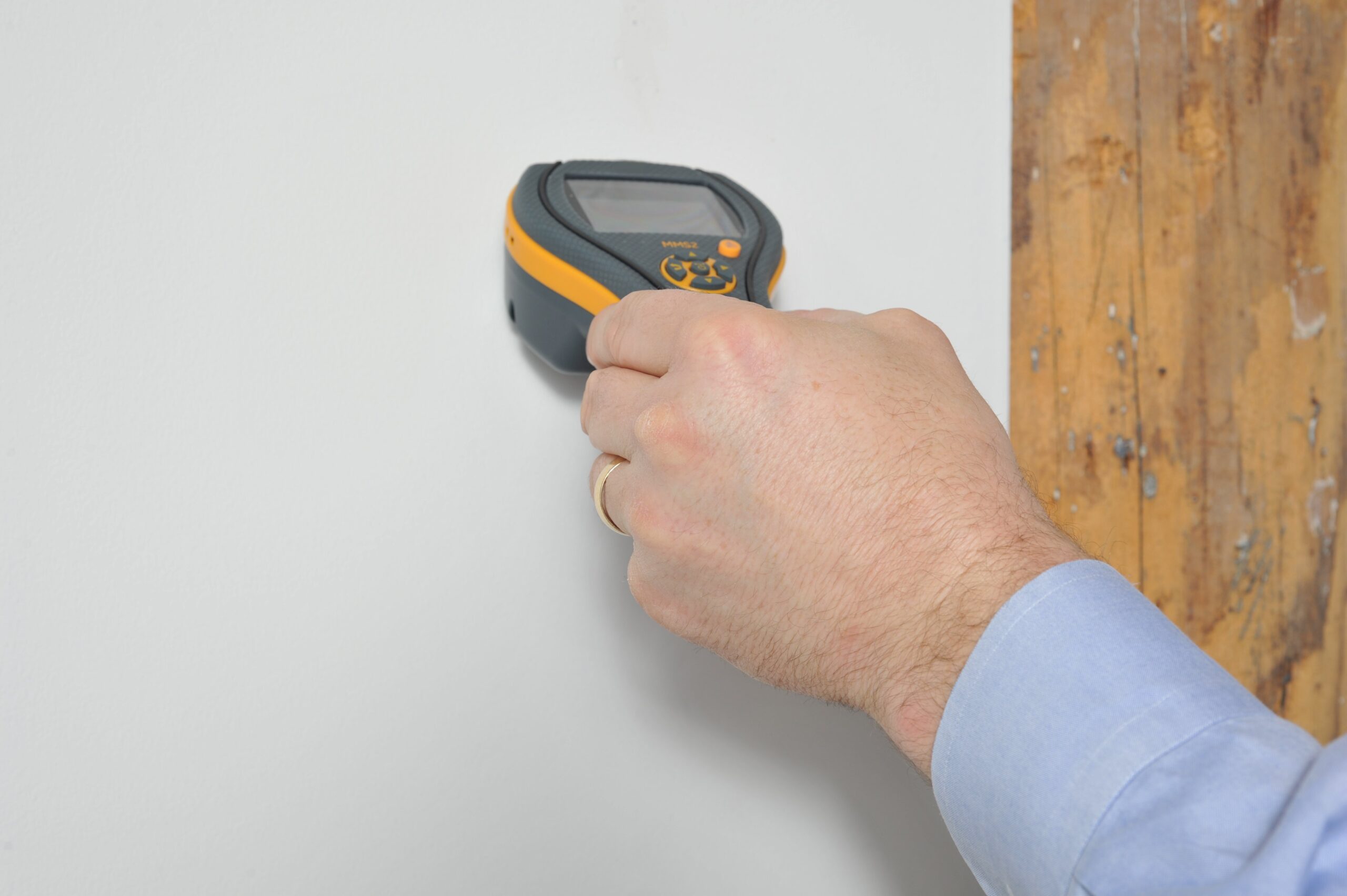
- Moisture readings in walls, ceilings, and floors
- Inspection of attics and crawl spaces
- Evaluation of HVAC and ventilation systems
- Identification of conditions that allow mold to develop
Companies such as Palm Bay Mold Removal frequently perform these inspections throughout West Melbourne and surrounding Brevard County communities, particularly after storms or water damage.
The Mold Removal Process Explained
Once the source of moisture is corrected, mold removal can begin. The process usually follows several steps to ensure safe and thorough results.
Typical steps include:
- Containing affected areas to prevent spread
- Removing contaminated materials when necessary
- Cleaning structural surfaces using appropriate methods
- Filtering air to remove airborne particles
- Drying materials thoroughly and monitoring moisture levels
This structured approach ensures that mold is removed safely and reduces the risk of recurrence.
Water Damage and Structural Drying
Mold removal is often part of a larger restoration process. Moisture that caused the mold must be fully eliminated to prevent further damage.
Drying may involve:
- Air movers to improve airflow
- Dehumidifiers to reduce indoor humidity
- Monitoring moisture levels in building materials
Proper drying is essential in Florida homes because humidity slows natural evaporation.
Air Ducts and Mold in Older Homes
In many older homes, duct systems run through attics or wall cavities where temperatures and humidity levels fluctuate. Moisture in these areas can affect indoor air quality and allow mold to develop.
Potential concerns include:
- Damp duct insulation
- Musty odors when the AC runs
- Reduced airflow
- Dust sticking to damp surfaces
Air duct inspection and maintenance are often recommended when mold or moisture issues are discovered.
Preventing Mold in Older Homes
Preventive maintenance is one of the most effective ways to reduce the risk of mold.
Helpful steps include:
- Inspecting roofs and ceilings regularly
- Repairing plumbing leaks promptly
- Maintaining proper attic ventilation
- Monitoring indoor humidity levels
- Checking attics and crawl spaces periodically
Routine inspections in nearby communities such as Melbourne and Merritt Island often identify small moisture issues before they lead to mold problems.
Why Local Experience Matters
Mold removal in coastal Florida requires an understanding of local environmental conditions. High humidity, frequent storms, and warm temperatures influence how moisture spreads and how quickly mold can develop.
Local professionals understand:
- Typical moisture patterns in Brevard County homes
- Common leak paths in older properties
- Effective drying methods in humid climates
- Areas where hidden mold most often develops
Palm Bay Mold Removal has experience working in West Melbourne and surrounding areas, helping homeowners address mold problems while focusing on long-term prevention.
A Practical Approach for Homeowners
Mold problems in older homes can be stressful, but early action makes a significant difference. Paying attention to warning signs, scheduling inspections when moisture is suspected, and ensuring proper drying are the most effective ways to protect a home.
With regular maintenance and prompt attention to leaks or humidity issues, homeowners in West Melbourne can prevent future damage and keep their homes comfortable and structurally sound for years to come.