How Mold Testing Helps Homes in Cocoa Beach During Rainy Season
The rainy season in Cocoa Beach brings cooler breezes, afternoon storms, and much-needed rainfall—but it also creates ideal conditions for moisture problems inside homes. Frequent rain, elevated humidity, and wind-driven water can allow moisture to enter attics, walls, and flooring. Even small amounts of trapped moisture can eventually lead to mold growth if not detected early.
Mold testing is one of the most effective ways to identify hidden problems during the rainy season. It helps property owners understand what’s happening inside their homes and take steps to prevent long-term damage.
Why Rainy Season Increases Mold Risk
During the rainy months, homes in Cocoa Beach experience higher humidity levels for extended periods. When this moisture combines with warm temperatures and organic building materials, conditions become favorable for mold growth.
Several factors increase the risk:
- Frequent rainstorms and prolonged damp weather
- Roof leaks or minor water intrusion around flashing
- Moist air entering through vents or small gaps
- AC systems working harder to control humidity
- Slower drying of materials after leaks or spills
Homes in nearby areas like Satellite Beach, Merritt Island, and Melbourne face similar challenges, particularly when storms occur several days in a row and moisture doesn’t have time to evaporate fully.
What Mold Testing Actually Does
Mold testing is designed to confirm whether mold is present, determine where it may be developing, and identify conditions that allow it to grow.
A proper mold testing process typically includes:
- Inspection of visible areas for signs of moisture or mold
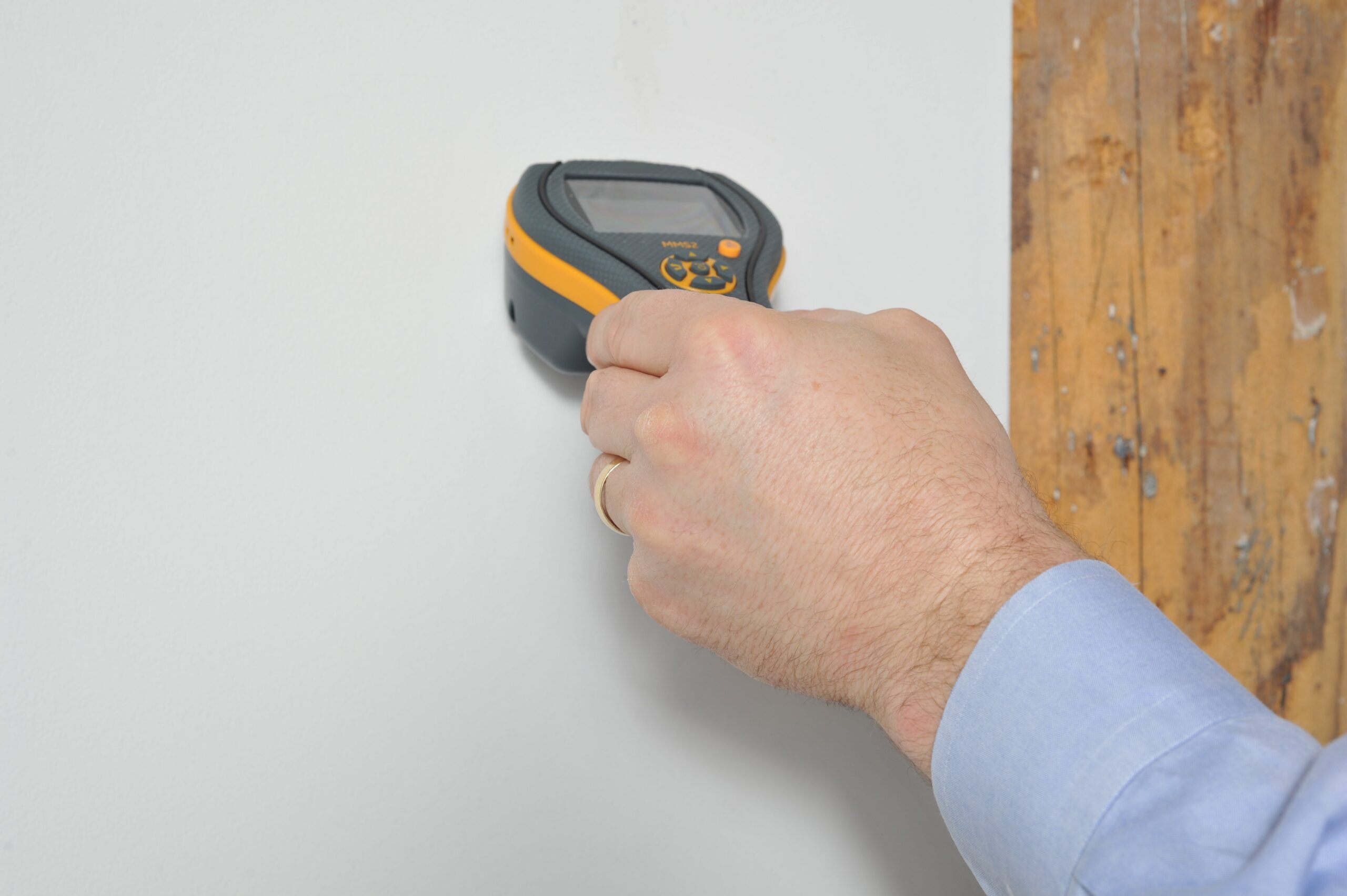
- Moisture meter readings in walls, ceilings, or flooring
- Evaluation of humidity levels and airflow
- Air or surface sampling when necessary
- Identification of potential moisture sources
Testing helps reveal problems that are not visible yet, which is especially valuable during the rainy season when mold may be developing quietly.
Early Signs That Mold Testing May Be Needed
Many homeowners assume mold will be obvious, but early signs are often subtle.
Common warning signs include:
- Musty or damp odors indoors
- Small dark spots near vents or ceiling corners
- Peeling paint or minor drywall discoloration
- Windows or surfaces that remain damp longer than usual
- Increased humidity inside the home
These signs are often the first indicators that moisture levels are higher than normal.
Hidden Areas Where Mold Often Develops
One of the main benefits of mold testing is identifying hidden growth.
In Cocoa Beach homes, mold frequently develops in:
- Attic insulation after roof leaks
- Wall cavities near windows or exterior walls
- Beneath carpets or flooring
- Inside air ducts exposed to humid air
- Around AC air handler units and drain lines
Because these areas are rarely inspected during routine cleaning, mold can grow for weeks before being noticed.
Why Mold Testing Is Important After Heavy Rains
After periods of heavy rainfall, moisture can remain trapped in building materials even if no visible flooding occurred. Roof leaks, condensation, or small plumbing issues may go unnoticed but still raise moisture levels.
Mold testing helps determine:
- Whether hidden moisture is present
- Whether mold has started developing
- Which areas need drying or repair
- How to prevent further growth
Companies such as Palm Bay Mold Removal often perform these inspections across Cocoa Beach and Brevard County, especially after extended rainy periods when homeowners notice odors or humidity changes.
The Role of Moisture Detection in Mold Prevention
Mold cannot grow without moisture, which makes moisture detection a critical part of mold testing. Specialized tools can identify damp areas behind walls or under flooring before visible damage appears.
Moisture detection helps prevent:
- Structural damage to drywall and wood
- Persistent odors
- Recurring mold growth
- Expensive restoration projects later
Early detection is one of the most effective ways to protect a home during the rainy season.
Air Ducts and HVAC Systems During Humid Weather
Air conditioning systems play a major role in controlling humidity, but during the rainy season they can also contribute to moisture problems if not maintained properly.
Potential concerns include:
- Condensation around ductwork
- Clogged condensate drain lines
- Damp insulation in attic ducts
- Musty odors when the AC runs
Mold testing often includes checking HVAC systems to ensure moisture is not accumulating in areas that affect indoor air quality.
How Mold Testing Helps Prevent Future Damage
One of the most valuable aspects of mold testing is prevention. Identifying problems early allows property owners to correct moisture issues before they cause structural damage.
Testing helps homeowners:
- Detect leaks or ventilation problems
- Improve airflow and humidity control
- Dry materials before mold spreads
- Plan repairs before damage becomes severe
Preventive action is almost always less costly than large-scale mold remediation.
Practical Steps to Reduce Mold Risk During Rainy Season
In addition to mold testing, homeowners can take several steps to reduce the risk of moisture problems.
Helpful tips include:
- Inspect roofs and ceilings after storms
- Keep gutters and drainage systems clear
- Use dehumidifiers if indoor humidity rises
- Check attics and crawl spaces periodically
- Address small leaks immediately
Routine inspections in Palm Bay, Rockledge, and Titusville often identify small moisture issues early, preventing long-term damage.
Why Local Experience Matters
Homes in coastal Florida behave differently than homes in dry climates. High humidity, salt air, and frequent storms affect building materials and drying times.
Local professionals understand:
- Typical moisture patterns in Brevard County homes
- How coastal weather affects ventilation and roofing
- Common locations where mold develops first
- Effective drying and humidity control methods
Palm Bay Mold Removal has experience working in Cocoa Beach and surrounding areas, helping property owners identify moisture issues early and prevent future mold problems.
A Practical Approach to Protecting Your Home
The rainy season doesn’t have to lead to mold problems. Paying attention to early warning signs, scheduling inspections when moisture is suspected, and maintaining proper ventilation can significantly reduce the risk of damage.
Mold testing provides valuable information that helps homeowners take the right steps at the right time. By addressing moisture issues early, homes in Cocoa Beach can remain dry, comfortable, and structurally sound—even during the wettest months of the year.