Mold Removal Services in Viera After Storm Damage: Complete Guide for Homeowners
Storms are a regular part of life in Viera and throughout Brevard County. Heavy rain, wind-driven moisture, and occasional flooding can all introduce water into homes, often in ways that are not immediately visible. While standing water may be removed quickly, moisture left behind in walls, ceilings, insulation, or flooring can lead to mold growth within days.
Understanding how mold removal services work after storm damage helps homeowners act early, prevent structural problems, and keep their homes safe and comfortable.
How Storm Damage Leads to Mold Problems
Storm-related mold growth usually begins with hidden moisture. Rainwater may enter through:
- Roof leaks or damaged shingles
- Window or door seals
- Attic vents exposed to wind-driven rain
- Flooding around foundations
- Overflowing gutters and drainage systems
Once moisture enters, it can spread into insulation, drywall, and wood framing. In Viera homes, high humidity often slows the drying process, creating conditions where mold can develop quickly if the affected areas are not properly dried.
Why Mold After Storms Is So Common in Viera
Florida’s climate makes storm-related mold problems more likely than in many other regions.
Several local factors contribute:
- High humidity that slows evaporation
- Warm temperatures that encourage mold growth
- Frequent summer storms
- Attic spaces that trap heat and moisture
- Air conditioning systems that create condensation in humid conditions
Homes in nearby communities such as Melbourne, Rockledge, and Merritt Island often experience similar challenges, especially when storms are followed by hot, humid weather.
Early Warning Signs Homeowners Should Watch For
Mold does not always appear immediately after a storm. In many cases, the first signs are subtle and easy to overlook.
Common warning signs include:
- Musty or earthy odors
- Small dark spots on ceilings or walls
- Peeling paint or bubbling drywall
- Persistent indoor humidity
- Damp or discolored insulation in attics
These signs often appear several days after a storm, once moisture has had time to affect building materials.
Hidden Areas Where Mold Often Develops
One of the biggest challenges after storm damage is moisture in areas that are not easily visible.
Common hidden locations include:
- Behind drywall in exterior walls
- Inside attic insulation
- Beneath carpet or flooring
- Around window frames
- Inside air ducts exposed to humid air
Professional inspections frequently uncover mold growth in these areas, especially in homes that experienced roof leaks or attic moisture after storms.
Why DIY Mold Removal Usually Fails
Many homeowners attempt to clean visible mold themselves, but this approach rarely addresses the full problem.
DIY removal often falls short because:
- The moisture source has not been corrected
- Mold inside porous materials remains
- Hidden growth is not detected
- Cleaning spreads spores without proper containment
Surface cleaning may temporarily improve appearance, but mold often returns if moisture remains trapped behind walls or under flooring.
How Professional Mold Inspection and Testing Works
A thorough mold removal project begins with a detailed inspection. The purpose is to determine how far moisture and mold have spread.
A typical inspection includes:
- Visual examination of affected areas
- Moisture meter readings in walls and ceilings
- Attic inspection for damp insulation or wood
- Evaluation of HVAC and ventilation systems
- Targeted testing when necessary
Companies such as Palm Bay Mold Removal often perform these inspections throughout Viera, Cocoa Beach, and Titusville after major storms.
The Mold Removal and Remediation Process
Once the inspection is complete and moisture sources are addressed, the removal process begins.
A typical mold remediation process involves:
- Containing affected areas to prevent spread
- Removing contaminated materials when necessary
- Cleaning structural surfaces using appropriate methods
- Using air filtration to capture airborne particles
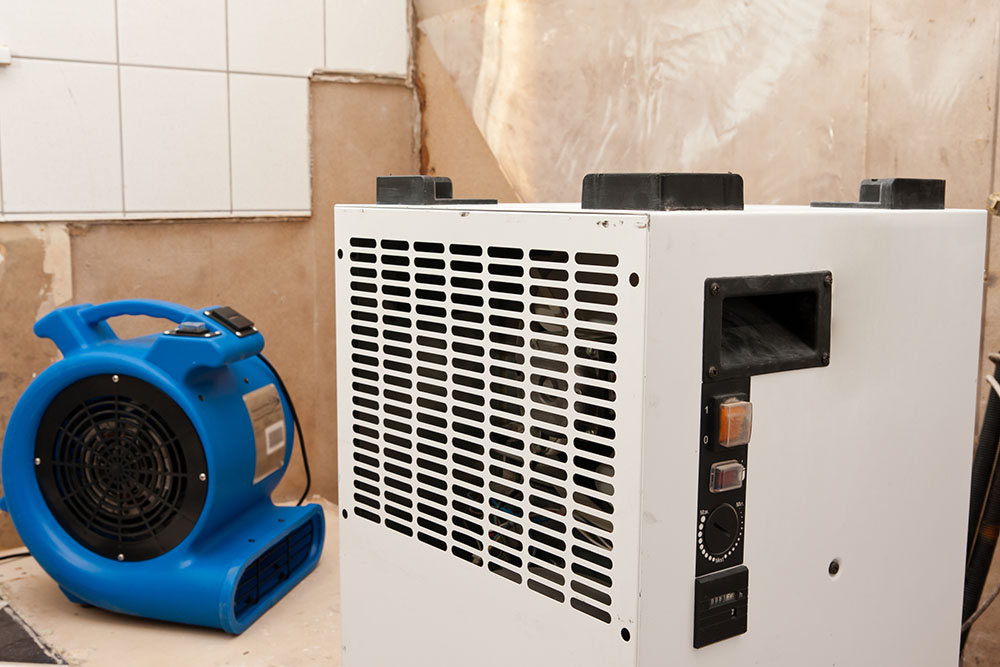
- Drying materials thoroughly and monitoring moisture levels
This structured process ensures that mold is removed safely and effectively.
Water Damage Restoration After Storms
Mold removal is often part of a larger restoration effort. Storm damage may affect ceilings, insulation, flooring, or structural components that require drying and repair.
Restoration may include:
- Drying wall cavities and insulation
- Repairing drywall or ceilings
- Replacing water-damaged materials
- Monitoring humidity levels during drying
Proper drying is critical because even small amounts of trapped moisture can allow mold to return.
Air Ducts and HVAC Systems After Storm Damage
Storm-related moisture can also affect ductwork and air conditioning systems, particularly in homes where ducts run through attics.
Potential issues include:
- Moisture inside duct insulation
- Musty odors when the AC operates
- Reduced airflow
- Increased indoor humidity
Air duct inspection and cleaning may be recommended when contamination or moisture is confirmed.
Preventing Mold After Future Storms
While storms cannot be prevented, several steps help reduce the risk of mold growth afterward.
Helpful prevention measures include:
- Inspecting roofs and ceilings after heavy rain
- Checking attics for damp insulation
- Cleaning gutters and drainage systems
- Running dehumidifiers if humidity remains high
- Addressing leaks immediately
Routine inspections in Viera and Palm Bay often detect small moisture issues before they lead to major repairs.
Why Local Experience Matters
Storm damage and mold behave differently in Florida than in cooler climates. High humidity and coastal weather patterns require specialized drying and inspection methods.
Local professionals understand:
- Typical moisture patterns in Brevard County homes
- How storms affect roofs and attic spaces
- Effective drying methods in humid environments
- Areas where hidden mold most often develops
Palm Bay Mold Removal has experience working in Viera and surrounding communities, helping property owners address both immediate mold concerns and long-term prevention.
A Practical Approach for Homeowners
Storm damage can be stressful, but mold problems are often preventable with quick action. Paying attention to early warning signs, scheduling inspections when moisture is suspected, and ensuring proper drying are the most effective ways to protect a home.
By responding promptly and maintaining regular inspections, homeowners in Viera can keep their homes dry, safe, and comfortable even after severe storms.