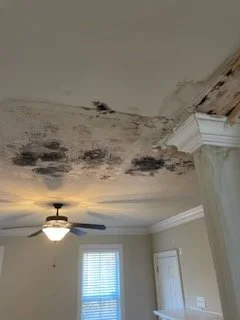
Professional Tips for Property Owners: Mold Removal in Titusville After Storm Damage
Storm damage in Titusville can create the perfect conditions for mold growth, especially in homes and rental properties that experience water intrusion, roof leaks, or flooding. Florida’s high humidity, heavy rainfall, and hurricanes increase the risk of structural and indoor air quality issues following storms. Mold not only damages building materials but can also affect occupant health and reduce property value. For property owners, understanding professional mold removal techniques is essential to address storm-related damage effectively.
Building on lessons from Viera older-home mold inspections, this guide provides a comprehensive overview of mold removal after storm damage in Titusville, including early warning signs, inspection procedures, remediation steps, costs, and preventive measures.
Why Storm Damage Leads to Mold Growth
Storms can introduce large amounts of water into a property in a short time, creating conditions favorable for mold:
- Roof leaks: Heavy rainfall and wind damage can compromise roofing, allowing water to seep into attics, ceilings, and walls.
- Flooding: Hurricanes or localized storms can flood basements, crawl spaces, and ground floors.
- HVAC system issues: AC condensation and duct leaks can accumulate moisture in walls and ceilings.
- Poor drainage: Saturated yards or clogged gutters can lead to water intrusion through foundations or walls.
- Ventilation problems: Limited airflow traps humidity, particularly in attics, closets, and bathrooms.
Even minor storm-related water damage can quickly escalate to mold colonization if not addressed promptly.
Early Signs of Mold After Storm Damage
Property owners should monitor for early indicators of mold growth:
- Musty or damp odors in rooms, attics, or basements
- Water stains, discoloration, or bubbling paint on walls and ceilings
- Visible black, green, or white mold spots
- Warped or soft flooring, particularly carpet or laminate
- Condensation on windows, pipes, or HVAC ducts
- Increased allergy or respiratory symptoms among occupants
Recognizing these signs early allows homeowners and landlords to act before mold spreads extensively.
Step 1: Professional Mold Inspection
A professional mold inspection is the first step in addressing storm-related mold:
Visual Assessment
Inspectors check attics, crawl spaces, walls, ceilings, and HVAC systems for water damage or visible mold.
Moisture Detection
Pinless moisture meters, hygrometers, and infrared cameras detect hidden moisture in walls, flooring, and insulation.
Air and Surface Testing
Air samples and swabs identify mold species and spore concentrations, helping determine the severity and appropriate remediation methods.
Documentation
Detailed inspection reports note affected areas, moisture levels, and recommended remediation steps, which are crucial for insurance claims and repair planning.
Step 2: Containment and Safety Precautions
Containment is essential during mold removal to prevent spores from spreading:
- Seal off affected areas with plastic sheeting
- Turn off HVAC systems to prevent airborne distribution of spores
- Use negative air pressure when contamination is extensive
- Equip technicians with gloves, masks, and protective clothing
- Protect or relocate furniture and personal items near affected areas
Proper containment ensures safety for occupants and efficiency during remediation.
Step 3: Mold Remediation Process
Professional mold removal follows a structured process to ensure complete remediation:
Cleaning and Disinfecting
Non-porous surfaces like wood, metal, and tile are scrubbed and disinfected using antimicrobial solutions to eliminate mold spores.
Removal of Contaminated Materials
Porous materials such as drywall, insulation, and carpeting with significant mold growth are removed and replaced.
Drying and Dehumidification
Industrial air movers and dehumidifiers are used to thoroughly dry affected areas, preventing mold from returning.
HVAC Cleaning
Air ducts, vents, and air handling units are cleaned to prevent mold spores from circulating throughout the home.
Repairs and Restoration
Any structural damage from water or mold is repaired, including replacing damaged drywall, flooring, or insulation, restoring the home to safe and habitable conditions.
Hidden Areas That Require Attention
Storm-related mold often develops in concealed locations:
- Inside wall cavities and behind baseboards
- Under flooring or subflooring
- Attics, crawl spaces, and ceilings
- HVAC ducts, drip pans, and air handling units
Specialized tools such as infrared cameras and moisture meters are essential to detect and remediate hidden mold in these areas.
Health Implications of Mold
Mold exposure following storms can have serious health consequences:
- Allergic reactions such as sneezing, runny nose, or itchy eyes
- Respiratory issues including coughing, wheezing, or asthma flare-ups
- Musty odors that reduce indoor comfort
- Prolonged exposure potentially aggravating chronic respiratory conditions
Professional mold removal ensures the home is safe and minimizes health risks for residents.
Costs of Storm-Related Mold Remediation
Remediation costs depend on factors such as:
- Extent of mold growth
- Type of mold present
- Materials affected (drywall, insulation, flooring, HVAC components)
- Accessibility and complexity of the property
Small-scale mold removal may cost $500–$2,500, while extensive remediation for larger or severely damaged homes can exceed $5,000–$10,000. Early inspection and professional remediation reduce long-term expenses and prevent further damage.
Preventive Measures for Property Owners
After storm damage, property owners should adopt preventive strategies to reduce future mold risk:
- Regularly inspect and maintain roofs, gutters, and downspouts to prevent leaks
- Ensure proper grading and drainage around foundations
- Schedule HVAC inspections and cleanings to prevent moisture accumulation
- Install dehumidifiers in humid or poorly ventilated areas
- Monitor for leaks, condensation, and musty odors year-round
- Educate tenants or occupants about reporting water intrusion promptly
Implementing these preventive measures protects both the structure and the health of residents.
Why Local Expertise Matters
Titusville’s coastal climate, high humidity, and storm exposure create specific challenges for mold prevention and remediation. Local professionals understand:
- Seasonal storm patterns and rainfall risks
- Common construction materials and roof types in local homes
- Effective inspection, cleaning, and drying methods for storm-damaged properties
- Preventive strategies tailored to Titusville’s climate
Companies like Palm Bay Mold Removal provide expert storm-related mold remediation services using local knowledge and advanced equipment to restore homes safely.
Practical Steps for Property Owners
- Inspect homes immediately after storms for visible water damage or mold.
- Schedule professional mold inspections for early detection of hidden contamination.
- Contain affected areas to prevent spores from spreading.
- Clean and disinfect affected surfaces and materials.
- Remove and replace contaminated insulation, drywall, or flooring.
- Dry all affected areas thoroughly using industrial air movers and dehumidifiers.
- Repair roofing, plumbing, HVAC systems, and other structural components.
- Implement preventive measures including seasonal inspections, humidity monitoring, and maintenance of drainage systems.
These steps protect homes, preserve indoor air quality, and prevent costly long-term damage.
Final Thoughts
Mold removal after storm damage in Titusville is crucial for protecting homes, ensuring occupant safety, and maintaining property value. Professional inspection, remediation, and preventive maintenance are essential for addressing both visible and hidden mold contamination.
Building on lessons from Viera older-home mold inspections, property owners can appreciate the importance of early detection, local expertise, and proactive maintenance. By investing in professional mold removal services and ongoing preventive strategies, Titusville residents can safeguard their homes and maintain a healthy, mold-free environment year-round.