Mold Inspection Services in West Melbourne After Water Damage: How to Prevent Future Damage
Water damage is one of the most common triggers of mold problems in West Melbourne homes. Whether caused by roof leaks, plumbing failures, storm flooding, or AC condensation, moisture can remain trapped inside building materials long after surfaces appear dry. That hidden moisture often becomes the starting point for mold growth.
Mold inspection services play an important role after any water damage event. A thorough inspection helps identify hidden moisture, detect early mold development, and prevent long-term structural problems that can become expensive to repair.
Why Mold Often Appears After Water Damage
Mold requires only three basic conditions to grow:
- Moisture
- Organic material such as drywall or wood
- Warm temperatures
Florida’s climate naturally provides warmth and humidity, so when water intrusion occurs, conditions become ideal for mold growth in a short period of time.
In West Melbourne and nearby communities like Palm Bay, Rockledge, and Melbourne, technicians often find mold forming inside wall cavities, under flooring, and in attic insulation following even minor water events.
What Mold Inspection Services Actually Involve
A mold inspection is more than just looking for visible spots on walls or ceilings. The primary goal is to locate moisture sources and determine whether mold has begun developing in hidden areas.
A professional inspection typically includes:
- Visual examination of affected areas
- Moisture meter readings in walls, ceilings, and flooring
- Inspection of attics, crawl spaces, and HVAC systems
- Identification of ventilation or humidity issues
- Recommendations for drying or remediation when necessary
By identifying the extent of moisture early, inspections help prevent small problems from becoming larger restoration projects.
Why Water Damage in West Melbourne Often Leads to Mold
Several local factors make mold more likely after water damage in Brevard County homes.
Common contributing conditions include:
- High year-round humidity
- Heavy seasonal storms
- Slower drying times due to warm, moist air
- Older building materials in established neighborhoods
- Limited ventilation in attics and closets
Homes in coastal areas such as Satellite Beach and Cocoa Beach face similar challenges, especially when storm-driven rain or roof leaks introduce moisture into attic spaces.
Early Signs Mold May Be Developing
Mold does not always appear immediately after water damage. In many cases, early warning signs are subtle.
Property owners often notice:
- Musty or damp odors
- Discoloration on walls or ceilings
- Peeling paint or bubbling drywall
- Persistent humidity indoors
- Carpet or flooring that remains slightly damp
These signs may appear days or weeks after the original water damage, which is why follow-up inspections are important.
Hidden Areas Where Mold Often Forms
One of the most valuable aspects of professional mold inspection is identifying areas that are easy to overlook.
Common hidden mold locations include:
- Behind drywall near leaks
- Inside insulation in attics
- Beneath carpets and padding
- Around window frames and baseboards
- Inside air ducts exposed to moisture
In West Melbourne homes, attic insulation and ceiling cavities are among the most frequent areas where mold develops after roof leaks or plumbing issues.
Why DIY Mold Checks Often Miss the Problem
Many homeowners try to inspect for mold themselves, but hidden moisture is difficult to detect without proper equipment.
DIY inspections often miss:
- Moisture trapped beneath flooring
- Damp insulation behind walls
- Condensation inside duct systems
- Early-stage mold growth not yet visible
Professional inspectors use moisture meters and other tools that provide a much clearer understanding of the situation.
How Mold Inspection Helps Prevent Future Damage
Mold inspection is not only about identifying current problems—it also helps prevent future ones.
An inspection can reveal:
- Areas where moisture is likely to accumulate
- Ventilation problems that increase humidity
- Plumbing or roofing issues that need repair
- HVAC conditions that contribute to condensation
Correcting these issues early helps reduce the likelihood of repeated mold problems.
The Role of Drying and Water Damage Restoration
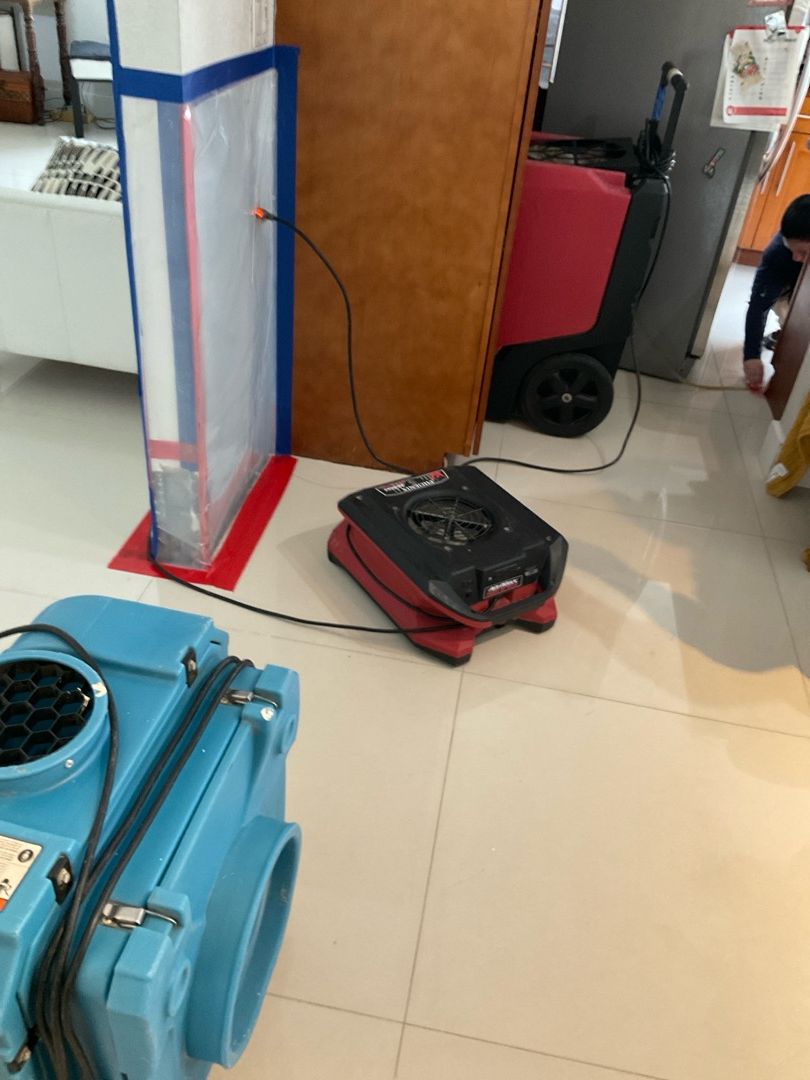
After water damage, drying is one of the most important steps in preventing mold growth. Even small amounts of trapped moisture can lead to problems if not properly addressed.
Drying may involve:
- Air movers to increase airflow
- Dehumidifiers to remove moisture from the air
- Monitoring moisture levels in building materials
- Removing saturated materials when necessary
In many cases, mold inspection is performed alongside water damage restoration to confirm that drying has been successful.
Air Ducts, AC Systems, and Moisture Problems
HVAC systems can also contribute to mold growth after water damage. Moisture in ductwork or around air handlers can affect indoor air quality and spread contaminants through the home.
Potential concerns include:
- Condensation on duct surfaces
- Moisture in duct insulation
- Musty odors when the AC runs
- Poor airflow due to clogged filters or damp components
Air duct inspection and maintenance are often recommended when mold or moisture is discovered near HVAC systems.
Preventing Mold After Water Damage
Property owners can reduce the risk of mold growth by taking preventive steps after any water intrusion.
Helpful measures include:
- Removing standing water as quickly as possible
- Drying affected materials thoroughly
- Repairing leaks promptly
- Maintaining proper ventilation
- Monitoring humidity levels indoors
Routine inspections, especially after storms, help identify small moisture problems before mold develops.
Why Local Experience Matters in Mold Inspection
Florida homes behave differently from homes in cooler climates. High humidity, coastal weather patterns, and construction styles all influence how moisture spreads and dries.
Local professionals understand:
- Common leak paths in Brevard County homes
- Typical drying times in humid conditions
- Areas where mold most often develops
- Effective moisture control strategies
Palm Bay Mold Removal has experience working in West Melbourne and surrounding communities, helping property owners address both immediate mold concerns and long-term prevention.
A Practical Approach to Protecting Your Property
Water damage can happen unexpectedly, but mold growth is often preventable with timely inspections and proper drying. Paying attention to early warning signs and scheduling a professional mold inspection after water intrusion helps protect both the structure of the home and indoor air quality.
By acting early and maintaining proper ventilation and moisture control, homeowners in West Melbourne can prevent future damage and keep their properties dry, stable, and comfortable throughout Florida’s humid seasons.