Mold Inspection Services in Viera in Older Homes: How to Prevent Future Damage
Older homes in Viera are particularly vulnerable to mold growth due to aging construction materials, wear on roofing and plumbing, and long-term exposure to the region’s high humidity and seasonal storms. Mold can compromise structural integrity, reduce indoor air quality, and pose health risks for residents. Professional mold inspection services play a crucial role in identifying hidden contamination, addressing existing problems, and preventing future damage.
Building on lessons from Merritt Island mold remediation from AC condensation, this guide provides homeowners and property managers with a comprehensive understanding of mold inspection in older homes, warning signs to watch for, the inspection process, remediation solutions, and preventive strategies tailored to Viera’s climate and housing stock.
Why Older Homes Are Prone to Mold
Several factors make older Viera homes susceptible to mold:
- Aging materials: Wood, drywall, insulation, and plaster can deteriorate, absorbing moisture more easily.
- Roof and plumbing wear: Leaks in roofs, gutters, or plumbing can introduce water into walls, ceilings, and floors.
- Foundation issues: Settling foundations may create cracks, allowing water intrusion into crawl spaces or basements.
- Inadequate ventilation: Older homes often have less efficient HVAC systems and limited airflow, trapping humidity indoors.
- Historical damage: Previous flooding or water leaks may leave hidden moisture pockets conducive to mold growth.
These conditions create ideal environments for mold spores to thrive, often in hidden or hard-to-reach areas.
Common Signs of Mold in Older Homes
Homeowners should watch for subtle indicators before mold spreads extensively:
- Musty odors in basements, attics, or behind walls
- Water stains, bubbling paint, or warped flooring
- Visible mold spots along ceilings, walls, or baseboards
- Condensation on windows, pipes, or HVAC components
- Allergy symptoms or respiratory irritation among occupants
- Deterioration of wooden structures, cabinetry, or flooring
Early recognition allows timely inspections and prevents costly structural repairs.
Step 1: Professional Mold Inspection
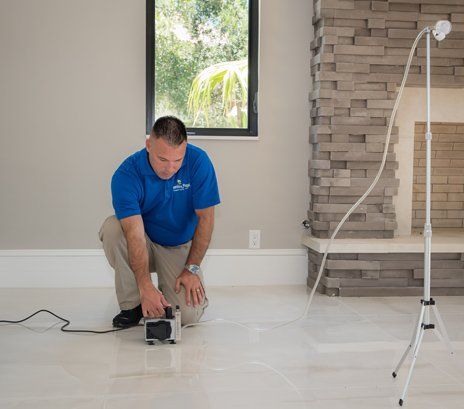
A professional mold inspection is essential to identify both visible and hidden mold contamination. Experts typically follow these steps:
Visual Assessment
Inspectors examine attics, crawl spaces, bathrooms, kitchens, basements, and HVAC systems for signs of moisture or mold.
Moisture Measurement
Pinless moisture meters, hygrometers, and infrared cameras detect hidden water in walls, floors, ceilings, and insulation.
Air and Surface Testing
Air sampling and surface swabs measure spore concentrations and identify mold species, helping determine severity and remediation requirements.
Documentation
Detailed reports note affected areas, contamination levels, and recommended remediation measures, supporting maintenance planning and insurance documentation.
Step 2: Containment and Safety Precautions
Proper containment ensures mold spores do not spread during remediation:
- Seal off affected areas using plastic sheeting
- Turn off HVAC systems to prevent air circulation of spores
- Use negative air pressure for significant infestations
- Equip technicians with gloves, masks, and protective clothing
- Protect or relocate furniture and belongings near affected areas
These measures maintain safety for occupants and facilitate efficient remediation.
Step 3: Mold Remediation Process
Professional mold remediation in older homes includes the following steps:
Cleaning and Disinfecting
Non-porous surfaces such as wood, metal, and tile are cleaned with antimicrobial solutions to remove spores.
Removal of Contaminated Materials
Porous materials such as insulation, drywall, and carpeting with significant mold growth may require removal and replacement.
Drying and Dehumidification
Industrial air movers and dehumidifiers eliminate residual moisture, preventing mold from returning.
HVAC and Duct Cleaning
Air ducts, vents, and air handling units are cleaned to prevent mold from circulating throughout the home.
Repairs and Restoration
Structural repairs, including replacing damaged drywall, flooring, or insulation, restore the home’s safety and habitability.
Hidden Areas That Require Attention
Mold often develops in concealed locations in older homes:
- Inside wall cavities, behind baseboards, or behind cabinetry
- Under flooring or subflooring
- Crawl spaces, attics, and ceilings
- HVAC ducts, air handling units, and drip pans
Specialized tools such as infrared cameras and moisture meters are essential for detecting hidden mold in older structures.
Health Implications of Mold
Mold exposure can negatively impact health, especially in older homes where spores may remain hidden:
- Allergic reactions including sneezing, runny nose, or itchy eyes
- Respiratory issues such as coughing, wheezing, or asthma flare-ups
- Musty odors affecting comfort and quality of life
- Long-term exposure potentially aggravating chronic respiratory conditions
Professional inspection and remediation ensure the home remains safe, reducing health risks for occupants.
Preventive Measures for Older Homes
Preventing mold in Viera homes requires proactive steps:
- Regularly inspect roofing, gutters, and plumbing for leaks
- Maintain HVAC systems, including cleaning air ducts and drip pans
- Use dehumidifiers in humid or poorly ventilated areas
- Ensure proper airflow in bathrooms, kitchens, and laundry areas
- Repair cracks in foundations or walls to prevent water intrusion
- Conduct seasonal inspections, particularly before and during the rainy season
- Educate occupants about reporting leaks, condensation, or musty odors early
Implementing these preventive measures reduces the likelihood of future mold growth, protecting both property value and indoor air quality.
Cost Considerations
The cost of mold inspection and remediation in older homes depends on several factors:
- Size of the home and affected areas
- Extent of contamination and type of mold species
- Materials requiring removal or repair
- Accessibility and complexity of remediation in older structures
Minor inspections typically cost between $300–$700, while comprehensive remediation can exceed $5,000, depending on the severity and size of the property. Early detection and preventive maintenance reduce long-term costs.
Why Local Expertise Matters
Viera’s climate and older homes present unique challenges for mold prevention and remediation. Local professionals understand:
- Seasonal rainfall, humidity patterns, and storm risks
- Common construction materials and design features in older homes
- Effective inspection, cleaning, and drying methods
- Tailored preventive strategies for long-term mold control
Companies like Palm Bay Mold Removal provide comprehensive mold inspection and remediation services, combining advanced equipment with local knowledge to protect older homes.
Practical Steps for Homeowners
- Monitor older homes for early signs of mold or water intrusion.
- Schedule a professional mold inspection, particularly during humid or rainy periods.
- Contain affected areas during remediation to prevent spore spread.
- Clean and disinfect all affected surfaces and materials.
- Remove and replace contaminated insulation, drywall, or flooring.
- Dry all areas thoroughly using industrial air movers and dehumidifiers.
- Repair leaks in roofing, plumbing, HVAC systems, and foundations.
- Implement preventive measures including seasonal inspections, humidity control, and tenant or occupant education.
These steps protect the health of occupants, maintain property value, and minimize future mold risks.
Final Thoughts
Older homes in Viera are particularly susceptible to mold due to aging materials, high humidity, and storm-related water intrusion. Professional mold inspection and remediation are essential to detect hidden contamination, address existing problems, and prevent future damage.
Drawing on lessons from Merritt Island mold remediation from AC condensation, homeowners can understand the importance of early detection, local expertise, and preventive maintenance. By investing in professional inspection services and ongoing preventive strategies, Viera residents can ensure their older homes remain safe, healthy, and mold-free year-round.