How Emergency Water Removal Helps Homes in Melbourne in Older Homes
Older homes in Melbourne have character, solid construction, and often great locations—but they can also be more vulnerable to water damage. Aging plumbing, worn roofing materials, older flooring systems, and less efficient ventilation all increase the risk of moisture problems. When flooding or leaks occur, emergency water removal becomes one of the most important steps in protecting the structure of the home.
Acting quickly after water intrusion can prevent long-term damage, reduce repair costs, and help maintain a healthy indoor environment.
What Emergency Water Removal Really Means
Emergency water removal is more than simply mopping up standing water. Water spreads quickly into materials such as:
- Carpet and padding
- Wooden flooring and subfloors
- Drywall and insulation
- Baseboards and trim
- Cabinets and structural framing
In many Melbourne homes built decades ago, materials may absorb water more quickly than modern moisture-resistant products. Without proper extraction and drying, moisture can remain trapped for days or weeks.
Why Older Homes in Melbourne Are More Vulnerable
Older homes often experience water damage differently from newer construction. Several factors contribute to this:
- Aging plumbing lines that may leak or burst
- Roofing systems that have been exposed to years of storms
- Crawl spaces or attic areas with limited ventilation
- Older insulation that holds moisture longer
- Drainage systems that may not meet modern standards
Homes in nearby areas like West Melbourne, Rockledge, and Titusville frequently show similar patterns, particularly after heavy storms or prolonged rainfall.
Humidity also plays a role. Even small amounts of trapped moisture can linger in Florida’s climate, creating conditions that allow structural materials to deteriorate over time.
Early Signs Water Removal May Be Needed
Water damage is not always dramatic or obvious. Many homeowners first notice subtle signs such as:
- Damp or musty odors
- Discoloration on walls or ceilings
- Warping baseboards or flooring
- Carpet that feels cool or slightly damp
- Increased indoor humidity
These warning signs often appear after a plumbing issue, roof leak, or storm event and should not be ignored.
How Water Spreads Inside a Home
One of the biggest misconceptions about water damage is that it stays where it first appears. In reality, water travels along structural pathways.
Moisture often moves:
- Beneath flooring into subfloors
- Behind drywall through insulation
- Along framing and support beams
- Into adjacent rooms
Professional emergency water removal focuses on locating and addressing these hidden areas, not just visible water.
Why Quick Action Matters
Time is one of the most critical factors in water damage situations. The longer moisture remains, the greater the risk of:
- Warping wood and structural materials
- Damage to drywall and ceilings
- Odor problems caused by trapped moisture
- Mold growth in damp environments
Rapid extraction and drying significantly reduce these risks and help preserve building materials.
The Emergency Water Removal Process Explained
Professional water removal typically follows a structured process designed to restore the home safely.
The process often includes:
- Inspection and moisture detection to determine the extent of water intrusion
- High-powered water extraction to remove standing water
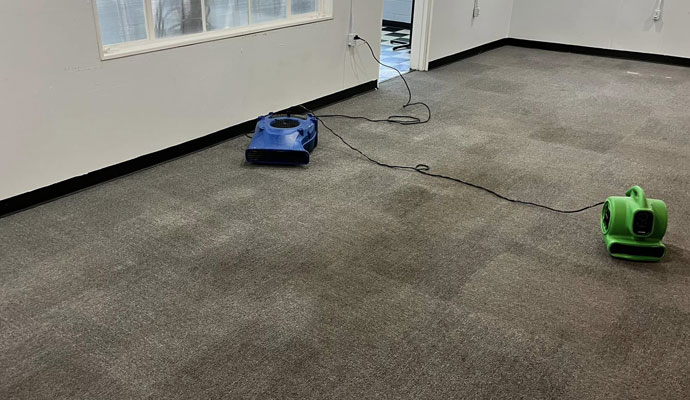
- Placement of air movers to increase airflow
- Use of dehumidifiers to remove moisture from the air
- Monitoring moisture levels until materials reach safe levels
Companies such as Palm Bay Mold Removal regularly perform these services throughout Melbourne, Viera, and Merritt Island, particularly after storms and plumbing failures.
Drying and Structural Protection
In older homes, structural drying is especially important because wood framing and older flooring systems can absorb significant amounts of water.
Proper drying helps prevent:
- Swelling and warping of wood
- Separation of flooring materials
- Cracking or weakening of drywall
- Long-term structural damage
Moisture monitoring ensures that materials are truly dry, not just dry on the surface.
Flood Restoration and Water Damage Repair
Emergency water removal is often the first step in a larger restoration process. Once the area is dry, repairs may be necessary.
Common restoration steps include:
- Replacing damaged drywall or insulation
- Repairing flooring or subfloors
- Sealing or repainting affected surfaces
- Inspecting and repairing plumbing or roofing issues
Addressing the cause of the water intrusion is essential to prevent repeat damage.
Air Ducts and HVAC Systems After Water Damage
In many Melbourne homes, air ducts and HVAC systems are located in attics or crawl spaces where moisture can accumulate. After flooding or leaks, these areas should be inspected.
Potential concerns include:
- Damp duct insulation
- Reduced airflow
- Musty odors when the AC operates
- Increased humidity indoors
Air duct cleaning or maintenance may be recommended when contamination or moisture buildup is confirmed.
Preventing Future Water Damage in Older Homes
While not every emergency can be avoided, regular maintenance helps reduce the risk of serious problems.
Practical prevention steps include:
- Inspecting plumbing and supply lines periodically
- Checking roofs and flashing after storms
- Cleaning gutters and downspouts
- Monitoring attic and crawl space ventilation
- Addressing small leaks immediately
Routine inspections in coastal communities like Satellite Beach and Cocoa Beach often identify small issues before they lead to significant water damage.
Why Local Experience Matters
Water damage in Florida homes behaves differently than in cooler climates. High humidity slows drying, and moisture spreads more easily through porous materials.
Local professionals understand:
- Construction methods common in Brevard County
- Typical moisture patterns in older homes
- Effective drying techniques for humid conditions
- Areas where hidden moisture is most likely to remain
Palm Bay Mold Removal has experience working in Melbourne and surrounding areas, helping property owners address both immediate water damage and long-term prevention.
A Practical Approach to Protecting Your Home
Water intrusion can be stressful, especially in older homes where materials may be more vulnerable. The most effective approach is to respond quickly, remove water thoroughly, and ensure all affected areas are properly dried.
Early action often prevents structural damage, reduces repair costs, and helps maintain a comfortable indoor environment. For homeowners in Melbourne, understanding the value of emergency water removal is one of the best ways to protect a property from long-term moisture problems.