Mold Remediation Services in Merritt Island from AC Condensation: Costs, Causes, and Solutions
In Merritt Island, air conditioning is essential for comfort due to high heat and humidity, but it can also create hidden moisture problems that lead to mold growth. AC condensation, if unchecked, often accumulates in ducts, air handlers, or around indoor units, providing ideal conditions for mold development. For homeowners, landlords, and property managers, understanding the causes, costs, and professional solutions for mold remediation is crucial to maintaining a safe, healthy home.
Building on lessons from Satellite Beach mold inspection in rental properties, this guide provides a comprehensive overview of AC condensation-related mold in Merritt Island, including early signs, inspection techniques, remediation processes, costs, and preventive strategies.
Why AC Condensation Leads to Mold in Merritt Island
Air conditioning systems remove heat and humidity from indoor air, but they also produce condensation as a byproduct. Several factors contribute to mold growth:
- Clogged condensate drains: Blocked lines can allow water to accumulate near air handlers or inside walls.
- Dirty coils: Evaporator coils with dust or biofilm provide moisture-rich surfaces for mold spores.
- Poor insulation: Cold air ducts without proper insulation can sweat, creating condensation on duct surfaces.
- Leaky HVAC components: Minor leaks can introduce moisture into ceilings, walls, or subfloor areas.
- Inadequate airflow: Restricted vents or dirty filters prevent proper circulation, trapping humidity near AC components.
Even small amounts of persistent moisture can lead to widespread mold colonization if not addressed promptly.
Common Warning Signs of AC-Related Mold
Homeowners should be alert for early signs of mold caused by AC condensation:
- Musty or damp odors near vents or AC units
- Visible mold growth around ductwork, registers, or air handlers
- Water dripping or pooling near HVAC units
- Condensation forming on walls, ceilings, or ducts
- Increased allergy symptoms, coughing, or sneezing among occupants
- Reduced airflow or unusual HVAC performance
Recognizing these indicators allows for timely inspection and remediation before mold spreads.
Step 1: Professional Mold Inspection
Professional mold inspection identifies both visible and hidden contamination. Experts in Merritt Island follow a systematic approach:
Visual Assessment
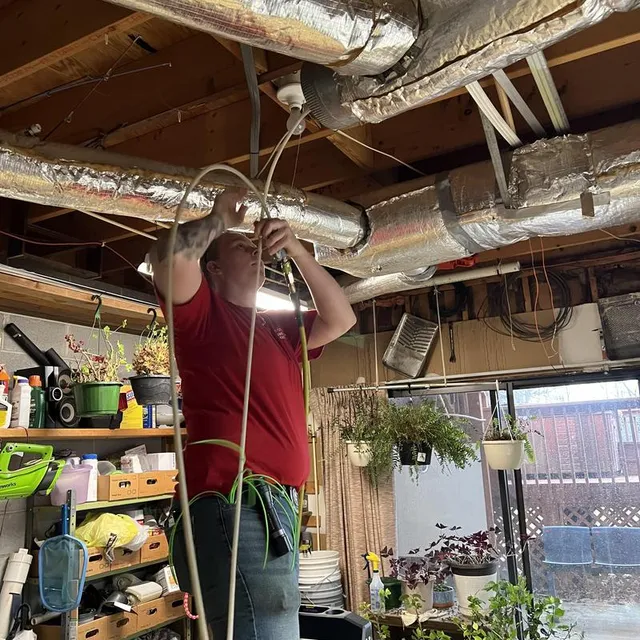
Inspectors examine air handlers, ducts, vents, condensate lines, and surrounding walls for signs of moisture or mold.
Moisture Detection
Pinless moisture meters, hygrometers, and thermal imaging detect hidden dampness in ceilings, walls, and insulation.
Air and Surface Sampling
Air tests and surface swabs determine spore concentrations and mold species, guiding appropriate remediation strategies.
Documentation
Detailed inspection reports include affected areas, contamination levels, and recommended remediation actions, supporting both repair planning and insurance claims.
Step 2: Containment and Safety Measures
During remediation, containment prevents mold spores from spreading to unaffected areas:
- Seal off affected rooms with plastic sheeting
- Turn off HVAC systems to stop spore circulation
- Use negative air pressure for large infestations
- Equip technicians with gloves, masks, and protective clothing
- Move or cover furniture and valuables in nearby spaces
Proper containment ensures safe and effective mold removal.
Step 3: Mold Remediation Process
Professional mold remediation involves multiple steps to ensure complete removal and prevent recurrence:
Cleaning HVAC Components
Evaporator coils, drip pans, and ducts are cleaned using specialized antimicrobial solutions to remove mold and biofilm.
Air Duct Cleaning
Vacuuming and mechanical agitation remove spores and dust from ductwork, preventing airborne contamination.
Removal of Contaminated Materials
Porous materials such as insulation, drywall, or ceiling tiles with heavy mold infestation may require removal and replacement.
Drying and Dehumidification
Industrial air movers and dehumidifiers thoroughly dry ducts, walls, and surrounding structures, eliminating residual moisture.
Repairs and Restoration
Structural repairs, including replacing drywall, insulation, or duct insulation, restore the home to safe, habitable conditions.
Hidden Areas of Concern
AC-related mold often develops in concealed locations:
- Inside ductwork and air handling units
- Behind walls or ceiling panels adjacent to AC units
- Around condensate lines, drip pans, and insulation
- Subflooring beneath AC units or vents
Specialized tools like infrared cameras and moisture meters are essential to detect and remediate mold in these hidden areas.
Health Implications of AC Mold
Mold exposure from HVAC systems can significantly affect occupant health:
- Triggering allergies, sneezing, and itchy eyes
- Causing respiratory irritation, coughing, or asthma attacks
- Musty odors reducing indoor comfort and air quality
- Prolonged exposure aggravating chronic respiratory conditions
Professional remediation ensures HVAC systems do not become a source of airborne contaminants, protecting both health and comfort.
Costs of Mold Remediation from AC Condensation
Costs depend on several factors:
- Extent of contamination: Minor infestations cost less, while extensive mold in ductwork and walls is more expensive.
- Type of mold: Certain species require specialized handling.
- Materials affected: Ducts, drywall, and insulation repairs add to overall costs.
- Accessibility: Hard-to-reach areas or multi-story homes increase labor and equipment requirements.
Average costs for AC-related mold remediation range from $500–$3,000 for minor infestations, with larger, more complex cases exceeding $5,000. Investing in professional services early can prevent higher long-term expenses.
Preventive Measures for Homeowners
Preventing mold from AC condensation in Merritt Island requires proactive maintenance:
- Regular HVAC maintenance: Clean coils, drip pans, and ducts; replace filters every 1–3 months.
- Inspect and clear condensate lines: Ensure proper drainage and slope to avoid backups.
- Humidity control: Use dehumidifiers to maintain indoor humidity below 50%.
- Improve airflow: Keep vents unobstructed and maintain proper fan operation.
- Seasonal inspections: Check AC systems and ducts before and during the rainy season.
- Prompt leak repairs: Address water intrusion from AC units or surrounding structures immediately.
Implementing these measures minimizes mold risk, preserves indoor air quality, and extends the lifespan of HVAC systems.
Why Local Expertise Matters
Merritt Island’s coastal environment, high humidity, and storm patterns create unique challenges for mold management. Local professionals understand:
- Florida’s seasonal rainfall and humidity patterns
- Common construction materials and HVAC designs in area homes
- Effective mold detection, removal, and drying techniques
- Preventive strategies tailored to local climate conditions
Companies like Palm Bay Mold Removal provide targeted mold remediation services using advanced equipment and local knowledge to safeguard Merritt Island homes.
Practical Steps for Homeowners
- Monitor homes for musty odors, water leaks, or visible mold near AC units.
- Schedule a professional inspection to identify hidden contamination.
- Contain affected areas to prevent spore spread.
- Clean and disinfect HVAC components and ducts.
- Remove or replace contaminated materials such as insulation or drywall.
- Dry all affected areas thoroughly with air movers and dehumidifiers.
- Repair HVAC leaks, duct insulation, and surrounding structures.
- Implement preventive measures including seasonal maintenance, humidity monitoring, and tenant education.
Following these steps ensures a safe, healthy, and mold-free home environment year-round.
Final Thoughts
AC condensation is a hidden yet significant source of mold in Merritt Island homes. Professional mold inspection and remediation address both visible and hidden contamination, protecting indoor air quality, structural integrity, and occupant health.
Building on lessons from Satellite Beach mold inspections in rental properties, homeowners can see the value of early detection, local expertise, and preventive maintenance. By investing in professional services and ongoing AC care, Merritt Island residents can maintain clean, safe, and comfortable homes even during Florida’s humid and stormy months.