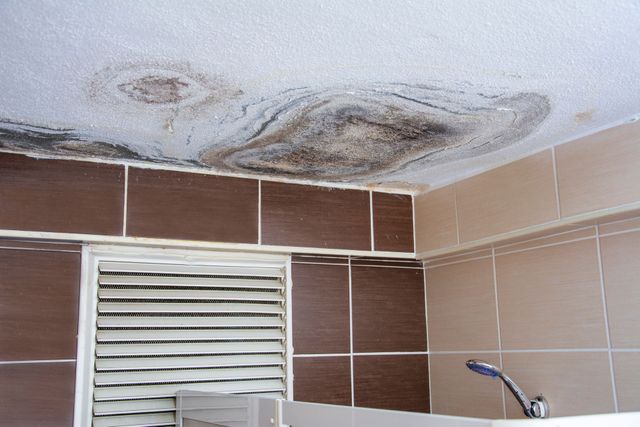
Melbourne Black Mold Removal after Roof Leaks: Warning Signs and Prevention
Roof leaks are one of the most common causes of black mold problems in Melbourne homes. What often starts as a small drip or a minor ceiling stain can quietly turn into a moisture issue inside insulation, drywall, and attic spaces. Because Florida’s humidity slows drying and encourages microbial growth, even short-term water intrusion can create conditions where mold develops quickly.
Understanding the warning signs and knowing how proper mold removal and prevention work can help property owners avoid long-term structural damage and repeated repairs.
What Black Mold After a Roof Leak Really Means
When a roof leak occurs, water rarely stays in one place. It often travels along rafters, insulation, and ceiling materials before becoming visible. By the time stains appear, moisture may already be present in hidden areas.
Black mold commonly forms in:
- Attic insulation and roof decking
- Ceiling drywall and joints
- Areas around vents or light fixtures
- Inside wall cavities below the leak
- Around AC ducts running through attic spaces
In homes throughout Melbourne and nearby areas like West Melbourne and Rockledge, technicians frequently find mold growth several feet away from the original leak location because water follows structural pathways.
Why Roof Leak Mold Happens So Often in Melbourne
Melbourne’s climate creates ideal conditions for mold growth when moisture is introduced.
Several local factors increase risk:
- Heavy seasonal rainstorms
- High humidity that prevents materials from drying quickly
- Heat that accelerates microbial growth
- Aging roofing materials in older neighborhoods
- Wind-driven rain entering small roof gaps
Homes near coastal areas such as Satellite Beach and Cocoa Beach may also experience faster deterioration of flashing and roofing components due to salt air exposure.
Even newer homes are not immune. Improper ventilation or small construction gaps can allow moisture to linger after a leak.
Warning Signs Property Owners Should Not Ignore
One of the biggest challenges with black mold is that it often develops quietly. The earliest warning signs are usually subtle.
Common indicators include:
- Musty or earthy odors, especially in upper rooms
- Small dark spots near ceiling seams or vents
- Peeling paint or bubbling drywall
- Persistent humidity or damp air indoors
- Ceiling stains that grow over time
These signs often appear days or weeks after a storm or roof leak, when mold has already begun forming.
Hidden Areas Where Mold Often Develops
Visible mold is only part of the problem. Roof leaks frequently create hidden moisture pockets.
Common overlooked areas include:
- The back side of drywall panels
- Attic insulation and wooden rafters
- Behind crown molding or trim
- Inside return air ducts
- Beneath flooring in multi-story homes
Professional inspections in Melbourne and Viera often reveal mold growth that homeowners never suspected because it was concealed behind building materials.
Why DIY Mold Removal Often Fails
It’s tempting to clean visible mold with household products, but this rarely solves the real issue.
DIY methods often fail because:
- The moisture source hasn’t been corrected
- Mold roots remain inside porous materials
- Hidden mold colonies are missed
- Cleaning spreads spores without proper containment
Surface cleaning may remove discoloration temporarily, but mold frequently returns if moisture remains in drywall or insulation.
How Professional Mold Inspection and Testing Works
Proper mold removal begins with identifying the full extent of the problem.
A professional inspection usually includes:
- Moisture readings in ceilings and walls
- Attic inspection for wet insulation or wood
- Thermal imaging to locate hidden damp areas
- Evaluation of ventilation and airflow
- Targeted testing when needed to confirm contamination
Companies such as Palm Bay Mold Removal often perform these inspections throughout Melbourne, Merritt Island, and Titusville, especially after storms or roof repairs.
The Mold Removal and Remediation Process
Once moisture sources are corrected, the removal process begins.
Typical steps include:
- Containment of affected areas to prevent spread
- Removal of contaminated drywall or insulation when necessary
- Cleaning of structural surfaces using appropriate methods
- HEPA filtration to remove airborne particles
- Controlled drying of affected materials
This step-by-step process ensures mold is removed safely and thoroughly rather than simply masked.
Roof Leak Repairs and Water Damage Restoration
Mold removal is only effective when the roof leak itself is addressed. Flood restoration or water damage repair may also be needed if water traveled beyond the attic.
Restoration work may include:
- Drying ceiling cavities
- Replacing damaged insulation
- Repairing warped wood or drywall
- Monitoring moisture levels until normal
In Florida homes, proper drying is critical because humidity slows evaporation.
Air Ducts, AC Systems, and Mold After Roof Leaks
In many Melbourne homes, air ducts run through attic spaces. When roof leaks occur, ducts can become damp, allowing mold to develop or spread through airflow.
Problems may include:
- Musty odors when the AC operates
- Reduced air quality
- Moisture inside duct insulation
- Increased indoor humidity
Air duct inspection and cleaning may be recommended when contamination is confirmed.
Prevention: How to Reduce the Risk of Black Mold
While storms and roof wear are unavoidable, several practical steps reduce the likelihood of mold growth.
Helpful prevention tips:
- Inspect roofs annually
- Repair damaged shingles or flashing promptly
- Check attics after heavy storms
- Maintain proper attic ventilation
- Monitor ceilings for stains or odors
Routine inspections in Palm Bay and surrounding Brevard County communities often detect small leaks before they lead to mold problems.
Why Local Experience Matters in Mold Removal
Mold behaves differently in Florida’s humid environment than in cooler climates. Drying times are longer, and moisture spreads more easily through porous materials.
Local professionals understand:
- Typical roof leak patterns in Brevard County homes
- How humidity affects mold growth
- Common ventilation and insulation issues
- Effective drying methods in coastal climates
Palm Bay Mold Removal has experience working with these conditions throughout Melbourne, Rockledge, and nearby areas, helping property owners address both mold and the underlying moisture causes.
A Practical, Calm Approach to Protecting Your Property
Discovering mold after a roof leak can be stressful, but early action makes a major difference. Paying attention to warning signs—musty odors, ceiling stains, or damp attic insulation—helps prevent larger structural problems later.
A careful inspection, proper drying, and thorough remediation are the most reliable ways to protect a home from recurring mold issues. With regular maintenance and prompt repairs, property owners in Melbourne can keep their homes dry, safe, and comfortable despite Florida’s challenging climate.