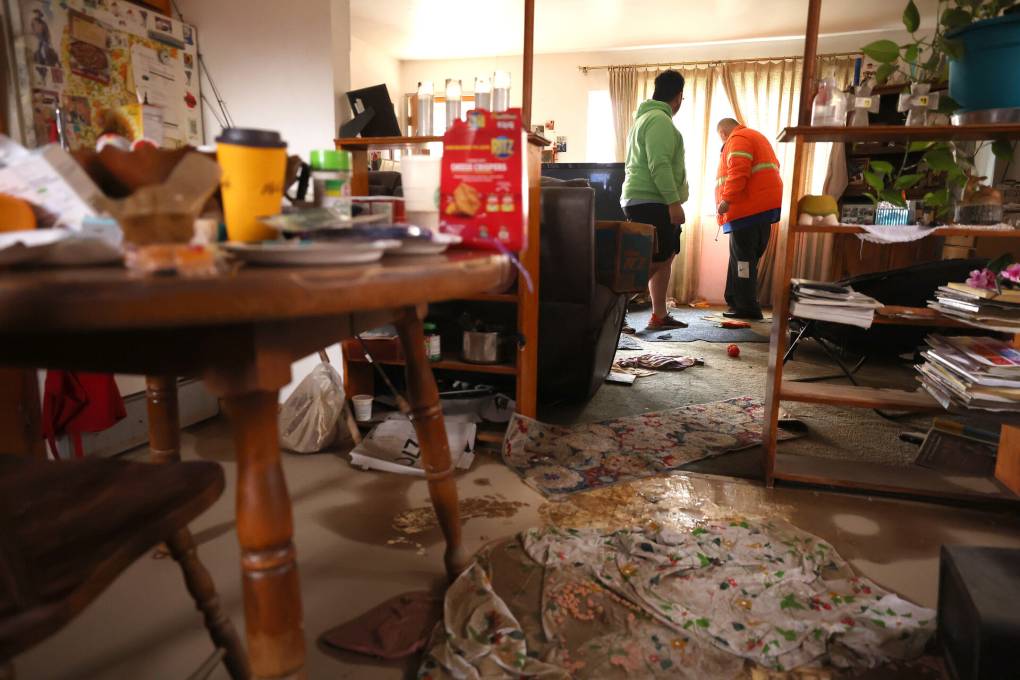
Flood Restoration in Titusville After Flooding: Professional Tips for Property Owners
Flooding can happen quickly in Titusville, whether it’s caused by heavy storms, overflowing drainage systems, plumbing failures, or roof leaks that spread into living spaces. For property owners, the most important thing to understand is that flood damage doesn’t stop when the visible water is gone. Moisture continues to affect flooring, walls, and structural materials long after the initial event.
Flood restoration is not just cleanup—it’s a careful process that protects the structure of the home and helps prevent long-term damage.
What Flood Damage Really Means Inside a Home
When water enters a home, it spreads in ways that aren’t always obvious. Carpets and flooring absorb moisture, but water also moves into:
- Drywall and insulation
- Baseboards and framing
- Subfloors and structural wood
- Cabinets and built-in fixtures
In many homes across Titusville and nearby communities like Viera and Rockledge, moisture travels beneath flooring and behind walls before it becomes visible. This is why professional inspections focus on identifying both visible and hidden moisture.
Why Flooding Happens So Often in Titusville
Titusville’s location and climate make flooding more common than many homeowners expect.
Several local factors contribute:
- Heavy seasonal rainfall
- Sudden summer storms
- High humidity slowing the drying process
- Older drainage systems in established neighborhoods
- Roof leaks and clogged gutters
Homes in coastal and low-lying areas, including parts of Cocoa Beach and Merritt Island, can also experience stormwater intrusion when heavy rain falls in a short period.
Older homes are particularly vulnerable because building materials may be more porous, and ventilation systems may not remove moisture as efficiently.
Early Signs Property Owners Should Watch For
Flood damage doesn’t always look dramatic at first. In many cases, the earliest signs are subtle.
Common warning signs include:
- Musty or damp odors
- Warping or swelling baseboards
- Discoloration on walls or ceilings
- Flooring that feels soft or uneven
- Persistent indoor humidity
These indicators often appear days after flooding, especially when moisture is trapped in hidden areas.
Hidden Damage That Often Goes Unnoticed
One of the biggest risks after flooding is moisture that remains out of sight.
Hidden problem areas often include:
- Insulation in walls and attics
- Subflooring beneath tile or carpet
- Interior framing
- Air ducts running through crawl spaces or attics
Without proper moisture detection, these areas may remain damp for weeks, increasing the likelihood of mold growth or structural weakening.
Why DIY Flood Cleanup Is Often Not Enough
Many property owners try to dry affected areas using household fans or portable equipment. While this can help remove surface moisture, it usually doesn’t reach deeper materials.
DIY methods often miss:
- Moisture trapped beneath flooring
- Damp insulation behind drywall
- Hidden water in cabinets or structural cavities
Professional drying equipment creates controlled airflow and removes moisture from both the air and building materials, which significantly improves drying results.
How Professional Flood Restoration Works
Flood restoration is a structured process designed to return materials to safe moisture levels.
Typical steps include:
- Water extraction using high-capacity pumps or vacuums
- Moisture detection using specialized meters
- Placement of air movers to circulate dry air
- Use of dehumidifiers to remove moisture from the environment
- Monitoring moisture levels over several days
Technicians also inspect surrounding areas to ensure moisture has not spread beyond the obvious damage.
Companies such as Palm Bay Mold Removal frequently perform these services throughout Titusville, Melbourne, and Satellite Beach, particularly after severe storms.
Structural Drying and Water Damage Repair
Flooding can affect more than surface materials. Structural components may absorb water and weaken over time if not properly dried.
Common structural concerns include:
- Wood framing swelling or warping
- Adhesives beneath flooring breaking down
- Insulation losing effectiveness
- Ceiling materials deteriorating
Proper drying helps prevent these issues and extends the life of the home’s structural components.
Air Ducts, AC Systems, and Flooding
In many Florida homes, ductwork and air conditioning components are located in areas vulnerable to moisture.
Flooding can lead to:
- Damp insulation around ducts
- Musty odors when the AC operates
- Increased indoor humidity
- Reduced efficiency of cooling systems
Inspecting ductwork and ventilation systems after flooding helps maintain indoor comfort and air quality.
Preventing Future Flood Damage
While not every flood event can be prevented, property owners can reduce risk with routine maintenance and inspections.
Practical prevention steps include:
- Cleaning gutters and drainage systems regularly
- Checking roofs and flashing for leaks
- Inspecting plumbing for slow leaks
- Ensuring proper grading around foundations
- Monitoring attics and crawl spaces for moisture
Regular inspections are especially helpful in areas like West Melbourne and Palm Bay, where seasonal storms can place repeated stress on building materials.
Why Local Experience Matters in Flood Restoration
Flood damage behaves differently in Florida than in cooler or drier climates. High humidity slows evaporation, and moisture can linger in materials longer than expected.
Local professionals understand:
- Common construction styles in Brevard County
- How humidity affects drying times
- Typical leak paths in slab-foundation homes
- Ventilation challenges in coastal environments
This local knowledge helps ensure restoration work addresses both immediate damage and long-term prevention.
A Practical Approach to Protecting Your Property
Flooding is stressful, but taking a calm and methodical approach makes a significant difference. Early moisture detection, proper drying, and careful inspection help prevent more serious structural problems later.
Property owners in Titusville often find that addressing water damage quickly keeps repair costs lower and protects the long-term condition of their homes. Paying attention to early warning signs and responding promptly is one of the most effective ways to prevent long-term damage in Florida’s challenging climate.