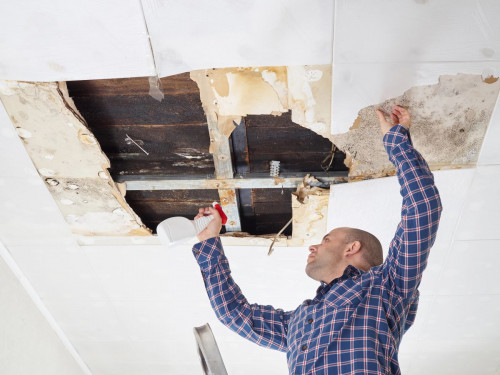
Inspection and Repair Guide: Flood Restoration in Titusville During Rainy Season
Titusville, Florida, is no stranger to heavy rains, hurricanes, and the high humidity that comes with the rainy season. Flooding in homes and commercial buildings can cause extensive damage to structural materials, flooring, and HVAC systems while creating conditions for mold growth. Timely flood restoration is essential for maintaining property value, indoor air quality, and the health and safety of occupants.
Building on lessons from Palm Bay commercial carpet cleaning after flooding, this guide offers a step-by-step overview of flood restoration in Titusville. It covers inspection, damage assessment, repair strategies, and preventive measures specifically tailored to the region’s climate and construction characteristics.
Understanding Flood Damage in Titusville
Flood damage in Titusville homes and commercial properties results from several factors:
- Heavy rains and hurricanes: Rapid accumulation of water in low-lying areas can enter basements, ground floors, and crawl spaces.
- Poor drainage: Inadequate gutters, downspouts, or grading around the property increases water intrusion.
- Plumbing failures: Leaks or broken pipes can contribute to localized flooding indoors.
- HVAC and AC condensation: High humidity and condensation can exacerbate water damage during heavy rain events.
Even small amounts of water can seep into walls, flooring, and insulation, leading to structural deterioration, microbial growth, and compromised indoor air quality.
Signs That Flood Restoration Is Needed
Homeowners and property managers should watch for these indicators after heavy rain or flooding:
- Standing or pooled water on floors or in basements
- Water stains on walls, ceilings, and floors
- Musty odors or visible mold growth
- Warping or softening of wood, laminate, or carpet
- Reduced efficiency or malfunction of HVAC systems
- Increased allergy or respiratory symptoms among occupants
Early identification allows for prompt professional intervention and reduces the risk of long-term damage.
Step 1: Professional Flood Inspection
A thorough inspection is critical before any restoration work begins:
Visual Assessment
Technicians examine floors, walls, ceilings, and structural components for signs of water intrusion and visible damage.
Moisture Detection
Moisture meters, hygrometers, and infrared cameras detect hidden water in subfloors, wall cavities, and insulation.
HVAC and Duct Assessment
Air handlers, ductwork, and vents are inspected for water infiltration and potential mold growth.
Documentation
Technicians document the extent of water damage, affected materials, and safety concerns to guide restoration planning and support insurance claims.
Step 2: Safety and Containment
Flood restoration involves potential hazards, requiring safety precautions:
- Turn off electricity to affected areas to prevent electrical shock
- Seal off flooded areas to contain contaminants and prevent cross-contamination
- Use personal protective equipment (PPE), including gloves, masks, and protective clothing
- Remove or protect furniture, equipment, and valuables near flooded zones
Containment ensures a safe and controlled restoration environment.
Step 3: Water Extraction
The first stage of active restoration involves removing standing water:
- Industrial pumps and wet vacuums remove large volumes of water efficiently
- Subfloor drying addresses water trapped under flooring materials
- Multiple passes in heavily saturated areas ensure all moisture is extracted
Immediate water extraction reduces damage to structural materials and prevents mold growth.
Step 4: Drying and Dehumidification
After water removal, thorough drying is essential to prevent microbial growth and further damage:
- Air movers increase airflow across wet surfaces
- Industrial dehumidifiers lower indoor humidity levels to safe ranges
- Moisture monitoring ensures walls, floors, ceilings, and subfloors are completely dry
Effective drying prevents hidden moisture from causing long-term structural or health issues.
Step 5: Cleaning and Sanitization
Floodwaters often carry contaminants that require professional cleaning:
- Disinfecting surfaces: Antimicrobial solutions kill bacteria, mold, and mildew.
- Carpet and flooring cleaning: Professional extraction and treatment restore carpets and remove trapped debris.
- Wall and structural cleaning: Porous materials like drywall may need sanitization or replacement.
- HVAC duct and vent cleaning: Prevents spores and debris from circulating indoors.
Sanitization is essential for both safety and indoor air quality.
Step 6: Repairs and Restoration
Once water is removed and surfaces dried, structural repairs ensure the property is safe and habitable:
- Replace damaged drywall, flooring, or insulation
- Repair or replace water-damaged subfloors, baseboards, and cabinets
- Seal leaks in HVAC systems, plumbing, or roofing to prevent recurrence
- Repaint or refinish surfaces affected by water staining or warping
Comprehensive restoration restores the property’s value and ensures long-term protection.
Hidden Areas of Concern
Floodwater can penetrate areas that are not immediately visible:
- Under carpets, padding, or laminate flooring
- Crawl spaces, attics, and wall cavities
- HVAC ductwork, drip pans, and air handling units
- Behind cabinets, counters, and built-in furniture
Professional tools such as infrared cameras and moisture meters are essential for identifying and remediating hidden water damage.
Preventive Measures for Property Owners
Property owners in Titusville can reduce flood risks and related damage with these strategies:
- Maintain gutters, downspouts, and drainage systems to prevent water accumulation
- Seal windows, doors, and foundation cracks to prevent water intrusion
- Inspect HVAC systems, air ducts, and condensate lines regularly
- Install sump pumps or backup drainage solutions in basements or low-lying areas
- Conduct seasonal inspections, particularly before and during the rainy season
- Schedule routine professional flood inspections and maintenance
Preventive care protects both the property and the health of occupants.
Health Implications of Flood Damage
Neglecting flood restoration can have serious health consequences:
- Mold growth can trigger allergies, asthma, and respiratory irritation
- Bacteria and pathogens carried by floodwater can contaminate surfaces and indoor air
- Musty odors reduce indoor comfort and signal microbial activity
Professional flood restoration ensures both structural safety and a healthy living or working environment.
Why Local Expertise Matters
Titusville homes share climate and construction features with nearby communities such as Cocoa Beach, Merritt Island, and West Melbourne. Local professionals understand:
- Seasonal rainfall patterns and flood-prone areas
- Common building materials and ventilation challenges in Florida homes
- Effective flood restoration, drying, and mold prevention techniques
- Preventive measures tailored to the local climate and property types
Companies like Palm Bay Mold Removal provide comprehensive flood restoration services, combining local expertise with advanced equipment to restore homes efficiently.
Practical Steps for Homeowners
- Inspect the property immediately after heavy rain or flooding for visible and hidden water damage.
- Schedule a professional flood inspection to assess moisture levels and contamination.
- Extract standing water using industrial pumps and wet vacuums.
- Dry all affected areas thoroughly with air movers and dehumidifiers.
- Clean and sanitize surfaces to eliminate mold, bacteria, and odor.
- Repair damaged structural materials, including flooring, drywall, and insulation.
- Address HVAC systems and vents to prevent microbial growth.
- Implement preventive measures such as drainage maintenance, seasonal inspections, and humidity monitoring.
Following these steps ensures homes are safe, healthy, and structurally sound during Titusville’s rainy season.
Final Thoughts
Flood restoration in Titusville is critical during the rainy season to protect homes from structural damage, mold growth, and compromised indoor air quality. Early inspection, professional water extraction, drying, cleaning, and repair are essential to restore properties safely.
Building on lessons from Palm Bay commercial carpet cleaning after flooding, homeowners and property managers can appreciate the importance of local expertise and proactive maintenance. By investing in professional flood restoration and preventive strategies, Titusville residents can safeguard their homes, protect occupant health, and maintain property value year-round.