Viera Water Leak Detection after Roof Leaks: Professional Tips for Property Owners
Roof leaks are one of the most common issues property owners in Viera face, especially after heavy rains and seasonal storms. Many homeowners assume that once the visible dripping stops, the problem is solved. In reality, water often continues to travel behind walls, under flooring, and through insulation long after the storm passes.
Understanding how water leak detection works—and why it matters—can help prevent expensive structural damage and long-term moisture problems.
What a Roof Leak Really Means Inside a Home
A roof leak rarely stays in one place. Water typically enters through a small opening, then moves along beams, drywall, or insulation before becoming visible.
By the time stains appear on ceilings or walls, moisture may already be spreading through hidden areas. This is why professional leak detection focuses on locating moisture paths, not just the visible damage.
In homes across Viera and nearby communities like Melbourne and Rockledge, leaks often travel into attics, wall cavities, and air duct systems before being noticed.
Why Roof Leaks Happen So Often in Viera and Palm Bay
Florida’s climate plays a major role in roof damage and water intrusion.
Several local conditions increase the risk:
- Heavy seasonal rains
- High humidity that weakens materials over time
- Wind-driven rain entering small gaps
- Aging roofing materials exposed to heat
- Sudden storms that loosen flashing and shingles
Even newer homes in Viera and West Melbourne can experience leaks if drainage systems clog or flashing around vents and skylights deteriorates.
Homes near Satellite Beach and Cocoa Beach also experience salt air exposure, which accelerates wear on metal roofing components.
Common Signs Property Owners Notice First
Roof leaks rarely begin with dramatic dripping. More often, the signs are subtle at first.
Property owners frequently notice:
- Light ceiling stains or discoloration
- Musty or damp odors
- Peeling paint or bubbling drywall
- Slight warping in baseboards or flooring
- Higher indoor humidity levels
These warning signs often appear days or weeks after the original leak occurred.
Hidden or Overlooked Sources of Moisture
Many leaks continue unnoticed because water spreads to unexpected areas.
Common hidden moisture locations include:
- Attic insulation and roof decking
- Wall cavities behind drywall
- Air ducts running through attics
- Carpet padding and subfloors
- Areas around windows or soffits
Professional inspections in Palm Bay and Viera frequently uncover moisture far from the original roof entry point.
Why DIY Leak Detection Usually Falls Short
It’s natural for homeowners to check their attic or roof after a leak, but identifying the true extent of moisture is difficult without specialized tools.
DIY inspections often miss:
- Moisture trapped under flooring
- Damp insulation inside walls
- Water behind cabinets or trim
- Small but active leaks in roof penetrations
Surface drying alone doesn’t solve these issues. Moisture left behind can lead to mold growth, wood deterioration, and recurring odors.
How Professional Leak Detection Works
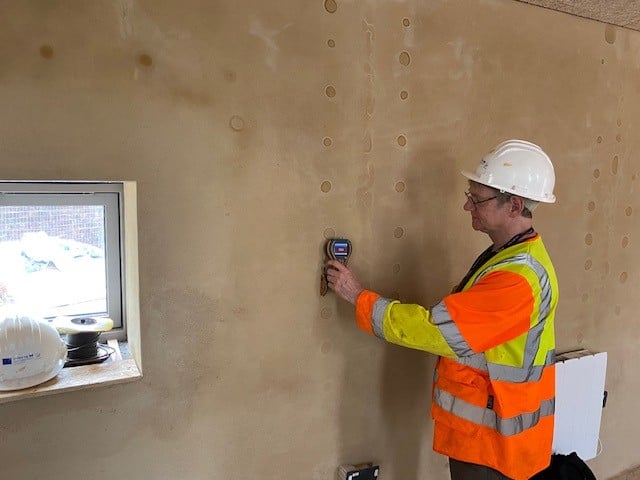
Professional leak detection focuses on identifying both visible and hidden moisture.
Technicians typically use:
- Moisture meters to measure water content in materials
- Thermal imaging to locate damp areas
- Inspection of attic spaces and ventilation paths
- Evaluation of roofing and flashing areas
- Airflow and humidity assessment
This approach helps determine how far water has spread and what materials require drying or repair.
Companies such as Palm Bay Mold Removal often perform these inspections throughout Viera, Merritt Island, and Titusville, especially after major storms.
Proper Drying and Water Damage Repair
Once moisture is located, the next step is controlled drying.
This process may involve:
- Air movers to circulate dry air
- Dehumidifiers to remove moisture from the air
- Removal of saturated materials if necessary
- Monitoring moisture levels until drying is complete
Proper drying prevents structural weakening and reduces the chance of mold developing in hidden areas.
Flood Restoration and Secondary Damage
Even a small roof leak can create conditions similar to minor flooding if water spreads into insulation or flooring.
Secondary damage may include:
- Warped wood framing
- Ceiling collapse in severe cases
- Mold growth in humid environments
- Persistent odors caused by trapped moisture
Addressing these issues early is much easier than repairing extensive damage months later.
Air Ducts, AC Systems, and Roof Leaks
In many Florida homes, ductwork runs through the attic. When a roof leak occurs, ducts can absorb moisture or develop condensation problems.
This can lead to:
- Reduced air quality
- Musty smells when the AC runs
- Mold growth inside ducts
- Higher indoor humidity
Inspecting ducts and HVAC components is an important part of leak detection in Palm Bay and Viera homes.
How to Prevent Roof Leak Problems in Florida Homes
While storms can’t be avoided, several preventive steps reduce the risk of serious damage.
Helpful measures include:
- Inspecting roofs annually
- Cleaning gutters and downspouts
- Checking attic ventilation
- Sealing flashing around vents and skylights
- Monitoring ceilings for stains after storms
Regular inspections help identify small problems before they become major repairs.
Why Local Experience Matters
Homes in Brevard County face unique environmental challenges. Heat, humidity, and storms create conditions very different from inland regions.
Local professionals understand:
- How moisture behaves in Florida structures
- Common leak paths in slab-foundation homes
- Roofing materials commonly used in Palm Bay and Viera
- Ventilation challenges in coastal climates
This local knowledge helps inspections focus on the areas most likely to hide moisture.
A Practical, Calm Approach to Protecting Your Property
Roof leaks are stressful, but they don’t have to become major disasters. Early detection, proper drying, and careful inspection are the most effective ways to protect a home.
If a ceiling stain appears or a musty odor develops after a storm, it’s wise to investigate sooner rather than later. Many property owners in Palm Bay and Viera find that early leak detection prevents costly structural repairs and long-term moisture issues.
A careful, methodical inspection approach—combined with proper drying and maintenance—keeps homes safer, healthier, and more resilient in Florida’s demanding climate.